
The freight forwarding industry brings in between ₦2 trillion and ₦3 trillion every year, a figure that shows its capacity to help Nigeria reach its $1 trillion economy target by 2030, according to the Council for the Regulation of Freight Forwarding in Nigeria.
The Registrar and Chief Executive Officer of the council, Mr Kingsley Igwe, made this known in Lagos at the council’s nationwide staff capacity-building programme.
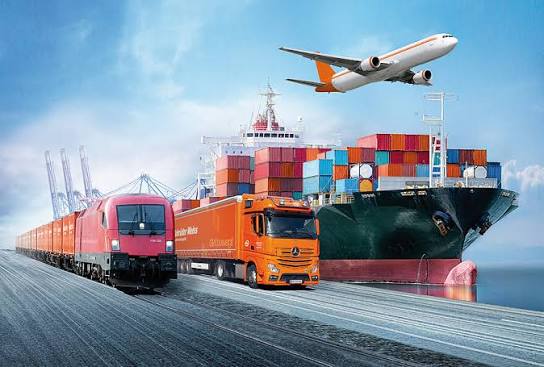
Igwe stated that freight forwarding remains central to international trade.
He noted that sea transport carries about 90 per cent of cargo moved around the world.
He said, “Freight forwarding is critical to the movement of cargo from exporting countries to importers. The industry plays a vital role through professional handling, documentation and compliance with international trade regulations.”
According to him, the sector’s estimated yearly contribution of between ₦2 trillion and ₦3 trillion makes it an important driver of Nigeria’s economic growth and of the Federal Government’s plan to build a $1 trillion economy by 2030.
Igwe revealed that nearly 10,000 freight forwarders are currently registered with the CRFFN.
He added that more than 1,000 applications are being processed under the council’s new licensing scheme.
Speaking on the council’s targets, Igwe said, “We are targeting between 20,000 and 25,000 corporate entities and over 40,000 individual practitioners to be certified within the next five years. The licensing exercise is also projected to generate over N30 billion annually.”
Responding to complaints about multiple charges at Nigerian ports, the CRFFN boss said the council had released a circular banning illegal charges on cargo coming into or going out of the country.
He warned, “Anybody collecting unauthorised charges at port terminals or along the roads will face sanctions. Only payments that are statutorily approved are permitted.”
Igwe said the licensing programme would help the council identify operators who are not registered.
He added that it would also improve accountability and strengthen compliance with regulations across the freight forwarding industry.
He explained that the staff capacity-building programme was designed to make the council more effective as a regulator.
The training, which began in Lagos, will also be held in Port Harcourt, Abuja and Kano, he said.