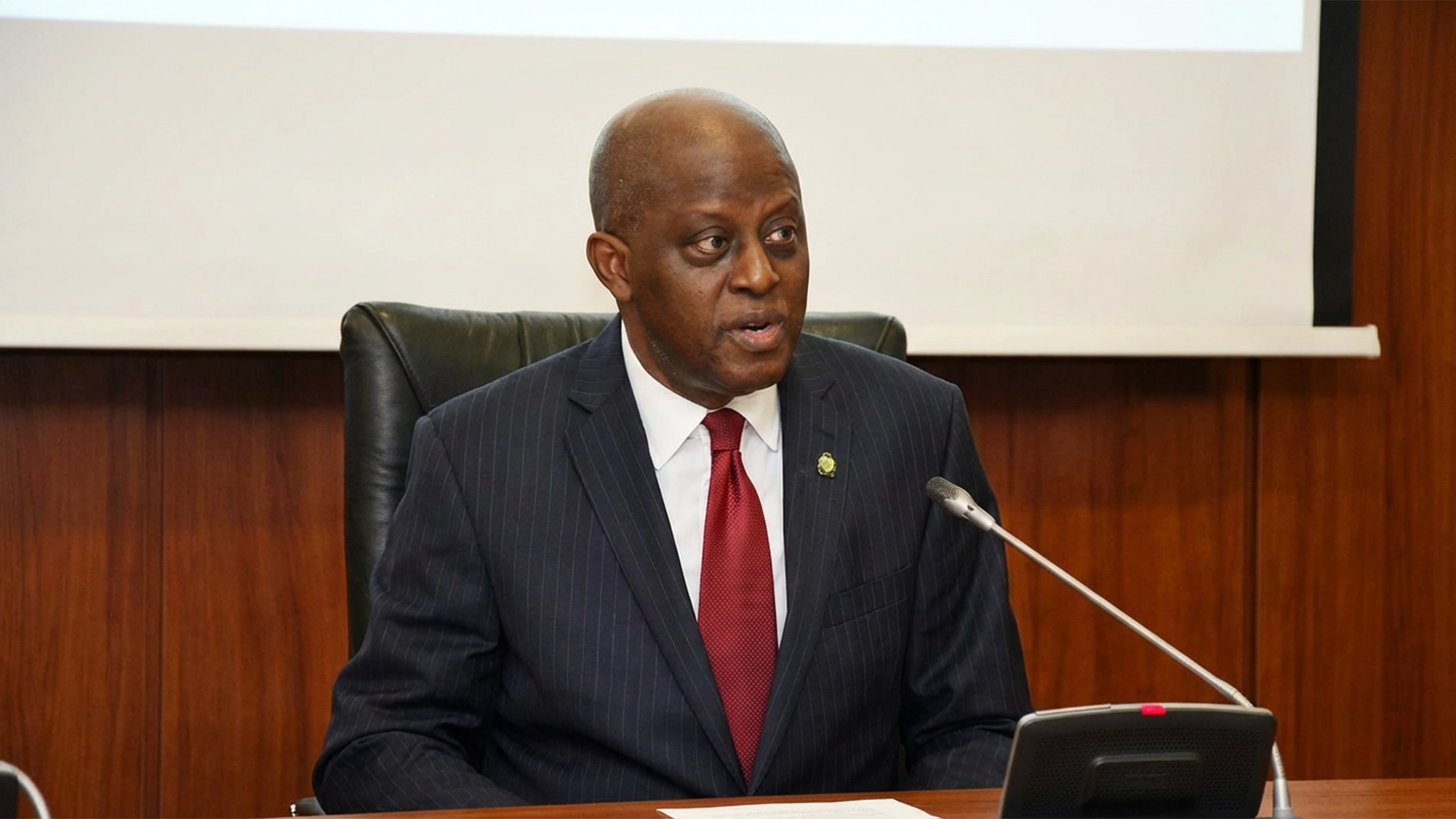


The Federal Government has announced plans to waive debts owed by domestic airlines to aviation agencies as part of efforts to cushion the impact of the ongoing Jet A1 fuel crisis.
The Minister of Aviation and Aerospace Development, Festus Keyamo, disclosed this during a high-level meeting in Abuja on Wednesday convened to address the sharp rise in the cost of Jet A1 fuel, according to The Punch.
Keyamo said, “I had the privilege of meeting Mr President to brief him about the meeting, and Mr President mandated us to quickly bring a request to him. And the first request that he will consider and grant is a generous discount on the debts the airlines are owing the aviation agencies, NAMA, FAAN, NCAA, and so on.
“The percentage of discounts and all that Mr President will decide, he is so concerned about what is happening. And he asked me in particular to express his deep appreciation to the airline operators. He knows the conditions under which we operate. And he said he should thank you for not raising your prices despite all that has happened. So he has to also respond.”
He added that the President would also consider broader reforms aimed at reducing the burden of multiple charges on domestic air travel.
“The second request Mr President has asked that we should bring for him to consider fully and grant is that he wants to set up a committee to address the issues of levies, taxes, and fees on domestic tickets once and for all. This request has been on for a long time. So Mr President will put the team together, and he’ll give them a deadline to report to him as quickly as possible on the government fees and charges and levies that we can take off domestic tickets for now to give respite to Nigerians who are also buying their tickets.
“And of course, he’ll consider a date for the airline operators to meet him one-on-one for the other more robust discussions regarding access to capital and all of that,” he said.
Also speaking at the meeting, Chairman and Chief Executive Officer of Air Peace, Allen Onyema, attributed the crisis in the aviation sector to the sharp surge in the price of aviation fuel, also known as Jet A1.
Onyema said, “Why are we here in the first place? It was because of the astronomical rise of Jet A1 in Nigeria, which we consider not to be proportionate to the rise in the cost of crude oil all over the world. The standard is that if crude oil rises by 10 per cent, the byproduct of crude oil should rise by a proportionate rise in pricing.
“But in Nigeria, after the Hormuz blockade, Nigeria increased (Jet A1 price) by about 300 per cent, and these airlines are bleeding. We are bleeding. Yes, we threatened to shut down, not because we wanted to shut down, but because we had no money anymore to continue to pay for fuel and neglect other things that are supposed to be done in the aviation industry.
“And you know very well that your regime pushes utmost safety, and we don’t want to shorten safety. So we decided that instead of not having money to do other things like maintenance, but only buy the fuel that we needed, to shut down. We appreciate this government.”
He added that, “The truth is that the marketers must be brought to book to explain how they got about the 300 per cent increase, when even Dangote is surprised, because what he is selling to us, his product, remains the cheapest. And some of them lifted from there. So why the astronomical rise?.
He also highlighted the high cost of financing in Nigeria, stating that “globally, airlines access loans at about three per cent, but in Nigeria, rates range between 30 and 35 per cent.”
“This is stifling the industry and explains why airlines are indebted to FAAN, NCAA, and others,” he said.
The Airline Operators of Nigeria had earlier threatened to shut down flights nationwide from April 20, 2026, citing the escalating cost of Jet A1 fuel.
According to the group, aviation fuel prices rose from about N900 per litre in late February to over N3,300 per litre within a few weeks, an increase of more than 300 per cent, a development they described as intolerable and unsustainable for continued operations.