







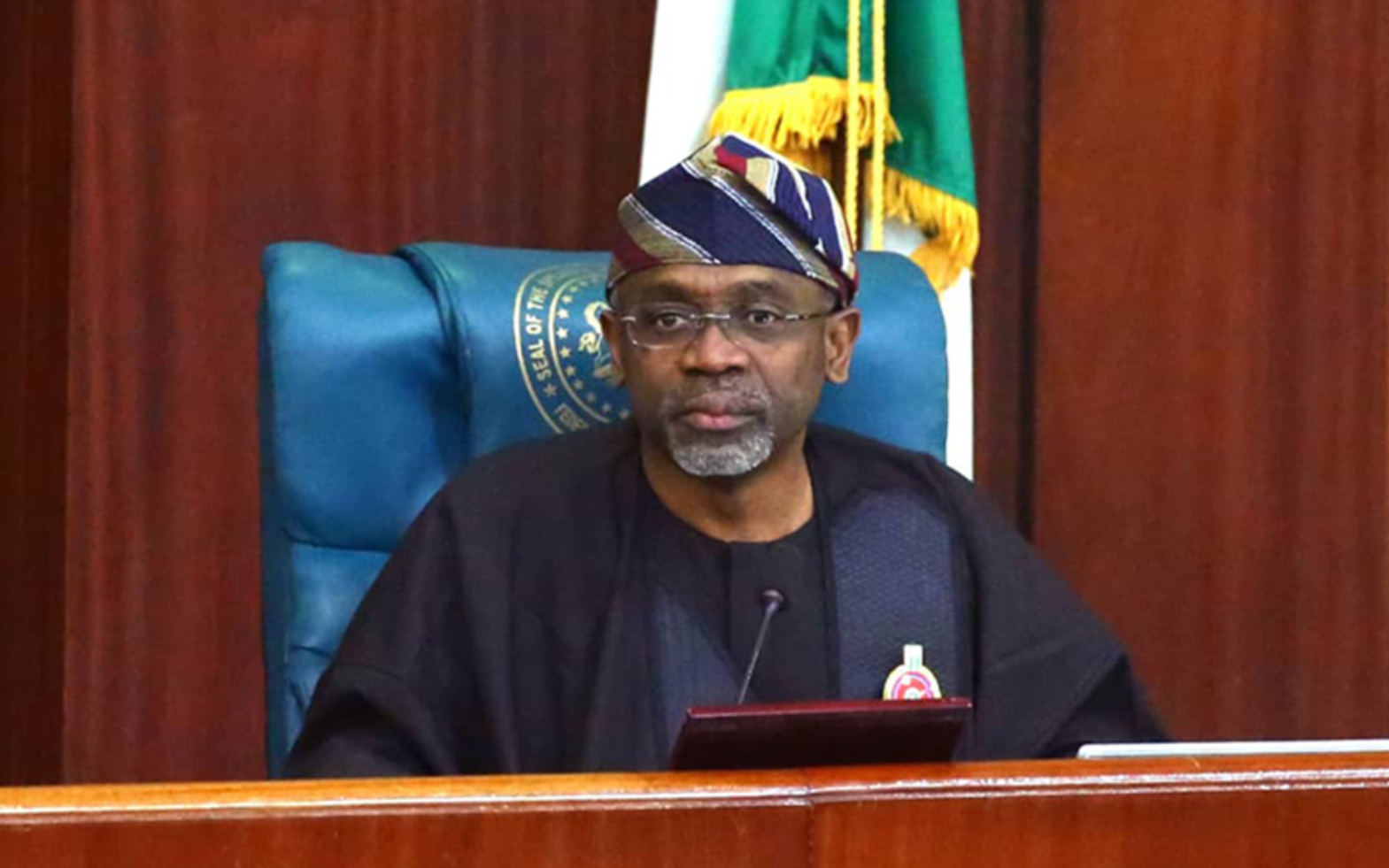
The Federal Government has opened a two-week public consultation process and set a September timeline for the presentation of the draft National Policing Bill to President Bola Tinubu, marking a major step in the legal framework for the establishment of state police across Nigeria.
The development was announced by the Chief of Staff to the President and Chairman of the Presidential Working Group on the National Policing Bill, Femi Gbajabiamila, on Monday after a meeting of the Working Group at the State House in Abuja.
The Working Group is reviewing the Police Act 2020, the Police Service Commission framework, police regulations, and other relevant laws to develop a comprehensive legal and operational framework for state policing.
Recall that in early July, President Tinubu inaugurated the Presidential Working Group on the National Policing Bill to prepare the legal framework for the implementation of state police across Nigeria, appointing his Chief of Staff, Femi Gbajabiamila, as chairman of the committee.
The Working Group said it has adopted a seven-week work programme running from July 27 to September 14, 2026.
Under the timeline, Nigerians will submit memoranda and policy proposals over the next two weeks, after which the draft Executive Bill will be prepared and presented to President Bola Tinubu on September 3, before wider national consultations are held ahead of its final approval and transmission to the National Assembly.
According to the Presidency, the proposed legislation is intended to create a modern policing framework that supports a transition to a dual-policing structure while maintaining national standards and accountability.
“The new National Policing Bill will set out requirements for recruitment, training, oversight, funding, and transition arrangements to ensure credible, effective, and accountable policing nationwide.”
The government said the public consultation process will allow citizens, professionals, civil society groups, security agencies, state and local governments, academics, and other stakeholders to submit memoranda and policy proposals.
These submissions will be reviewed and incorporated into the draft bill before it undergoes further national consultation and finalisation.
Gbajabiamila said the proposed framework would require any state seeking to establish a police service to meet strict institutional and financial standards before it can begin operations.
“A proposed State Police Service must demonstrate that it has credible arrangements for recruitment, vetting, training, pay, pensions, equipment, custody, complaints, discipline, data, firearms control, independent oversight and financial sustainability before it begins policing,” Gbajabiamila said.
Over the last few weeks, there have been increased legislative and executive efforts to accelerate the legal framework for the establishment of state police in Nigeria.
On June 24, the Senate passed a bill seeking to amend the 1999 Constitution to establish state police services across the country.
In July, the House of Representatives also passed the Constitution Alteration Bill seeking to establish state police in Nigeria, marking a major step toward the creation of a decentralised policing system.
President Tinubu subsequently inaugurated the Presidential Working Group on the National Policing Bill, tasking it with preparing the legal and operational framework required for the implementation of state police nationwide.
The Presidency had said the committee was constituted to produce a technically robust and implementation-ready draft National Policing Bill for transmission to the National Assembly.
The push for state police has gained renewed momentum as Nigeria continues to grapple with rising insecurity, including banditry, terrorism, kidnapping, and violent crimes across several regions.
According to a recent report by SBM Intelligence, reported deaths from violence involving terrorists, bandits, and armed groups reached 5,091 in the second quarter of 2026, with Borno recording the highest number of fatalities, followed by Zamfara, Yobe, and Katsina.
Supporters of state police argue that a decentralised policing structure would improve local intelligence gathering, community policing, and faster security responses tailored to the specific needs of each state.
However, critics have expressed concerns that state police could become a tool of political intimidation and oppression in the hands of state governors.
Responding to those concerns, the Attorney-General of the Federation and Minister of Justice, Prince Lateef Fagbemi, said the proposed National Policing Bill is designed to guarantee the security of lives and property while ensuring that state police is not used for political persecution.