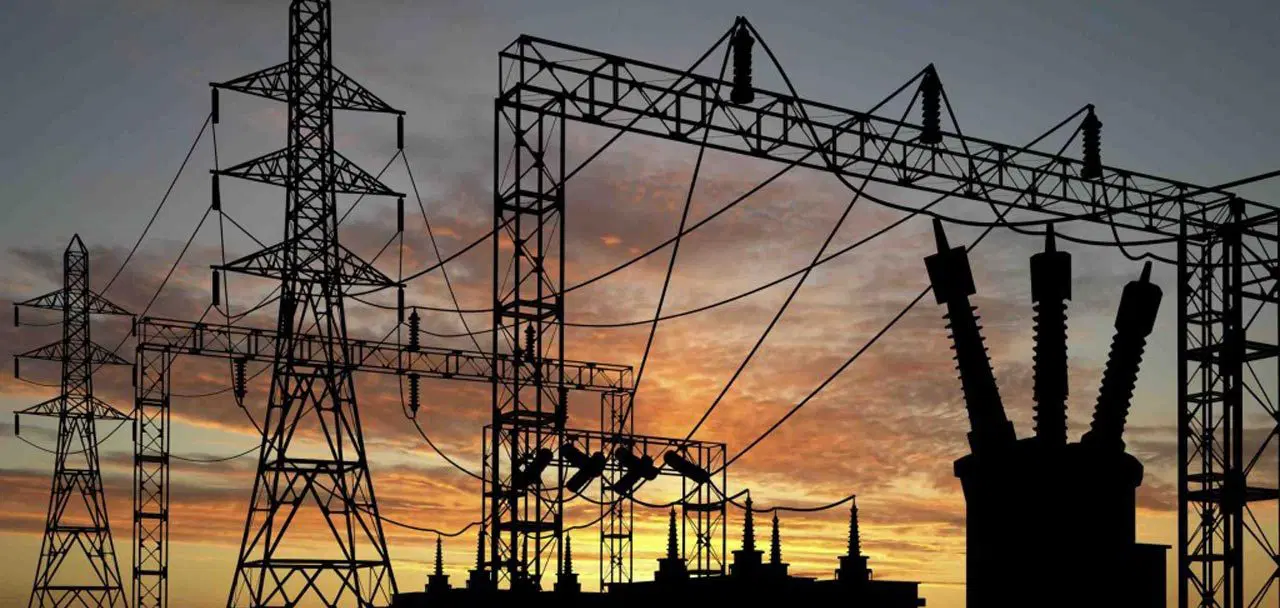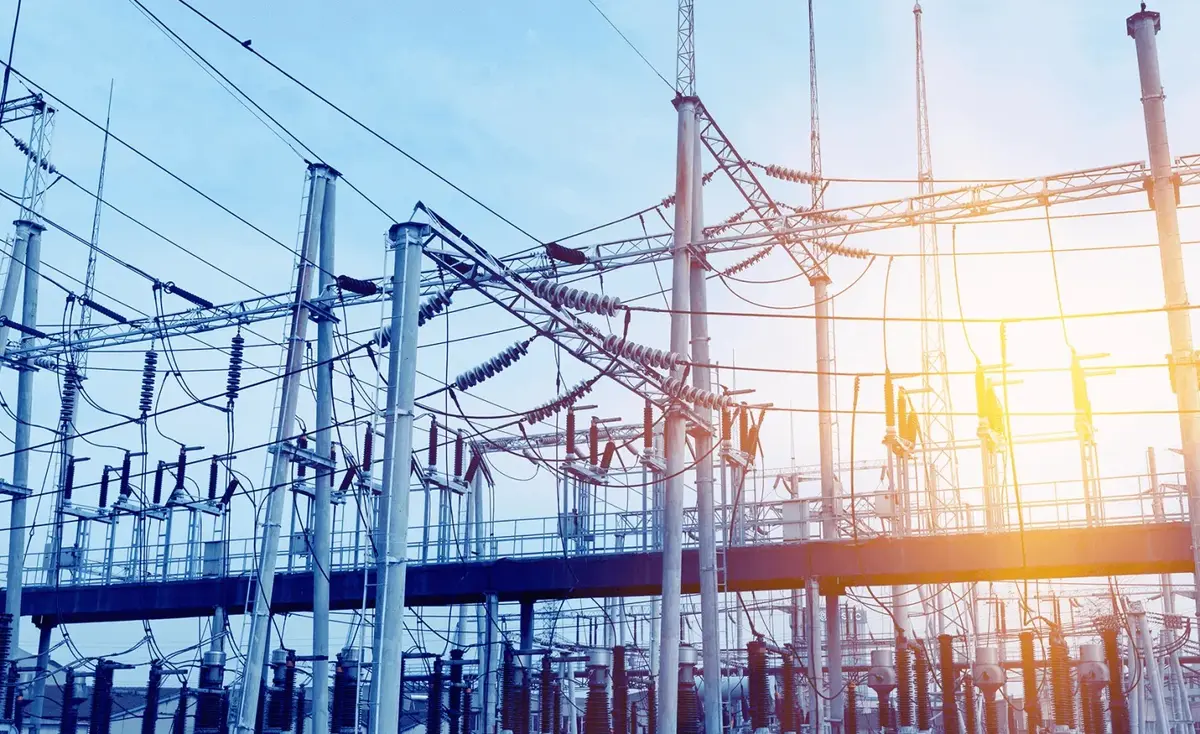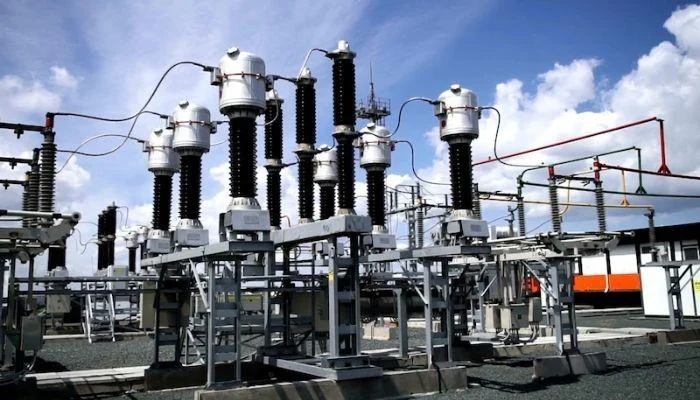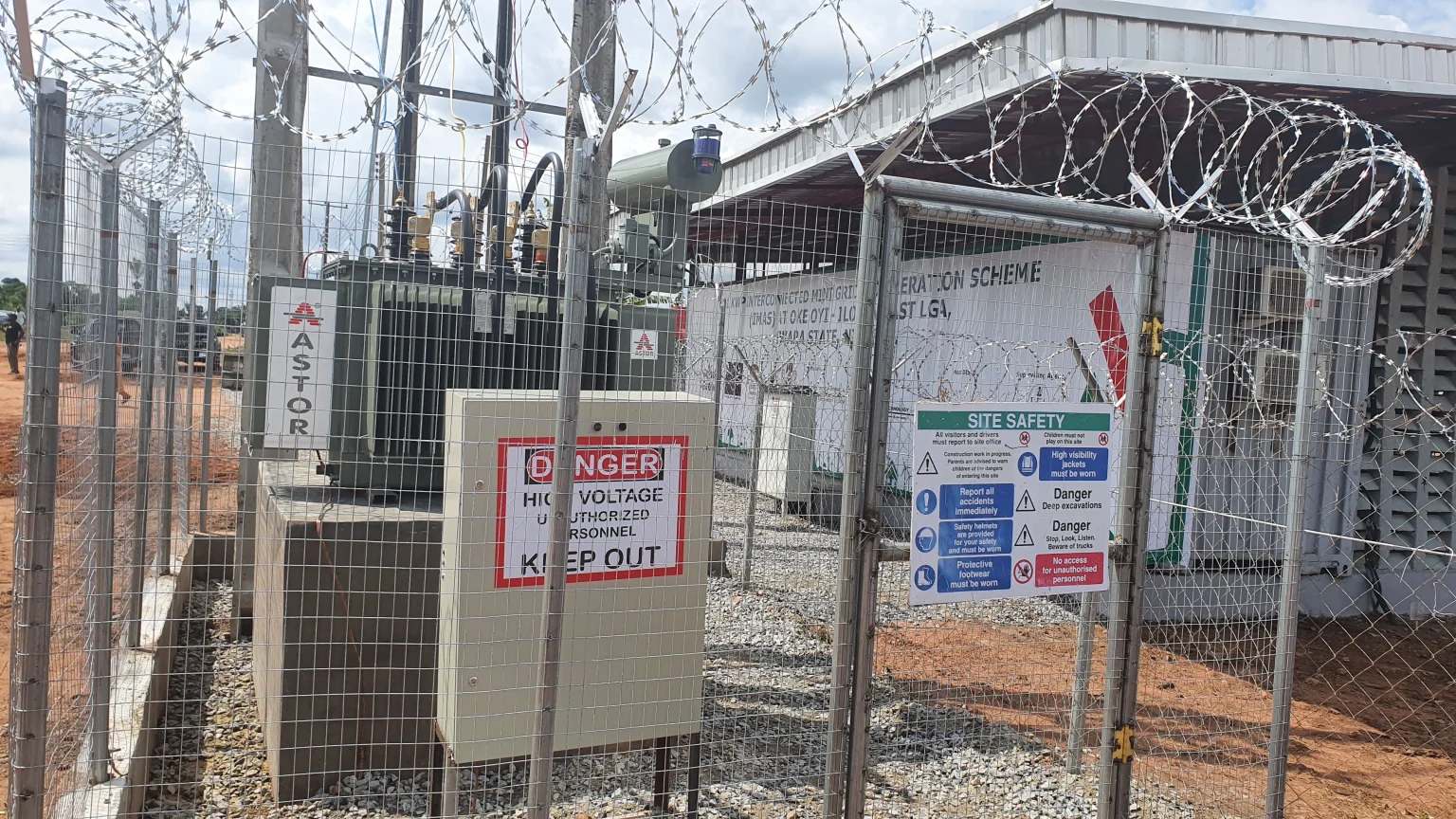

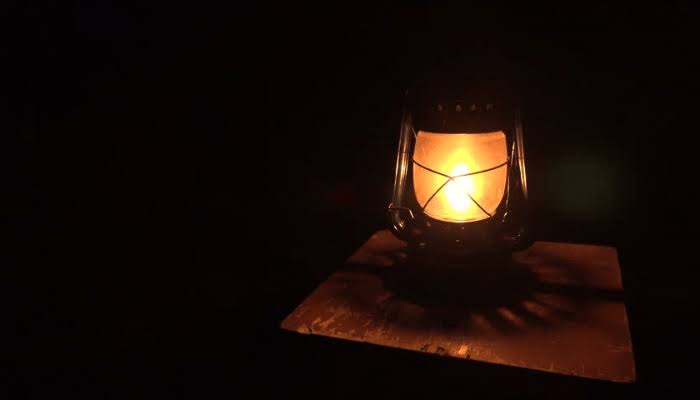
Constant blackouts and inadequate grid supply are costing Nigeria approximately ten per cent of its Gross Domestic Product annually, according to an economic brief released by a financial expert, Martins Itua.
Vanguard reported that the Director of Arthur Group, Mr Itua, stated that the heavy financial burden of self-generated electricity has become the primary barrier preventing the nation from doubling its economic output, overshadowing conventional challenges such as inflation, public debt, and currency volatility.
He said the policy focus on macroeconomic indices overlooks the structural root cause of Nigeria’s economic stagnation.
”The biggest obstacle to national prosperity remains the fact that millions of Nigerians must wake up every morning and generate their own electricity before they can begin creating value,” Mr Itua said. “This structural deficit forces the country to operate far below its potential, sacrificing roughly ten per cent of its annual GDP simply to keep the lights on.”
The report noted that Nigeria’s national grid typically distributes only between 4,500 and 5,500 megawatts daily for a population exceeding 220 million people.
Citing data from the African Development Bank, AfDB, Mr Itua noted that more than 70 per cent of Nigerian businesses are forced to own or share fossil-fuel generators to remain operational.
The brief projects that if five million households and small enterprises consume a conservative average of four litres of petrol daily, the collective fuel bill surpasses ₦26 billion every day.
When factoring in heavy industrial diesel usage by banks, supermarkets, and manufacturing plants, the national daily fuel cost for self-generation approaches ₦60 billion. This translates to roughly ₦1.8 trillion every month and nearly ₦22 trillion annually.
”Nigeria has created a system in which millions of people spend a significant portion of their time and income generating electricity before they can begin creating value,” Mr Itua said.
The report further calculates that when wider systemic issues are considered, including disrupted production lines, damaged equipment, and spoiled agricultural goods, the broader economic cost of unreliable power exceeds ₦48 trillion annually.
At current exchange rates, this represents a yearly loss of over $35 billion. With the federal budget standing at approximately ₦55 trillion, Mr Itua pointed out that the nation is losing an amount nearly equivalent to its entire federal spending package every year.
The brief compares Nigeria’s infrastructure deficit with continental peers such as Egypt, which operates an electricity system exceeding 60,000 megawatts of installed capacity, allowing its industries to focus entirely on production and market expansion.
”Before producing a single item, the Nigerian factory is already carrying capital and operating costs that its Egyptian competitor does not bear,” Mr Itua said, adding that these overheads are ultimately passed on to consumers through higher prices, fueling domestic inflation and making Nigerian exports less competitive globally.
Itua urged policymakers to view electricity as the absolute foundation of national productivity rather than an isolated social service or a seasonal campaign promise.
Mr Itua maintained that the fastest route to reducing poverty, creating jobs, and strengthening the local currency lies in resolving the power crisis rather than relying on tax adjustments or increased external borrowing.
”A nation cannot industrialise in darkness,” Mr Itua said. “A country cannot become globally competitive when millions of its citizens spend productive hours solving an infrastructure problem that should have been resolved by the state.”
The Arthur Group director added that upgrading Nigeria’s electricity supply to a stable 25,000 megawatts within four years would unlock significant latent growth across manufacturing, digital services, and agricultural processing, creating a viable pathway to double the size of the Nigerian economy from $400 billion to $800 billion within a single presidential term.