





The chief executive of Karex, the world’s largest condom manufacturer, has warned that prices could increase by as much as 30 per cent or more if ongoing tensions involving Iran continue to disrupt access to critical raw materials.
Goh Miah Kiat disclosed that production costs have surged significantly since the escalation of the conflict, putting considerable strain on the company’s global operations. He explained that the situation is already affecting supply stability and driving up manufacturing expenses, raising concerns across the industry.
Headquartered in Malaysia, Karex produces over five billion condoms annually, supplying major global brands such as Durex and Trojan, as well as public health institutions including the United Kingdom’s National Health Service. The company plays a central role in global condom supply, making any disruption to its operations a matter of widespread concern.
Goh made the remarks during separate interviews with Reuters and Bloomberg, while the BBC also confirmed it had reached out to the company for further clarification on the situation.
The warning comes amid continued volatility in global oil markets following Iran’s reaction to airstrikes by the United States and Israel. The tensions have included threats directed at vessels navigating the Strait of Hormuz, a critical global shipping route that has experienced significant disruptions in recent weeks, further straining already fragile international supply chains.
The strategic importance of the Strait of Hormuz cannot be overstated, as nearly 20 per cent of the world’s crude oil, liquefied natural gas and other petrochemical products typically transit through the waterway. Any disruption to this route has far-reaching implications for global trade and industrial production.
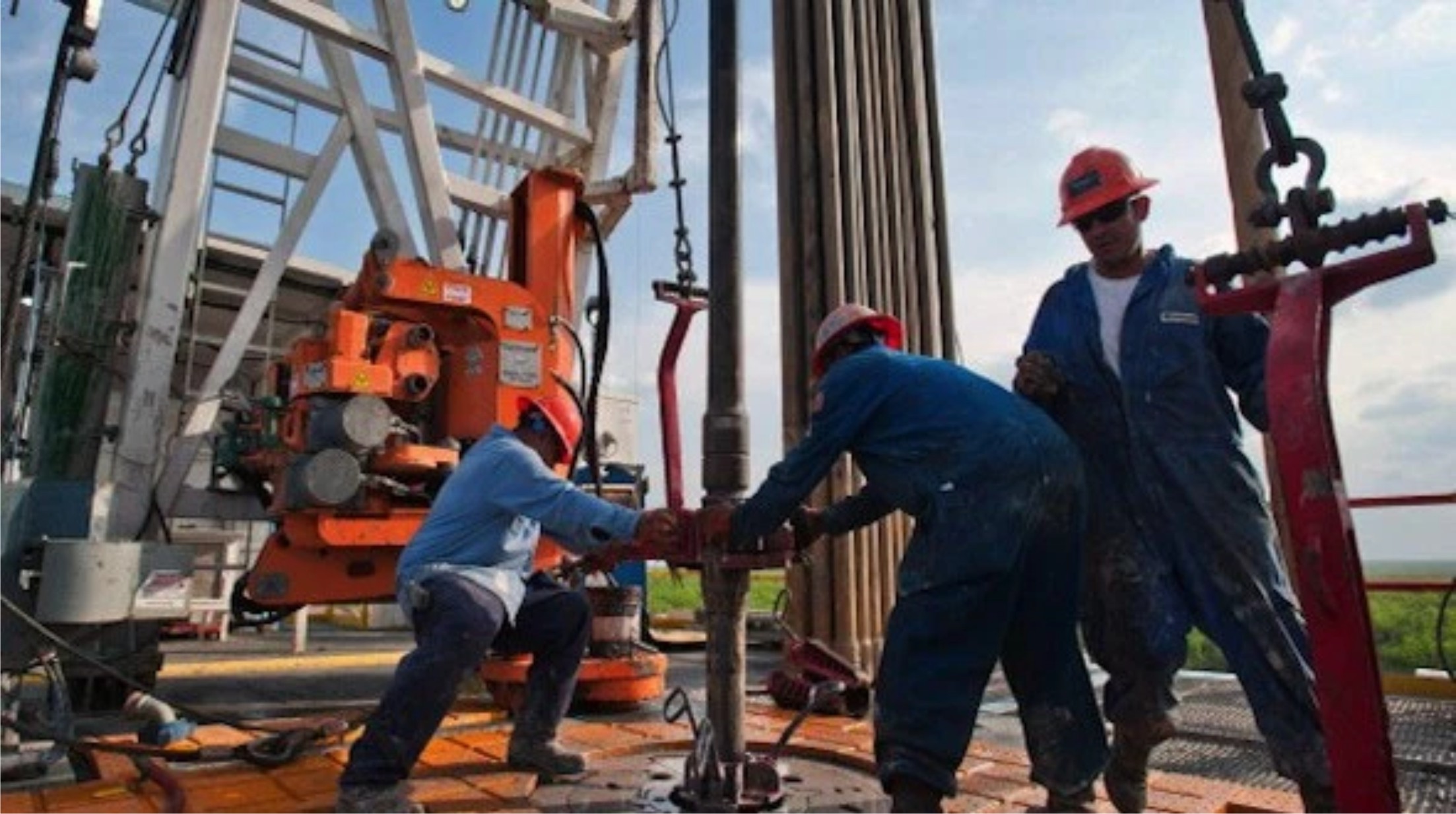
Karex depends heavily on oil-derived materials, including ammonia used in preserving latex and silicone-based lubricants essential for production. Both inputs have witnessed notable price increases in recent months, compounding the company’s operational challenges.
Goh also revealed that demand for condoms has risen by approximately 30 per cent this year, even as higher shipping costs and logistical delays continue to mount pressure on production capacity and distribution networks.
“In bad times, the need to use condoms is even more because you’re uncertain with your future, whether you’d still have a job next year,” he told Bloomberg.
“If you have a baby right now, you’ll have one more mouth to feed,” he added.
The possibility of a price hike underscores how geopolitical tensions involving the United States, Israel and Iran are extending beyond energy markets and fuelling broader inflationary pressures across consumer goods sectors.
Air travel has already been affected, with economy class fares reportedly about 24 per cent higher on average compared to last year, according to recent analysis. The ripple effects of the crisis are being felt across multiple industries.
Shipping disruptions in the Gulf region have also contributed to rising fertiliser costs and shortages of helium, a crucial component in semiconductor manufacturing, further illustrating the widespread impact of the instability.
Other sectors are facing similar challenges, including bottled water producers grappling with difficulties in sourcing raw materials. These pressures reflect a broader strain on global manufacturing and supply chains.
Earlier this month, the United Nations cautioned that rising transportation costs are likely to push up global prices for essential commodities such as sugar, dairy products and fruit, adding to concerns about inflation and food security.
At the same time, uncertainty persists over possible peace negotiations between the United States and Iran. President Donald Trump has indicated that any extension of a ceasefire would depend on tangible progress in diplomatic talks, leaving the situation fluid and unpredictable.


