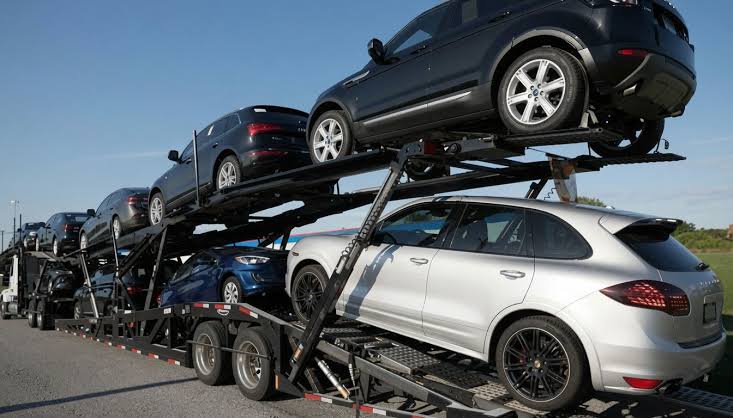
Car dealers in Nigeria have complained of a steep drop in vehicle sales, blaming high import duties, elevated exchange rate and rising cost of living for making car ownership increasingly unaffordable for many Nigerians.
Vanguard reported that a car dealer and importer, Mr Paul Uche, said the auto market had seen a major shift in prices and customer patronage. He said most vehicles now sell for over five times what they cost three years ago.
Uche said a 2005 Toyota Corolla that once sold for about ₦1.5 million now costs between ₦8 million and ₦8.5 million, depending on its condition and grade.
He added that a 2010 Toyota Camry, which sold for between ₦2.2 million and ₦3 million, now goes for between ₦9 million and ₦10 million.
According to him, the situation has worsened this year, with sales dropping considerably compared with previous years.
He said: “you can even stay three to four months without making any sales; the situation is frustrating for people struggling to keep their businesses afloat. The impact is also evident in the market for locally used vehicles.”
The dealer explained that a Nigerian-used 2005 Toyota Corolla, which previously sold for between ₦750,000 and ₦850,000, now costs between ₦4.3 million and ₦4.5 million. He said this further reduces the number of prospective buyers who can afford a car.
Uche identified the exchange rate as one of the major factors driving the price increases. He said the cost of importing vehicles had risen alongside customs duties and other clearing expenses.
He recalled that clearing a Corolla used to cost between ₦200,000 and ₦350,000, but now requires between ₦2.5 million and ₦3.5 million.
He said the rising cost of clearing imported vehicles had put additional pressure on both dealers and customers.
He appealed to the government to review the situation. He warned that the combination of high import costs and weak purchasing power was hurting the business.
Uche also linked the decline in patronage to the rising cost of living. He noted that higher rents, food prices and other household expenses had left many Nigerians struggling to meet basic needs.
“You wouldn’t expect somebody who is struggling to survive to look at buying a car”.