


The Corporate Affairs Commission has called for the harmonisation and centralisation of Nigeria’s beneficial ownership registers to strengthen the fight against illicit financial flows, money laundering and the abuse of corporate structures.
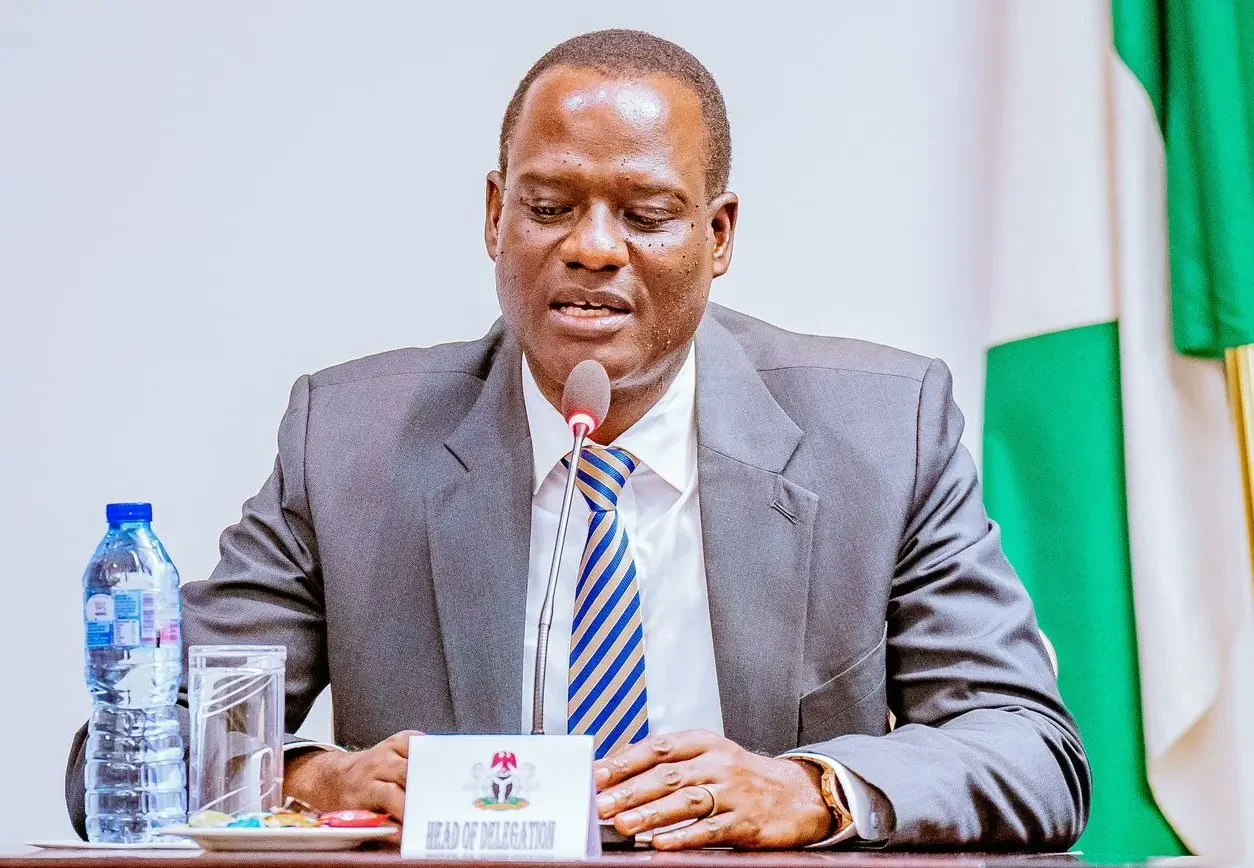
The Registrar-General and Chief Executive of the CAC, Hussaini Magaji, speaking at a training on the Beneficial Ownership Register for journalists and civil society organisations on Tuesday in Abuja, said the country needs an interconnected system that makes it easier to identify the individuals who ultimately own or control companies.
The commission said corporate ownership information should not remain fragmented across separate institutional databases, particularly for companies operating across multiple sectors.
The Registrar-General said Nigeria should harmonise and centralise beneficial ownership information under a coordinated national framework, with the CAC’s corporate registry serving as the central backbone for corporate data.
“This is not about taking away the legitimate statutory responsibilities of NEPZA or NEITI. It is about connecting the dots. It is about ensuring that the Nigerian beneficial ownership ecosystem speaks with one voice, one standard and one level of transparency.
“Because if the objective is transparency and accountability, then information should not exist in silos. We must make it possible to see the complete picture. A company may operate in different sectors. It may have interests across different regulatory environments. Its ownership structure should not become invisible simply because the information sits in different institutional compartments,” Magaji said.
The call comes as part of broader efforts to strengthen corporate transparency and curb the use of companies for corruption, tax evasion and other illicit financial activities.
The CAC currently maintains its own Beneficial Ownership Register, while information on beneficial ownership for entities operating within Free Trade Zones is maintained under the Nigeria Export Processing Zones Authority framework. Similarly, beneficial ownership information relating to the extractive industries is maintained within the Nigeria Extractive Industries Transparency Initiative framework.
The Registrar-General said the three systems shared the same fundamental objective of identifying the natural persons who ultimately own or control corporate structures.
He said, “To journalists and Civil Society Organisations: Your voice is needed in this conversation. We want you to interrogate this issue. Ask the difficult questions. Why should beneficial ownership information remain fragmented? Can we have interoperability between these registers? Can we establish common standards? Can we eliminate duplication?”