



Crude oil prices have surged dramatically toward their largest weekly gain in nearly six years, driven by the escalating military conflict involving the United States, Israel, and Iran.
Brent futures reached $87 a barrel on Friday as the conflict severely disrupted shipping through the Strait of Hormuz. This critical waterway handles roughly a fifth of the world’s seaborne oil flows.
Brent crude climbed as much as 2.1 percent to $87.12 in London trading. This extended a five-session rally that lifted the global benchmark more than 19 percent from last Friday’s close of $72.87.
West Texas Intermediate followed suit, rising above $82 a barrel for the first time since mid-2024.
If the gains hold through the session’s close, this will represent the steepest weekly percentage advance for oil since the Saudi Arabia–Russia production war in the spring of 2020.
U.S. and Israeli forces launched coordinated strikes on Iran over the weekend, resulting in the death of Supreme Leader Ali Hosseini Khamenei.
Tehran responded with retaliatory missile barrages across Gulf states. This triggered an effective shutdown of tanker traffic through the Strait of Hormuz, stranding an estimated 15 million barrels per day of crude and refined products at the chokepoint’s narrow entrance.
“The most immediate and tangible development affecting oil markets is the effective halt of traffic through the Strait of Hormuz,” said Jorge Leon, head of geopolitical analysis at Rystad Energy.
The waterway, bordered on its northern edge by Iran, serves as the sole maritime exit for petroleum exports from Saudi Arabia, Iraq, Kuwait, the UAE, and Qatar.
The surge in crude prices has been broad and significant. WTI recorded its biggest single-session gain since May 2020 on Thursday, surging 8.51 percent to settle at $81.01 a barrel.
Brent rose nearly 5 percent the same day to $85.41.
Since the strikes began, U.S. oil has advanced roughly 21 percent. Retail gasoline prices have jumped nearly 27 cents to a national average of $3.25 per gallon, marking the sharpest weekly increase since Russia’s invasion of Ukraine in March 2022, according to motorist group AAA.
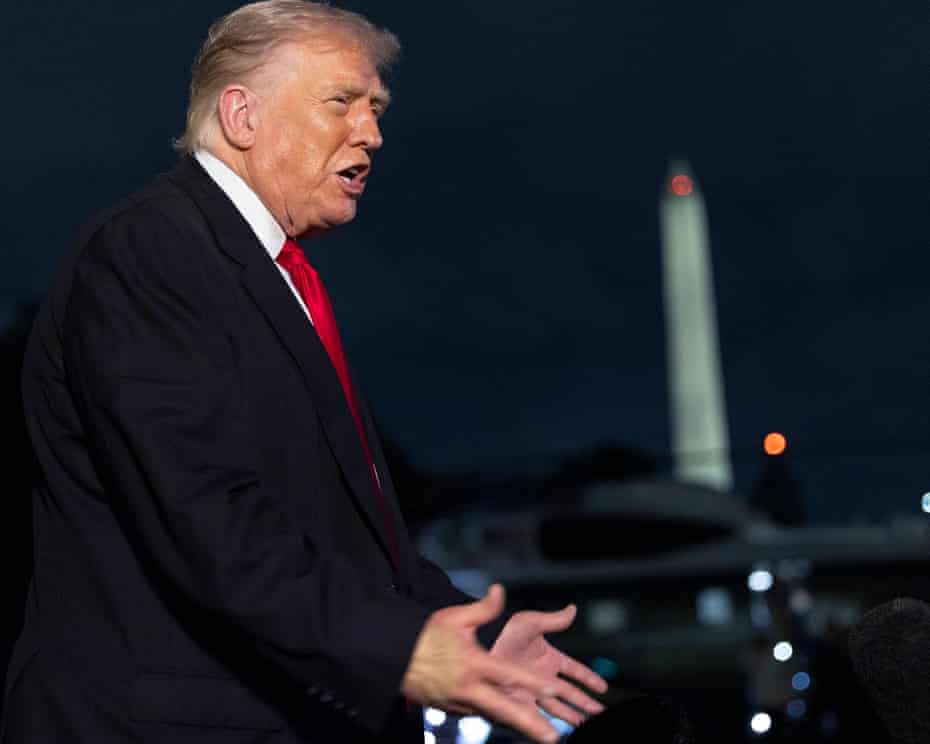
President Donald Trump, speaking from the White House on Monday, signaled the conflict could prove protracted. He said the U.S. would continue executing large-scale strikes and that hostilities could last weeks.
That assessment rattled energy markets again and sent Brent through the $82 level for the first time since January 2025.