


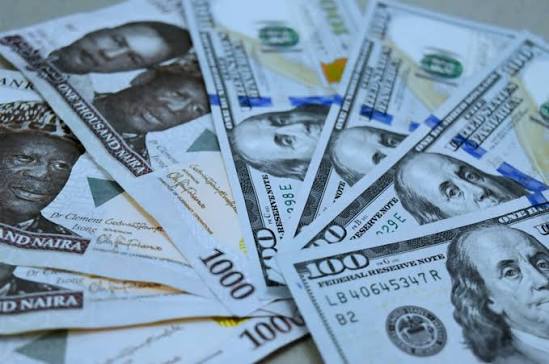


A broad-based global market selloff has rattled financial markets, with Nigerian equities, United States stocks, Bitcoin, and precious metals all coming under pressure following what analysts describe as a major macroeconomic shock affecting investor sentiment worldwide.
Nairametrics reported that the Nigerian stock market entered bearish territory at the beginning of June, shedding approximately N5 trillion in market capitalisation within a single week.
The decline followed months of strong gains in the local equities market, which had recorded a year-to-date return of more than 60 per cent in 2026 and reached record highs during April and May.
The sharp correction was largely driven by aggressive profit-taking as institutional investors and fund managers moved to lock in gains accumulated over several months of sustained market growth.
As a result, significant selling pressure emerged across major financial and consumer goods stocks, contributing to the market’s downturn.
The situation was further compounded by rising interest rates in the United States, which have climbed to peak levels and triggered a movement of foreign institutional capital, often referred to as “hot money,” out of emerging markets such as Nigeria and into dollar-denominated assets offering safer and more attractive yields.
This outflow of foreign capital coincided with domestic profit-taking activities in heavyweight Nigerian stocks including Aradel Holdings, MTN Nigeria, and BUA Cement.
At the same time, fixed-income investments have become increasingly attractive. Treasury Bills, particularly the 91-day instrument offering yields of about 16 per cent, have emerged as preferred risk-free assets, prompting institutional investors to redirect funds from equities into government debt securities.
Although banking stocks continue to benefit from the prevailing high-interest-rate environment, consumer goods and industrial companies are facing significant challenges arising from foreign exchange risks, supply chain disruptions, and weak domestic demand.
These pressures have weighed on corporate profitability and encouraged investors to reassess their exposure to affected sectors.
The global selloff has not been limited to Nigerian assets. Investors with holdings in United States technology stocks and cryptocurrencies have also experienced significant losses amid widespread liquidation across international markets.
The immediate catalyst for the market turbulence was the release of the United States May Nonfarm Payrolls report on Friday morning.
The report showed that the American economy added 172,000 jobs during the month, significantly exceeding Wall Street expectations of approximately 85,000 jobs.
The stronger-than-expected employment data reinforced confidence in the resilience of the US economy and reduced expectations that the Federal Reserve would begin cutting interest rates in the near term.
Persistently elevated interest rates tend to tighten global liquidity conditions, strengthen the US dollar and reduce investor appetite for riskier assets such as technology stocks and cryptocurrencies.
The technology sector, particularly artificial intelligence and semiconductor stocks, experienced notable declines as investors rotated funds into other sectors.
Among the major losers was Meta Platforms, whose shares fell by 5.5 per cent amid reports that the company plans to raise tens of billions of dollars through an unprecedented share offering to finance its artificial intelligence expansion strategy.
Selling pressure intensified further after mixed outlooks from leading semiconductor companies. Broadcom, one of the sector’s major players, lowered its forecasts, dampening enthusiasm surrounding the highly valued artificial intelligence sector.
The cryptocurrency market also suffered substantial losses, with Bitcoin leading the decline.
Bitcoin fell by more than six per cent within hours, slipping below the critical $60,000 support level as institutional investors withdrew funds from the market.
Spot Bitcoin exchange-traded funds experienced their worst period since inception, recording withdrawals estimated at about $4 billion over a two-week period.
The downturn accelerated as long liquidations, which involve the forced closure of leveraged bullish positions, intensified following the release of the US employment report.
More than $200 million worth of long positions were wiped out in a single day, dragging down the wider cryptocurrency market.
Ethereum was also heavily affected, losing nearly 10 per cent during the selloff.
Market analysts noted that funds previously allocated to Bitcoin as a momentum-driven investment are increasingly being redirected to support the rapidly expanding artificial intelligence sector.
“The capital held in Bitcoin as a momentum play is being sold and moved out to finance this monumental AI infrastructure boom.”
The report noted that institutional investors are aggressively allocating capital to high-flying artificial intelligence companies and semiconductor manufacturers such as Nvidia, Broadcom and Marvell.
At the same time, investors are also positioning themselves for major private capital raises and high-profile public offerings involving leading technology firms.
“Institutions are rushing into soaring AI stocks, chip makers (Nvidia, Broadcom, and Marvell), while at the same time, we see multiple, historically significant IPO’s and mega raises (SpaceX, OpenAI, and Anthropic). Investors, large funds, are selling their positions in crypto assets to invest in private tech placement offerings.”
Gold prices also recorded sharp declines as investors responded to indications from the Federal Reserve that interest rate cuts are unlikely in the immediate future.
The combination of persistent inflationary pressures and stronger-than-expected employment figures has strengthened expectations that monetary policy will remain restrictive.
Because gold does not generate yields or dividend income, higher interest rates and rising Treasury yields make fixed-income assets more attractive to investors.
The resulting strength of the US dollar has further pressured gold prices, pushing the precious metal down from previous highs and into the $4,300 to $4,500 per ounce range.


