
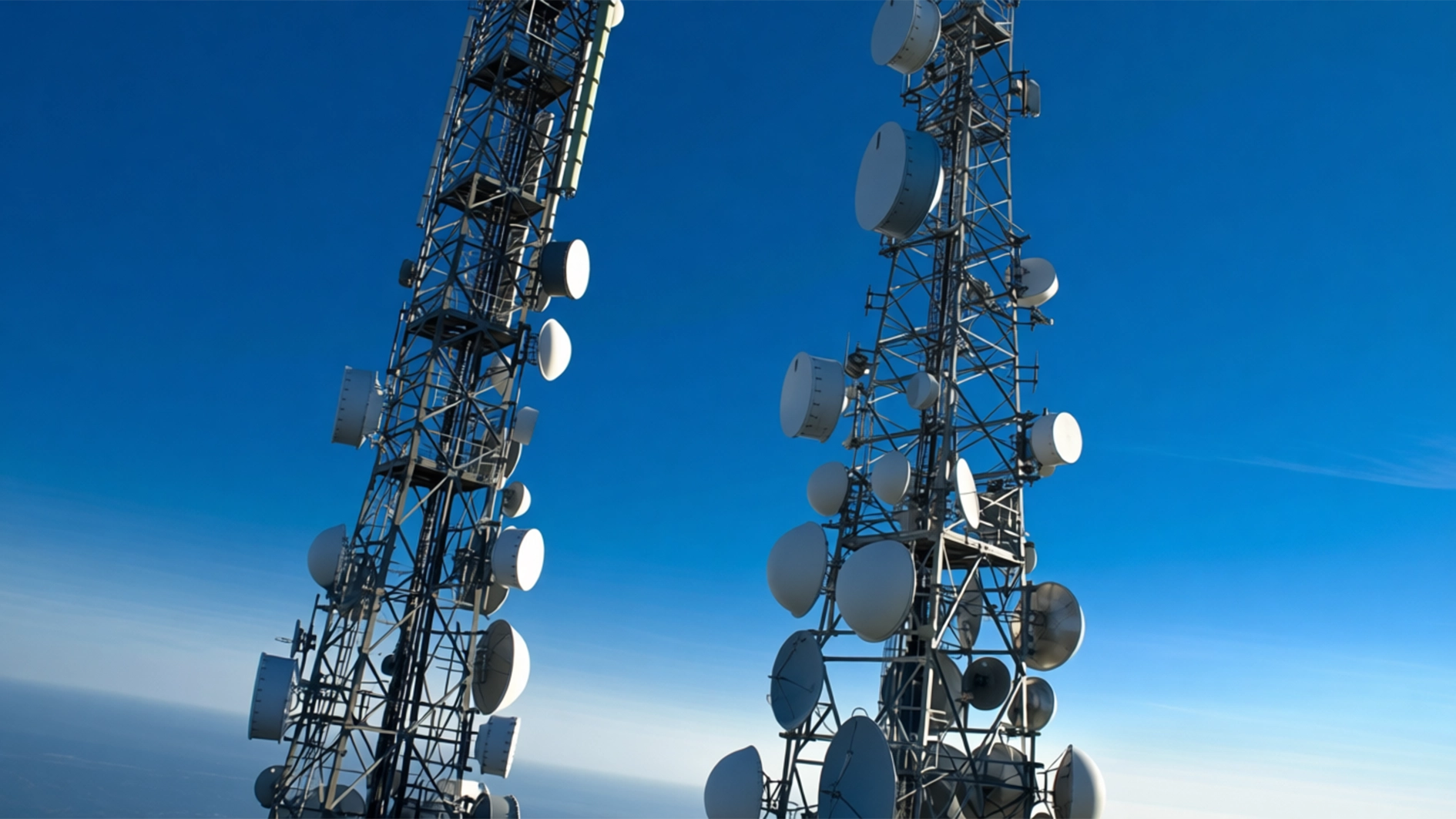
Nigerian telecom operators said on Monday that they plan to invest about N1.86 trillion in 2026 to expand infrastructure, boost network capacity, and improve service quality across the country.
The Association of Licensed Telecommunications Operators of Nigeria stated that the funds will go into network expansion, technology upgrades, and other operational improvements aimed at enhancing service delivery for millions of mobile and data users nationwide.
The planned spending comes after capital expenditure of N2.13 trillion recorded in 2025 by mobile network operators, tower companies, and other industry players, highlighting continued investment in infrastructure despite ongoing cost pressures, foreign exchange challenges, and evolving funding patterns in the sector.
ALTON noted that the sustained capital deployment reflects efforts by operators to stabilise network performance and keep pace with growing demand for data services, fuelled by increased digital adoption across banking, commerce, education, and entertainment.
“The sector’s recovery is reflected in sustained capital deployment. In 2025, mobile network operators, tower companies, and other players in the sector recorded a total capital expenditure of N2.13tn, with a planned capital expenditure of N1.86tn for 2026, directed towards network infrastructure expansion,” the association revealed in a statement.
The investment plans come amid rising consumer complaints over service quality, months after telecom operators received regulatory approval for a 50 per cent tariff increase, which they said was needed to support network upgrades and ensure the long-term sustainability of the industry.
Subscribers have continued to experience slow internet speeds, network outages, dropped calls, and failed digital transactions, leading to criticism that service quality has not improved despite the recent tariff increase.
In March 2026, the Nigerian Communications Commission directed telecom operators to compensate subscribers affected by service outages through airtime credits tied to usage patterns in impacted areas. While operators attributed the disruptions to fibre cuts, vandalism, and power supply challenges, many consumers argue that service quality remains poor.
ALTON said the current investment cycle is increasingly being financed through domestic sources, particularly reinvested operational earnings, rather than new foreign capital inflows.
It also cited data from the National Bureau of Statistics Capital Importation Report for the first quarter of 2026, which showed that foreign investment in the telecommunications sector declined sharply to $7.24 million, down from $80.78 million in 2025.
According to the association, operators have increasingly depended on internally generated revenue to fund infrastructure expansion following the 50 per cent tariff adjustment approved in 2025, which it said helped stabilise earnings and restore financial viability across the industry.
The group added that the tariff increase allowed operators to transition from a period of financial strain to a renewed focus on network expansion and service quality improvements, particularly in underserved and high-demand locations.
ALTON said the planned N1.86 trillion investment for 2026 will prioritise network densification, fibre expansion, equipment upgrades, and improved last-mile connectivity as operators work to address ongoing challenges such as dropped calls, inconsistent data speeds, and coverage gaps.