





The African Refiners and Distributors Association has warned that Africa’s heavy reliance on imported petroleum products—currently as high as 70 per cent despite producing 5 million barrels of crude oil daily—poses a severe risk to the continent’s energy security.
Executive Secretary Anibor Kragha described the dependence as dangerous, noting that a 30-day supply disruption could trigger fuel queues stretching from Lagos to Johannesburg, Kinshasa, Cairo, and Nairobi.
In an article, Kragha cautioned that such a crisis would ground aircraft, immobilise trucks, plunge hospitals into darkness, throw cities into chaos, and bring Africa’s economic activity to a standstill within days.
“This isn’t a worst-case scenario exaggerated to cause alarm. It’s a strategic blind spot hiding in plain sight. Despite producing more than 5 million barrels of crude oil daily, the continent still imports over 70 per cent of its refined petroleum products. The truth is, this dependence leaves Africa dangerously overexposed.
“If imports were to stop, the collapse wouldn’t just be technical – it would be systemic. Today, Africa is deeply reliant on fuel imports, leaving it exposed to shocks with immediate and far-reaching consequences,” he argued in a statement.
Calling for coordinated action to secure Africa’s energy future, ARDA warned that the current dependence on fuel imports could trigger food inflation, widespread blackouts, and economic paralysis—conditions that could quickly escalate into political instability across the continent.
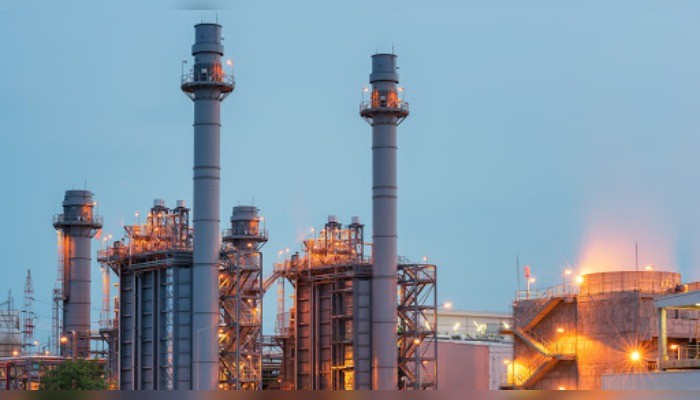
“Africa is rich in crude oil but suffers from a persistent lack of refining capacity. The continent hosts over 40 refineries, yet many are outdated, underutilised, or idle. Nigeria, Africa’s top oil producer, has a nominal refining capacity of 1.1 million barrels per day, including the new 650,000 bpd Dangote Refinery. Still, it relies on imports for over half its fuel needs.
“Across the continent, crude production outpaces refining. At the Congo Energy & Investment Forum, plans were announced to double the country’s crude output to 500,000 bpd, but the CORAF Refinery in Pointe Noire can currently process only 24,000 bpd, with a planned increase to 40,000 – far below potential despite proximity to key markets like the DRC.
“Meanwhile, demand is rising fast. Africa’s population is projected to hit 2.5 billion by 2050, with energy needs expected to double. This dependence on imported refined products undermines economic sovereignty, widens trade deficits, destabilises currencies, and impedes industrialisation. It also threatens the goals of the African Continental Free Trade Area (AfCFTA) by reinforcing external dependencies rather than building internal resilience,” he stated.
Kragha stressed that correcting this imbalance demands a unified, continent-wide approach—one ARDA is already working to shape.
To prevent the economic paralysis that could follow a sudden stop in fuel imports, ARDA said it is spearheading a five-pillar continental strategy: upgrading and expanding refining capacity through resilient, commercially viable projects; harmonising fuel specifications and regulations to boost intra-African trade; and attracting investment by ensuring transparency, developing bankable projects, and implementing robust risk-mitigation frameworks.