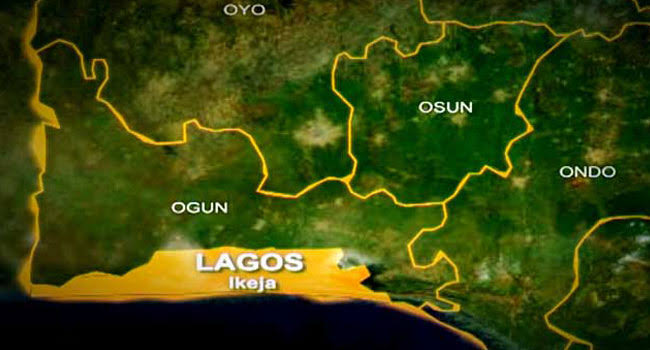
Ondo, Lagos and Imo states recorded the highest food inflation rates among Nigeria’s 36 states in October 2026.
Residents there faced far steeper increases in food prices than people in other parts of the country.
The figures were released by the National Bureau of Statistics and shared by TheCableIndex on X on Tuesday. They showed Ondo at the top of the list with a food inflation rate of 31.7 per cent. Lagos followed with 31.4 per cent, and Imo came third with 29.8 per cent.
Oyo State ranked fourth with 28.8 per cent, while Ebonyi recorded 28 per cent.
Rivers followed with 25.3 per cent, Abia with 24.2 per cent, Delta with 23.9 per cent, Enugu with 23.5 per cent and Zamfara with 22.9 per cent.
Ogun, Yobe, Anambra, Kebbi, Akwa Ibom, Edo, Sokoto, Ekiti and Kaduna were the other states with food inflation rates above 20 per cent.
At the lower end of the ranking, Nasarawa had the lowest food inflation rate at 3.7 per cent. Kano and Bayelsa followed, each with 7.1 per cent. Bauchi and Taraba also posted relatively low rates of 8.2 per cent and 8.9 per cent respectively.
At the national level, year-on-year food inflation stood at 19.13 per cent in October, up from 16.30 per cent in October 2025.
The month-on-month food inflation rate was -0.75 per cent, compared with -1.55 per cent in September. This indicates that the pace of monthly price decline moderated.
The NBS attributed the movement in food prices to changes in the average prices of several commodities. These include vegetable oil, sardines, green peas, frozen mackerel, croaker fish, locally produced rice, fresh catfish, beef tripe, palm oil and millet flour.
The bureau also warned against making direct comparisons of consumption baskets across states. It explained that the Consumer Price Index is weighted according to expenditure patterns that differ from one location to another.
As a result, the weight assigned to particular food items may vary from state to state.
Full list of food inflation rates by state in October 2026
Ondo – 31.7 per cent
Lagos – 31.4 per cent
Imo – 29.8 per cent
Oyo – 28.8 per cent
Ebonyi – 28.0 per cent
Rivers – 25.3 per cent
Abia – 24.2 per cent
Delta – 23.9 per cent
Enugu – 23.5 per cent
Zamfara – 22.9 per cent
Ogun – 22.5 per cent
Yobe – 22.3 per cent
Anambra – 22.2 per cent
Kebbi – 22.2 per cent
Akwa Ibom – 21.6 per cent
Edo – 21.5 per cent
Sokoto – 21.4 per cent
Ekiti – 20.6 per cent
Kaduna – 20.3 per cent
Katsina – 19.9 per cent
Jigawa – 19.5 per cent
Gombe – 18.7 per cent
Osun – 18.0 per cent
Borno – 16.7 per cent
Plateau – 16.6 per cent
Adamawa – 16.4 per cent
Cross River – 16.3 per cent
Niger – 15.8 per cent
Benue – 15.2 per cent
Kogi – 13.8 per cent
Kwara – 13.7 per cent
Taraba – 8.9 per cent
Bauchi – 8.2 per cent
Kano – 7.1 per cent
Bayelsa – 7.1 per cent
Nasarawa – 3.7 per cent
Federal Capital Territory (FCT) – 15.7 per cent