Britain bought refined petroleum products worth £1.02bn from Nigeria in the 12 months to June 2026, a notable change in energy trade between the two countries as the Dangote Petroleum Refinery boosts Nigeria’s ability to export processed fuel.
The United Kingdom government’s latest Trade and Investment Factsheet, published on 6 November, 2026, showed that refined petroleum products made up 53.5 per cent of all goods Britain imported from Nigeria in the period.
The report indicated that the value of refined oil purchases more than doubled, rising by over 100 per cent from the 12 months to June 2025, and became the biggest category of goods the UK bought from Nigeria.
The shift points to an evolving trade relationship, with Nigeria now supplying more processed petroleum products instead of depending mainly on crude oil sales.
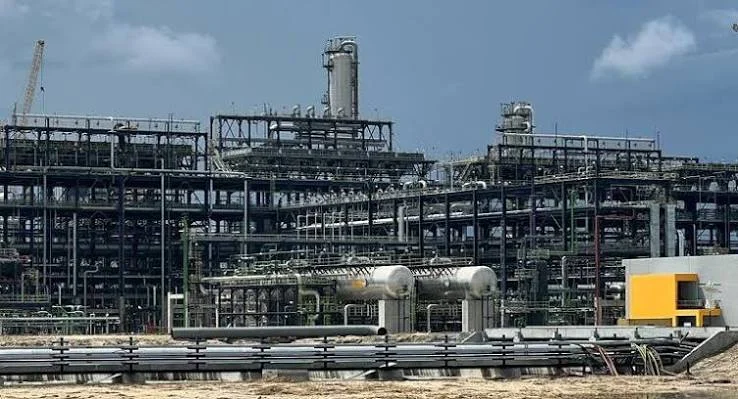
The figures emerge as the Dangote Refinery, which has a nameplate capacity of 650,000 barrels per day, steps up its presence in international petroleum markets.
The PUNCH’s analysis of the report showed that crude oil imports from Nigeria fell by 56.2 per cent to £550.3m over the period, accounting for 28.9 per cent of the UK’s total goods imports from the country.
The data suggests a marked change in the make-up of Nigeria’s petroleum exports to Britain, as refined products have now overtaken crude oil.
In value terms, refined petroleum exports were about 85 per cent higher than crude oil exports, a gap of £467m.
Combined, refined and crude oil came to roughly £1.57bn, or 82.4 per cent, of the UK’s merchandise imports from Nigeria.
The numbers underline how petroleum still dominates Nigeria’s export ties with Britain, even as domestic refining gains importance.
Gas was another major import, valued at £179.5m and making up 9.4 per cent of goods imports, a rise of seven per cent over the previous period.
Coffee, tea and cocoa products brought in £40.3m, growing by more than 100 per cent, while beverages and tobacco stood at £30m, up by 24.2 per cent.
In total, Nigeria’s merchandise exports to Britain reached about £1.9bn, an increase of 10.4 per cent, or £180m, over the preceding 12 months.
The report also showed that Britain kept selling refined petroleum products to Nigeria, even as local refining capacity grew.
UK refined oil exports to Nigeria stood at £772.3m, equal to 51.5 per cent of Britain’s total merchandise exports to the country.
That figure, however, was 42.7 per cent lower than in the corresponding period ending June 2025.
The drop amounts to about £575.5m, from an estimated £1.35bn in the earlier period.
These opposing trends suggest that Nigeria’s growing domestic refining capacity may be altering petroleum trade flows.
As a result, Nigeria posted a refined petroleum trade surplus of about £245m with Britain, going by the reported export and import values.
The turnaround carries particular weight for a country that has long exported crude oil while spending large sums of foreign exchange on imported refined products.
The United States Energy Information Administration underscored the rising role of the Dangote Refinery in a report published in August, noting that Nigeria’s seaborne petroleum product exports had grown sevenfold since 2023.
The agency said, “With the increased supply of petroleum products in Nigeria from the country’s largest refinery, imports fell, exports increased, and Nigeria became more self-sufficient in refined petroleum products.”
It revealed that Nigeria’s seaborne petroleum exports averaged 350,000 barrels daily in the second quarter of 2026, up from 46,000 barrels daily in 2023.
Exports to Europe also climbed to 130,000 barrels daily from 40,000 barrels in 2025.
The PUNCH recently reported that the United Kingdom exempted Nigeria from tougher compliance requirements under its new sanctions on fuels refined from Russian crude oil in third countries, according to British guidance analysed by S&P Global.
The new import restrictions, which took effect on 20 May, are designed to shut the so-called “refining loophole” that allowed countries to refine Russian crude into products such as gasoline, diesel and jet fuel before shipping them to Western markets.