Nigerian refineries received 15.97 million barrels of domestic crude oil in September 2026, a 6.3 per cent decrease from the 17.05 million barrels supplied in August.
The drop came as petrol supply from both local refineries and imports fell sharply during the month.
According to the September 2026 Midstream and Downstream Report, published on Thursday by the Nigerian Midstream and Downstream Petroleum Regulatory Authority, the reduction in crude supply coincided with a 23.4 per cent fall in average daily petrol supply. Daily supply slipped to 38.7 million litres, down from 50.5 million litres in August.
The report blamed the decline in petrol receipts on weaker domestic supply and reduced imports, noting that approved import permit volumes were being exhausted.
From January to September 2026, refineries took in a combined 156.51 million barrels of crude oil. This was made up of 125.85 million barrels of domestic crude and 30.66 million barrels of imported crude.
Local production accounted for 80.4 per cent of total crude intake over the period, while imported cargoes made up the remaining 19.6 per cent.
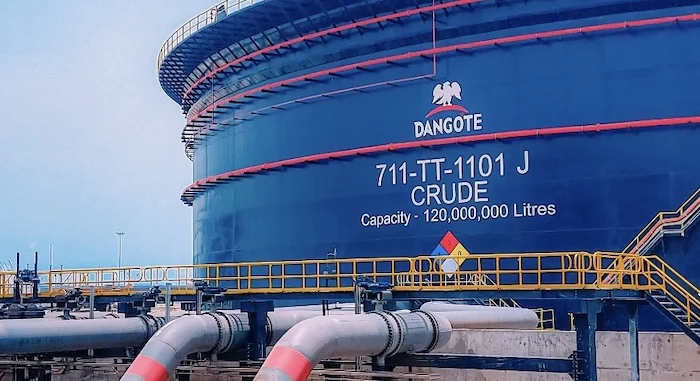
The report also showed that the Dangote Refinery operated at a utilisation rate of 105.98 per cent in September. This implies the facility processed roughly 689,000 barrels of crude per day, against average daily crude receipts of 618,000 barrels.
The gap of about 71,000 barrels per day was drawn from the refinery’s inventory, which indicates that the plant processed more crude than it received during the month.
Even with the September decline, domestic refineries remained the bigger source of petrol supply, contributing about 73.6 per cent of total receipts for the month. Imports made up the other 26.4 per cent.
The September figure also fell below the 13-month average of 49.7 million litres per day recorded between September 2025 and September 2026.
Across that 13-month period, domestic refineries supplied an average of 30.4 million litres per day, representing 61.2 per cent of total supply. Imports contributed 19.3 million litres per day, or 38.8 per cent.
The NMDPRA explained that petrol receipts fell in September because domestic supply dropped 21 per cent below August levels, while imports declined by 30 per cent as approved import permit volumes ran out.