

Nigeria and oil companies operating in the country have reportedly earned about four billion dollars from the surge in crude oil prices triggered by the ongoing United States, Israel and Iran war, which has now entered its seventh week.
The conflict, which began on February 28, has lasted for 52 days as of Tuesday, significantly influencing global oil prices and boosting revenues for oil-producing nations such as Nigeria.
An analysis obtained from the Central Bank of Nigeria showed that before the outbreak of the war on February 28, the average year-to-date price of Nigeria’s Bonny Light crude stood at 70.14 dollars per barrel.
However, further analysis indicated that during the 52-day period of the war, the average price of Bonny Light surged to 116.84 dollars per barrel, representing a sharp increase of 66.6 per cent.
Data sourced from the Nigerian Upstream Petroleum Regulatory Commission revealed that Nigeria’s crude oil production rose to 1.546 million barrels per day in March, up from 1.483 million barrels per day recorded in February.
At the pre-crisis average price of 70.14 dollars per barrel, this level of production over a 52-day period would have generated about 5.64 billion dollars in oil revenue.
However, with the post-crisis average price rising to 116.84 dollars per barrel, the same level of production is projected to yield approximately 9.393 billion dollars within the same 52-day period.
This difference translates to a windfall of about four billion dollars for the Nigerian government and oil firms operating in the country.
Meanwhile, the price of Bonny Light crude increased to 98 dollars per barrel yesterday, up from 95 dollars in the global market, following the collapse of negotiations between the United States and Iran over the weekend.
Crude oil prices had earlier declined to 90 dollars per barrel from 100 dollars last week, as market observers anticipated that the talks would result in an agreement in Islamabad, the capital of Pakistan.
Speaking in an interview with Vanguard Energy, the Chief Executive Officer of Petroleumprice.ng, Olatide Jeremiah, warned that crude oil prices could continue to rise in the coming weeks due to persistent geopolitical tensions and market uncertainties. “From all indications, the price of crude will continue to rise in the coming weeks because of tensions, speculation, and uncertainties in the market. The market will be driven by heightened conflict and instability.
“The impact will not be limited to the upstream segment; it will spill over into the downstream, leading to higher prices of petroleum products, especially Premium Motor Spirit (PMS), also known as petrol. Such increases will also affect transportation costs, as well as the prices of goods and services.”
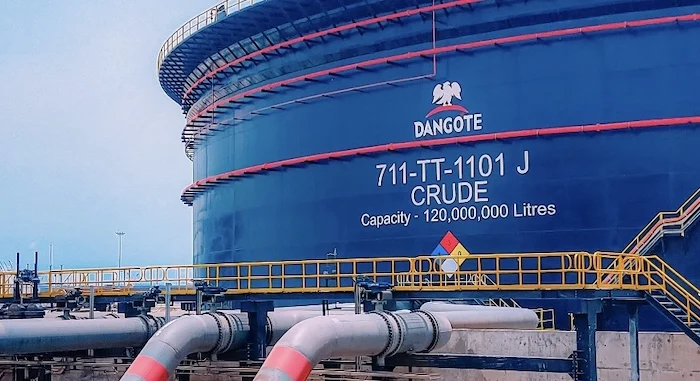
In a similar vein, the National President of the Oil and Gas Services Providers Association of Nigeria, Mazi Colman Obasi, noted that while rising energy costs would have implications for the domestic economy, the effect may be moderated by local refining capacity. “The expected surge in energy costs will impact our domestic economy, but it may not be as severe as it could have been due to the operations of the 650,000 barrels-per-day Dangote Petroleum Refinery.”