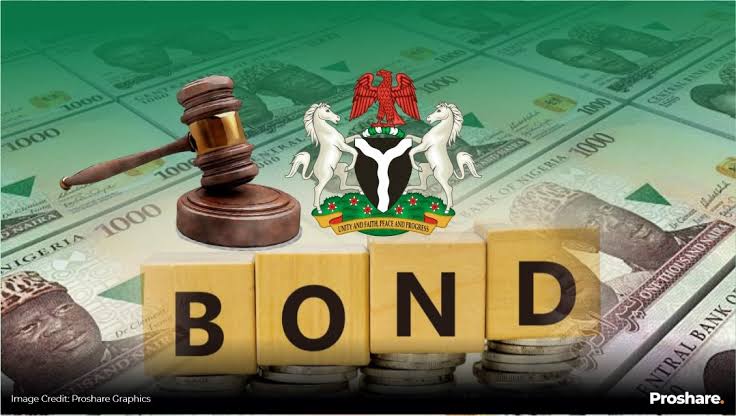
The Federal Government has settled more than N100bn in outstanding gas debts since January 2026 as part of efforts to strengthen Nigeria’s gas-to-power value chain.
The Special Adviser to the President on Oil and Gas, Mrs Olu Verheijen, disclosed this on Wednesday while delivering the keynote address at the Africa Interviews Sustainability Forum 2026 in Lagos.
She said the payments were made under the administration’s Presidential Power Sector Financial Reforms Programme.
Verheijen also highlighted initiatives introduced since 2023 to promote the use of liquefied petroleum gas for domestic cooking.
She said the government had introduced import duty waivers and zero-rated value-added tax on liquefied petroleum gas and gas cylinders to encourage the adoption of cleaner cooking fuels and reduce reliance on firewood.
“A gas-rich nation cannot be comfortable while families remain stuck in the age of firewood,” she said.
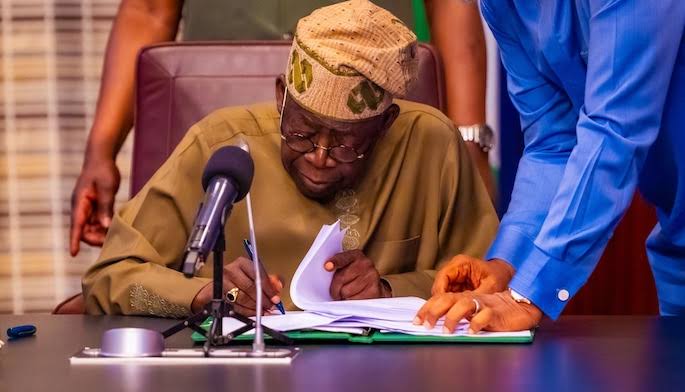
Verheijen attributed the progress in Nigeria’s gas sector to reforms introduced under President Bola Tinubu’s administration to remove investment barriers and unlock the country’s gas resources for industrialisation, power generation and economic growth.
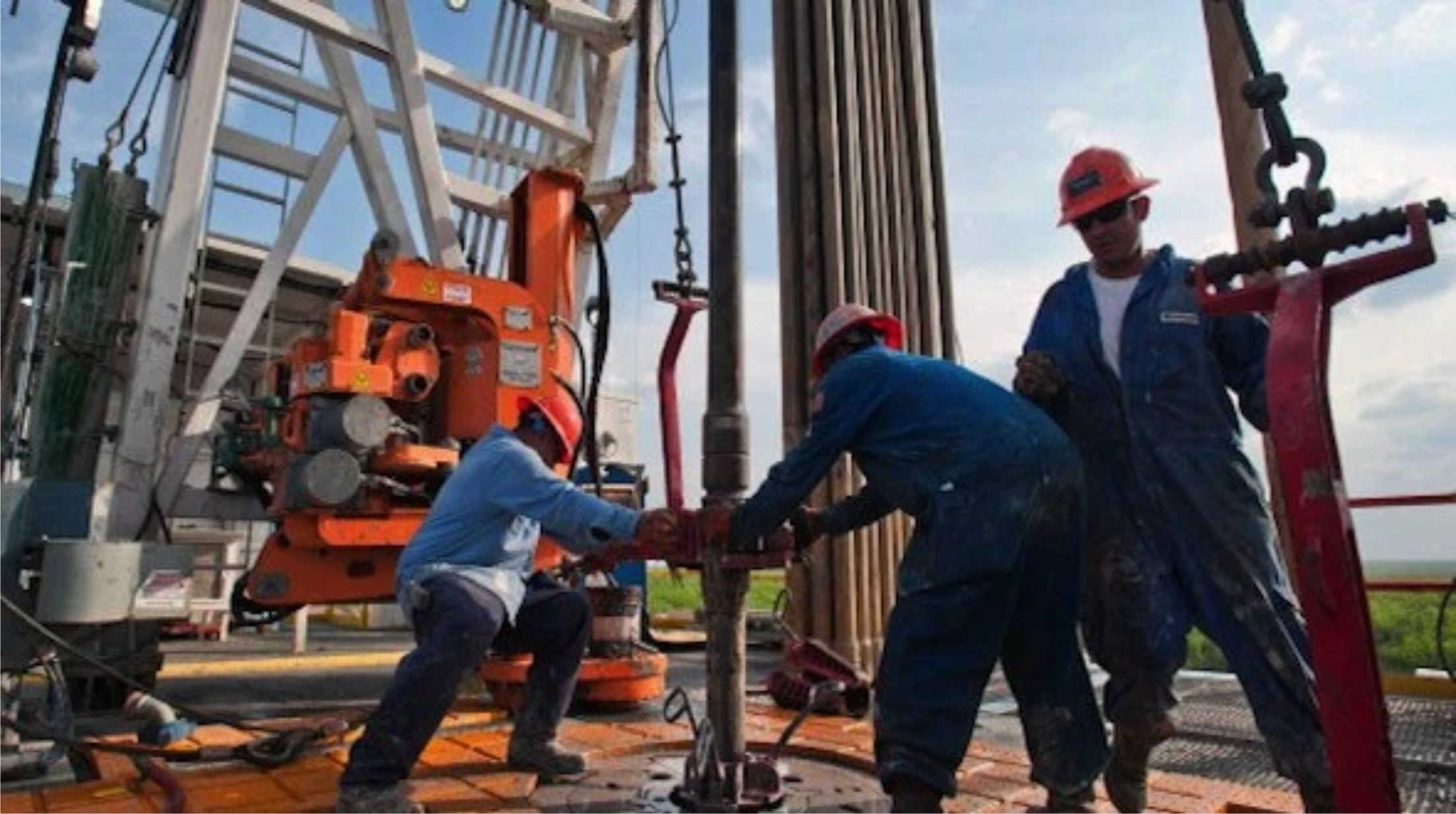
She disclosed that Nigeria had secured four final investment decisions for gas projects in less than two years, while average daily gas production had increased from about seven billion cubic feet to eight billion cubic feet.
Speaking on the country’s gas potential, Verheijen said Nigeria had more than 200 trillion cubic feet of proven gas reserves but noted that abundant resources alone were not enough to guarantee prosperity.
“A country can sit on enormous natural wealth and fail to turn it into energy to power industry, industries that create jobs and jobs that help us grow incomes.
“What turns resources into prosperity is investment, consistent investment that responds to predictable incentives and a stable environment,“ she noted.
The presidential aide said Tinubu had given his administration a clear mandate to tackle the barriers preventing investment from translating Nigeria’s economic potential into tangible growth.
“When President Bola Tinubu assumed office in 2023, he gave us a very clear mandate: understand why investment has not moved at the pace of Nigeria’s potential and fix it,” she said.