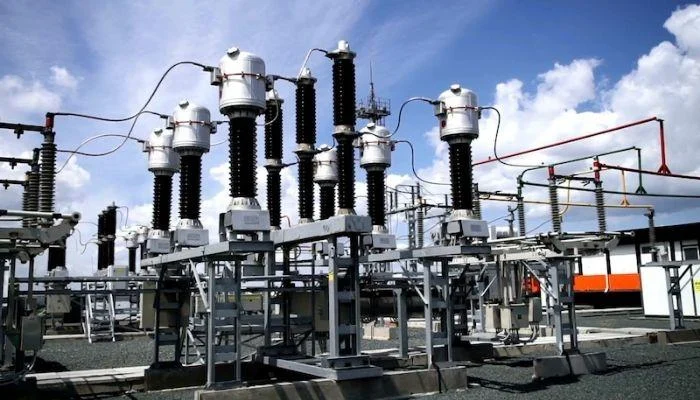
Nigeria’s electricity generation plunged from about 3,840 megawatts to 476.70MW on Monday afternoon, triggering power outages in parts of the country.
Data from the Nigerian Independent System Operator’s portal, niggrid.org, showed that grid generation stood at approximately 3,840MW at 7am before crashing to 476.70MW by 1pm.
Electricity generation remained relatively stable in the morning before dropping sharply around 12:40pm, with most power plants on the national grid reporting zero output.
As of 1pm, only a few generating stations, including Odukpani NIPP, Omotosho and Sapele, were contributing limited amounts of electricity to the national grid.
Major power plants, including Egbin, Jebba, Shiroro and Kainji, recorded zero electricity generation, alongside several gas-fired facilities.
The sharp drop coincided with reports of power outages across parts of the country, as consumers took to social media to complain about electricity interruptions between 12.45pm and 1.20pm.
As of 1.23pm, the NISO dashboard showed real-time generation at approximately 480MW, with only five generating companies recording electricity output.
The figures represented a drop of more than 3,300MW from the level recorded at 7am, raising concerns about the stability of Nigeria’s national electricity grid.
Monday’s development comes amid recurring grid disturbances that have disrupted electricity supply across Nigeria this year, raising concerns about the reliability of power to homes and businesses.
In response, the Federal Government recently approved plans to develop new eastern and western power grids to address recurring failures and strengthen the stability of the country’s electricity transmission system.
However, the Nigerian Independent System Operator dismissed claims of a national grid collapse, insisting that no system-wide disturbance had occurred despite the sharp decline in electricity generation.