



The Federal Government and the Nigeria Labour Congress have disagreed over the commencement of negotiations for a new national minimum wage, with organised labour disputing the government’s interpretation of the law and insisting that preparations for the review should begin immediately.
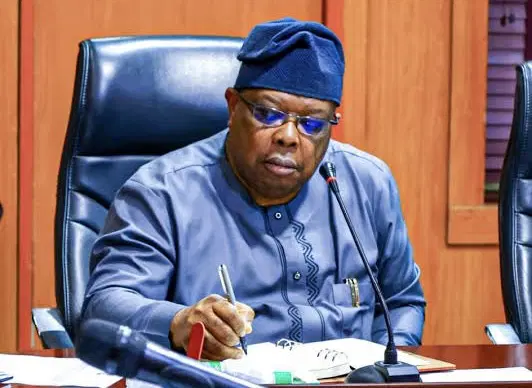
The dispute followed an exchange of letters between the Minister of Labour and Employment, Dr Muhammad Dingyadi, and the NLC President, Joe Ajaero, over the timeline for reviewing the N70,000 minimum wage signed into law in July 2024.
In a letter dated October 13, 2026, Ajaero rejected the government’s position that it was too early to begin a fresh review, arguing that the timeline stipulated in the original National Minimum Wage Act, 2019, remained applicable despite the amendment introduced in 2024.
Ajaero’s response came a day after Dingyadi, in a letter dated October 12, acknowledged receipt of a communique issued following a joint meeting of the NLC’s Central Working Committee and National Executive Council.
The minister maintained that the current minimum wage would become due for review on June 1, 2027. He argued that starting another review barely two years after the implementation of the N70,000 minimum wage would be premature and could disrupt industrial relations.
The latest exchange comes amid mounting pressure from organised labour over the rising cost of living and the declining purchasing power of workers.
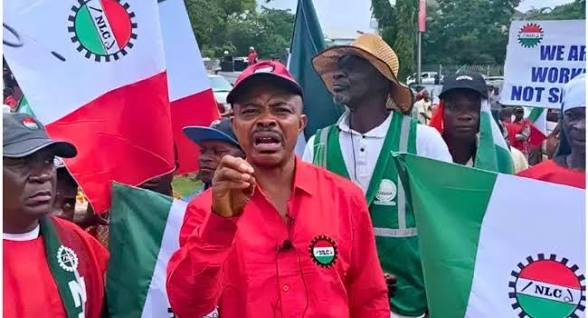
In an Independence Day statement issued on October 1, the NLC called for an immediate reduction in petrol prices, a nationwide wage award and the commencement of negotiations for a new national minimum wage.
The statement, signed by Ajaero and titled “Our Hope Depends on the Choices We Make and the Actions We Take”, highlighted the rising costs of transportation, food, rent and education, which it said had continued to erode workers’ earnings.
The union also called for the implementation of tax relief measures agreed upon with the government in October 2023, arguing that workers should not continue to shoulder the burden of rising living costs without additional support.