


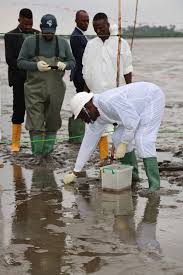
Federal Government officials say marine life and ecological systems have substantially bounced back across the majority of creeks in Ogoni, Rivers State, a development attributed to sustained environmental cleanup operations in the area.
Authorities also launched the second stage of a shoreline restoration and mangrove replanting scheme, part of a broader push to finalize environmental recovery work throughout Ogoniland.
Environment Minister Balarabe Lawal restated the government’s pledge to fully restore Ogoniland, calling the cleanup effort a top national priority under President Bola Tinubu’s administration.
Lawal made these remarks in Bodo City, located in Gokana Local Government Area of Rivers State, at an event marking ten years since the Ogoni cleanup began and unveiling the newly built Ogoni Cleanup Monument.
According to him, the monument will stand as a lasting emblem of government commitment to the Ogoni people.
“Ten years ago in this very place, the flag-off of the Ogoni cleanup took place. Today, we return to affirm that commitment. The monument stands as a permanent reminder of a promise made and a promise kept,” Lawal said.
The minister noted that President Tinubu, soon after taking office, ordered that the project be accelerated, and said current activities under the Hydrocarbon Pollution Remediation Project (HYPREP) demonstrated that determination.
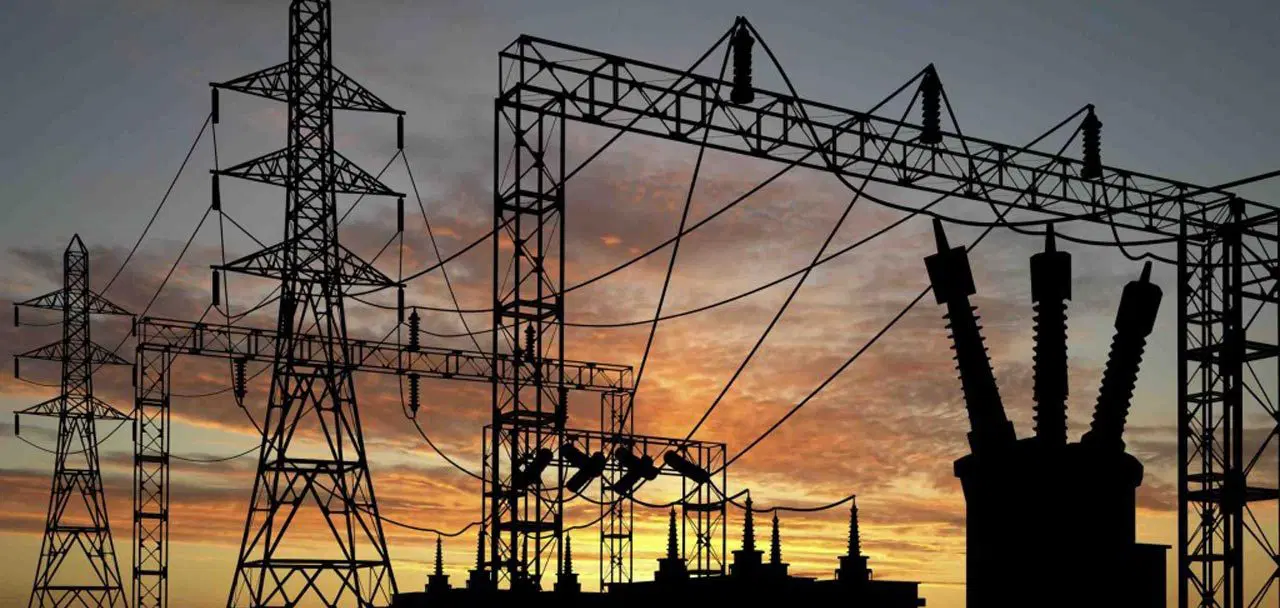
Lawal pointed to several infrastructure projects delivered through the programme, among them the Centre of Excellence for Environmental Restoration, a specialist hospital, a cottage hospital, and the Ogoni Power Project.
He added that notable gains had also been made in cleaning up soil and groundwater, restoring mangroves, running public health initiatives, and supplying clean water to residents.
The minister pointed to the reappearance of marine species in local waterways as proof that the ecosystem was healing.
“One of the most important developments is the evidence of ecosystem recovery. The fish, periwinkles, crabs and shrimps are back. This is vital for the local economy and community livelihoods,” he said.
Speaking on the move into the project’s next stage, Lawal explained that sites requiring simple and moderate levels of remediation had already been cleared, clearing the path for tackling more complex sites alongside the second phase of shoreline cleanup work.
HYPREP Project Coordinator Prof. Nenibari Zabbey described the Ogoni cleanup as the largest oil remediation undertaking anywhere in the world, and called the accompanying mangrove restoration effort the biggest rehabilitation of oil-damaged mangroves on the planet.
“Ten years is a significant milestone, offering all stakeholders an opportunity to reflect on where we started, where we are today and where we are going,” Zabbey said.
He disclosed that as part of the rollout of Phase II of the shoreline cleanup, HYPREP handed out International Maritime Organisation (IMO) and Swim Test certificates to 1,420 workers drawn from local communities.
He said this addition pushes the overall count of direct jobs generated for Ogoni youths and women through the project past 8,500.
Zabbey urged communities along the shoreline to guard the recovering aquatic species against overharvesting and to avoid cutting down mangroves indiscriminately.
He cautioned that regulated harvesting remained essential if the ecological progress achieved so far was to be sustained.
The HYPREP coordinator conceded that the project had encountered setbacks along the way, including disputes among communities, access difficulties and the spread of misinformation, but noted that collaboration among stakeholders had helped resolve many of these problems.