



Nigerian manufacturers spent N1.34tn on alternative electricity sources in 2025, as persistent power outages compelled factories to depend on diesel generators and other off-grid energy solutions to keep production running.
Exclusive data from the Manufacturers Association of Nigeria obtained by The PUNCH showed that manufacturers’ spending on alternative power climbed by about 21 per cent, from N1.11tn in 2024 to N1.34tn in 2025.
The latest rise underscores the growing burden that unreliable electricity supply places on Nigeria’s industrial sector, with manufacturers forced to bear the cost of generating a significant portion of the power needed to keep their plants running.
MAN data showed that spending on alternative electricity has climbed sharply over the past decade, despite fluctuations recorded in some years.
Manufacturers spent N25bn on alternative power in 2014, with the figure rising to N59bn in 2015 and N129.95bn in 2016.
The expenditure declined to N117.4bn in 2017 and dropped further to N93.11bn in 2018 and N61.38bn in 2019.
It rose to N81.91bn in 2020 before falling to N71.22bn in 2021.
However, the cost of alternative electricity began a steep climb from 2022, reaching N144.5bn that year.
The figure then rose to N781.7bn in 2023, before crossing the N1tn mark at N1.11tn in 2024.
By 2025, manufacturers’ alternative power bill had climbed further to N1.34tn.
The situation has stoked concerns about the competitiveness of Nigerian manufacturers, particularly as firms grapple with weak consumer purchasing power and intense pressure on operating margins.
Industry stakeholders have emphasised the need for more reliable grid electricity and greater investment in alternative energy infrastructure to cut manufacturers’ dependence on expensive diesel-powered generation.
“Grid reliability deteriorated significantly, with daily power supply dropping from 16.7 hours in H1 2025 to just 13.1 hours in H2 2025,” MAN, led by Segun Ajayi-Kadir, said.
The PUNCH gathered that many manufacturers no longer rely on the electricity distribution companies, popularly known as DisCos, in their production units or factories, but have deployed gas or LPFO on a regular basis in order to avoid suffering losses arising from power cuts during production activities.
Findings showed that some of the companies that have jilted DisCos in their factories include Flour Mills of Nigeria, Dangote Group, Cadbury, Haffar and Kam Industries.
Others are Nigerian Breweries Plc, Flour Mills of Nigeria Plc, Lafarge Africa, Procter and Gamble Nigeria Limited, Bank of Industry Ltd, Seven-Up Bottling Company Plc, Dangote Cement Plc, Lekki Port LFTZ Enterprise Limited, Guinness Nigeria Plc, Nestle Nigeria Plc, and Aluminium Smelter Company of Nigeria.
Also in the same category are De-United Foods Industries Limited, Sagamu Steel Nigeria Limited, British American Tobacco Nigeria Limited, Unilever Nigeria Plc, Total E & P Nigeria Limited, and Mikano International Limited, according to the Nigerian Electricity Regulatory Commission.
In 2025, Pure Flour Mills Limited, a manufacturer in Rivers State, obtained a licence to generate 546MW, according to the NERC.
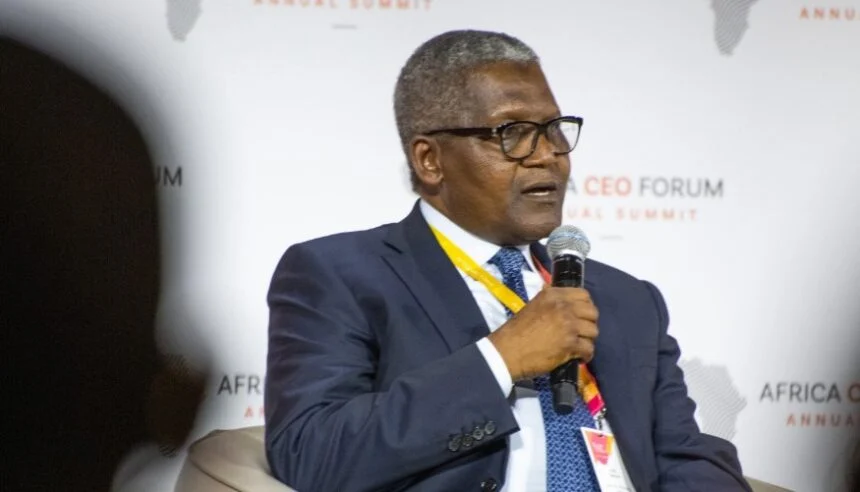
Dangote Industries Limited had generated about 1,500 megawatts of electricity in 2025, according to Aliko Dangote, with the Dangote refinery alone operating a 435MW power plant capable of meeting the total power requirement of the Ibadan Electricity Distribution Company in 2025.
According to NERC, United Cement Company of Nigeria Limited generates 105MW, Flour Mills of Nigeria Plc generates 70MW, and Lafarge Cement Wapco Nigeria Plc generates 90MW.
An earlier survey conducted by a professor of economics at the University of Ibadan, Adeola Adenikinju, showed that manufacturers self-generate 13,223 megawatts of electricity, though analysts say the figures have expanded in the last two years amid the exodus from DisCos.
Several Nigerian factories have shut down due to poor power supply, with Louis Carter, a plastic-making company, among them.
“We had a major challenge with energy costs, which was quite unfortunate. We were also not getting the raw materials we needed,” said the General Manager of Louis Carter Industries, Ndubuisi Okoli.
Mothers Pride Ventures is another such company. It produced thousands of pet bottles, nylon and plastic cans in Asaba for over five years but shut down in 2018 over high production costs.
The Managing Director of the now moribund company, Jimoh Dayo, told the reporter that the company went out of business due to the alleged inefficiency of the Benin Electricity Distribution Company.
“The way DisCos are handling power is not the way it should be. They provide electricity to whoever they want. The privatisation of the power sector (in 2013) should not have been done. Lack of power supply from them destroyed our business.”
The Chief Executive Officer of the Centre for the Promotion of Private Enterprise, Dr Muda Yusuf, said, “Power supply continues to be one of the most binding constraints on industrial productivity. Manufacturers are compelled to self-generate energy at enormous cost, undermining competitiveness and eroding profitability.”
He added, “No manufacturing economy can achieve global competitiveness when power is unreliable, logistics are inefficient and capital is prohibitively expensive.”
He said Nigeria’s industrial future requires a deliberate and sustained commitment to competitiveness.
“Power sector reforms must deliver reliable and affordable electricity. Investments in rail infrastructure must be accelerated to reduce logistics costs. Development finance institutions should be strengthened to provide long-term industrial financing at concessionary rates.”
Manufacturers have on several occasions filed lawsuits against DisCos and the Nigerian Electricity Regulatory Commission over what they described as arbitrary increases in electricity bills.
The recently introduced Band A tariff is driving up their costs further, and manufacturers say it could shut down more factories.
“Moving forward, stabilising macroeconomic conditions, improving energy supply, and ensuring access to affordable financing will be critical for sustaining growth and enhancing industrial productivity,” Ajayi-Kadir said.