





OPEC+ has approved a 188,000 barrels per day increase in oil production quotas for September.
This marks the fourth consecutive monthly output hike as the producer group continues unwinding supply cuts introduced in 2023.
Nairametrics reported that the decision was announced on Sunday following a virtual meeting involving seven key members led by Saudi Arabia and Russia.
The September increase completes, at least on paper, the reversal of one layer of production cuts introduced in 2023, when OPEC+ sought to prevent a global oil glut.
The alliance is also expected to keep production quotas unchanged for the rest of the year after the September increase as it assesses global market conditions.
The latest adjustment extends OPEC+’s gradual strategy of restoring crude supplies to the global market, even as ongoing tensions involving Iran continue to disrupt oil production and exports across parts of the Middle East.
OPEC+ has continued raising production quotas despite the conflict involving Iran because the approved increases have had limited impact on actual oil supply.
Several member countries have struggled to increase production to their permitted levels due to technical constraints, sanctions, and disruptions affecting oil flows through the Persian Gulf and the Strait of Hormuz.
The September increase provides additional flexibility for major Gulf producers, particularly Saudi Arabia, to raise output once regional oil flows normalise.
The alliance is expected to pause further production increases after September, although the plan could still change depending on market conditions and geopolitical developments.
The September increase follows OPEC+’s decision to raise production quotas by 188,000 barrels per day for August, extending the alliance’s phased strategy of gradually returning crude supplies to the market.
The latest adjustment mirrors the increases previously approved for June, July and August, making September the fourth consecutive monthly production increase of the same volume.
The increase also completes, at least on paper, the reversal of two layers of production cuts introduced in 2023, which amounted to about 3.5 million barrels per day excluding the United Arab Emirates’ share.
However, much less of that supply has been restored in reality because many OPEC+ countries lack the capacity to increase production significantly, with Saudi Arabia continuing to hold most of the alliance’s spare production capacity.
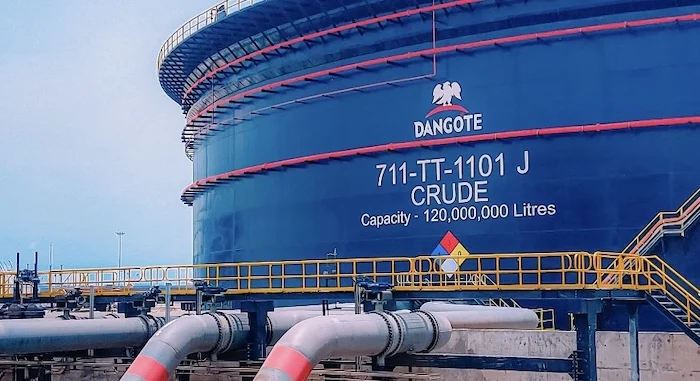
The latest OPEC+ decision comes as Nigeria continues to strengthen its position within the alliance by consistently exceeding its assigned crude oil production quota, a trend that supports the Federal Government’s broader oil production and revenue targets.
According to figures released by the Nigerian Upstream Petroleum Regulatory Commission (NUPRC), Nigeria produced an average of 1.56 million barrels per day of crude oil in June 2026, its highest monthly output since April 2020.
June also marked the second consecutive month that Nigeria surpassed its OPEC production quota after recording average crude production of 1.53 million barrels per day in May.
Before that, the last time the country exceeded its OPEC allocation was in July 2025, highlighting a sustained improvement in output driven by increased production efficiency and stronger efforts to curb crude oil theft.
The OPEC+ production increase is particularly significant for Nigeria because it comes as the country seeks to raise output toward the 1.84 million barrels per day benchmark contained in the 2026 federal budget.
Sustained improvements in production, combined with greater flexibility within OPEC+, could help Nigeria move closer to that target and strengthen oil revenue performance.
The improving production trend is already translating into stronger financial results for the national oil company. NNPC Limited recorded a profit after tax of N535 billion in June 2026, up 15.8 per cent from N462 billion in May, according to its latest monthly financial and operations report.
The company also reported N4.39 trillion in revenue for June, with the profit representing its highest monthly earnings since August 2025.
For Nigeria, the combination of higher crude production, stronger NNPC profitability, and OPEC+’s continued restoration of supply reinforces the government’s strategy of using increased oil output to boost fiscal revenues, support foreign exchange earnings, and improve its chances of meeting the production assumptions underpinning the 2026 budget.