


Nigeria is set to reduce the cost of digital infrastructure expansion through a new partnership between the Nigerian Communications Commission and the Rural Electrification Agency that integrates renewable energy projects with telecommunications networks.
The two agencies signed a memorandum of understanding on July 24 to coordinate the deployment of energy and telecom infrastructure, with a strong emphasis on leveraging renewable energy solutions to expand connectivity in underserved and unserved communities.
According to a statement signed on Tuesday by the NCC’s Director of Public Affairs, Mrs. Nnenna Ukoha, the agreement establishes a framework for joint planning, infrastructure sharing, and data exchange between both agencies to accelerate the rollout of sustainable digital infrastructure.
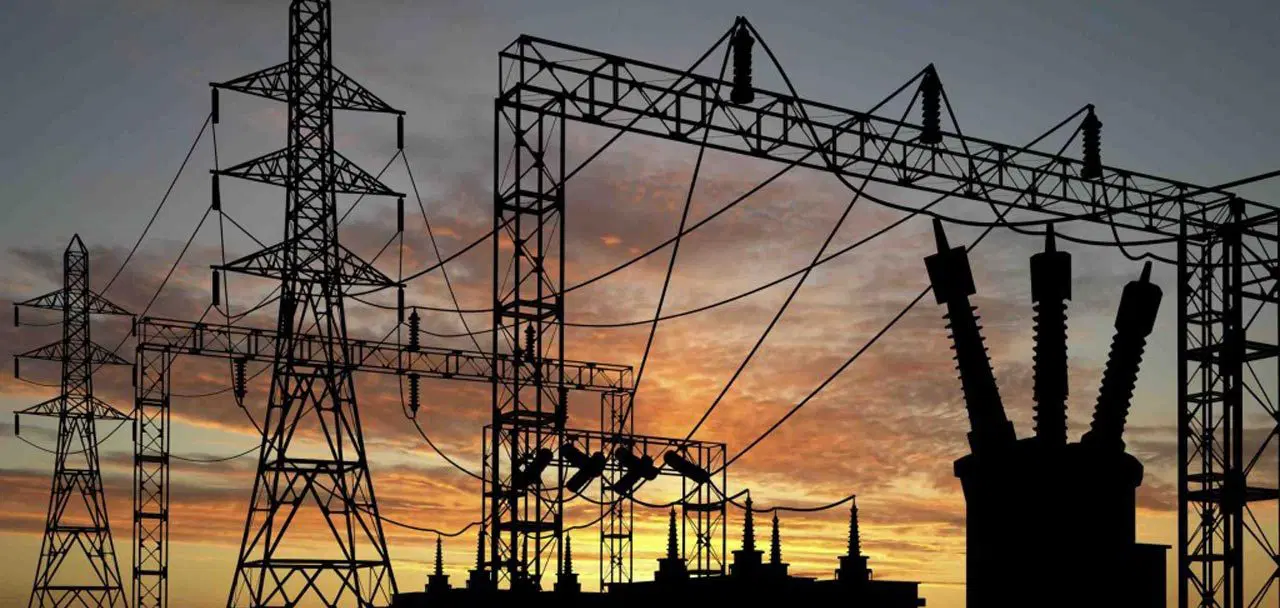
The partnership comes as telecommunications operators grapple with rising operating costs, driven largely by their reliance on diesel-powered generators to keep base stations running in areas with unreliable electricity supply. The initiative aims to reduce those costs by integrating renewable energy solutions into telecom infrastructure, particularly in underserved communities.
Under the agreement, the Rural Electrification Agency will provide geospatial data on existing and planned electrification projects, while the Nigerian Communications Commission will share information on broadband deployments under its Universal Service Provision Fund programme. The shared data will be used to identify communities facing both electricity and connectivity deficits, enabling coordinated infrastructure planning.
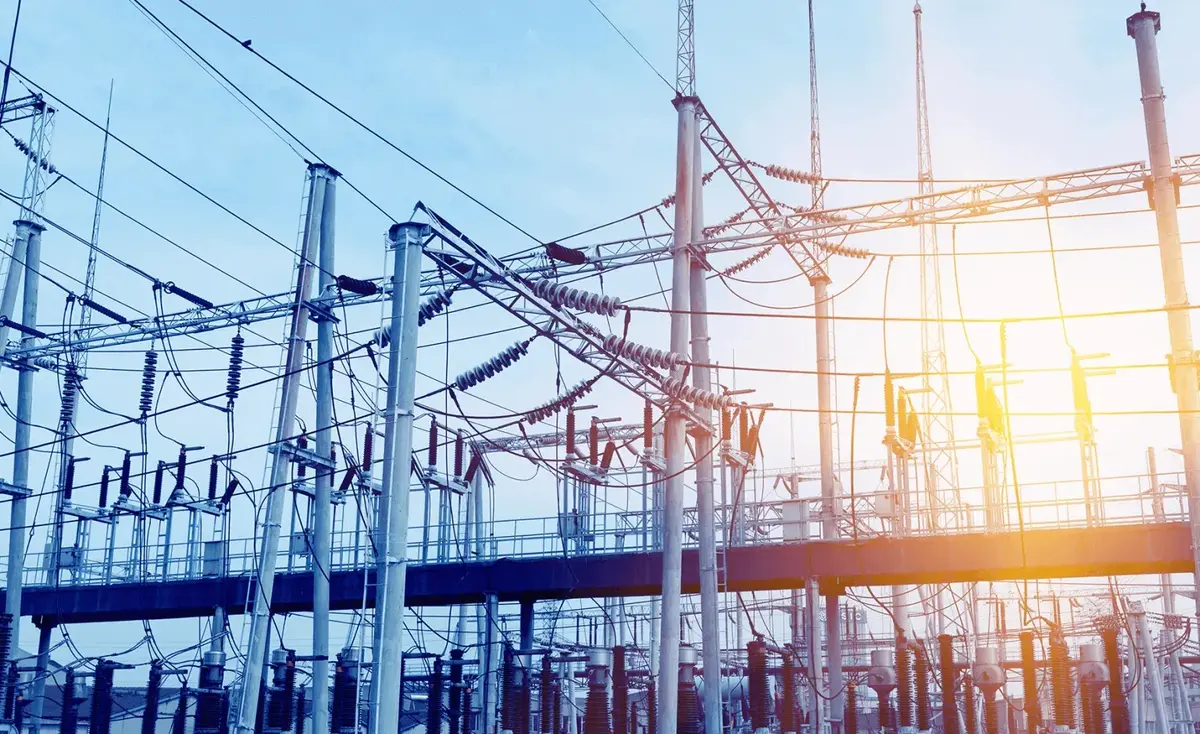
The partnership will also explore the integration of renewable energy projects developed by the REA to power telecommunications infrastructure, including base stations and fibre repeater sites. In addition, both agencies will assess opportunities for telecom operators to install network equipment on REA-developed energy infrastructure where technically and commercially viable.
Representing the Executive Vice-Chairman of the Nigerian Communications Commission, Aminu Maida, at the signing ceremony, the commission’s Executive Commissioner for Technical Services, Abraham Oshadami, said reliable energy supply and digital connectivity are closely interconnected, stressing that expanding broadband access depends on sustainable power infrastructure.
“Reliable electricity and digital connectivity are not two separate development goals. They are mutually reinforcing foundations of the same objective that produces an inclusive and productive economy,” he said.
The NCC noted that communities lacking reliable electricity often face challenges in sustaining telecommunications infrastructure, while those without adequate connectivity are unable to fully harness the economic and social benefits of electrification projects. It said addressing both gaps simultaneously would improve the effectiveness and long-term impact of infrastructure investments.
For the Rural Electrification Agency, the partnership offers an opportunity to extend the commercial application of renewable energy beyond household electrification. The agency’s Executive Director for Technical Services, Umar Abdullahi Umar, said renewable energy mini-grids could provide a cleaner and more cost-effective alternative to diesel-powered telecommunications sites, while opening new commercial opportunities for energy developers and telecom operators.
“Reliable power and universal connectivity are not competing priorities. They are the same priority, approached from two directions,” he said.
The agreement was unveiled at the NCC–REA Stakeholder Workshop in Abuja, themed “Unlocking the Energy–Telecoms Nexus for Scalable Digital Infrastructure in Nigeria,” which brought together telecommunications operators, tower companies, renewable energy developers, financiers, policymakers, and other government stakeholders to discuss strategies for accelerating digital infrastructure deployment.
The partnership aligns with broader government efforts to expand broadband penetration, strengthen rural infrastructure, and drive the growth of Nigeria’s digital economy. By integrating telecommunications and renewable energy planning, the regulators aim to lower infrastructure deployment costs, eliminate key rollout bottlenecks, and enhance the long-term sustainability of connectivity projects, particularly in underserved communities.