




Stakeholders have called on the Federal Government to commence a fresh competitive bidding process for the proposed sale of a 40 per cent stake in the Amukpe–Escravos Pipeline, rejecting moves to revive an earlier transaction that was previously terminated.
They also urged the government to conduct a new valuation to determine the current market value of the asset, warning that the handling of the sale could significantly influence investor confidence in Nigeria’s oil and gas sector.
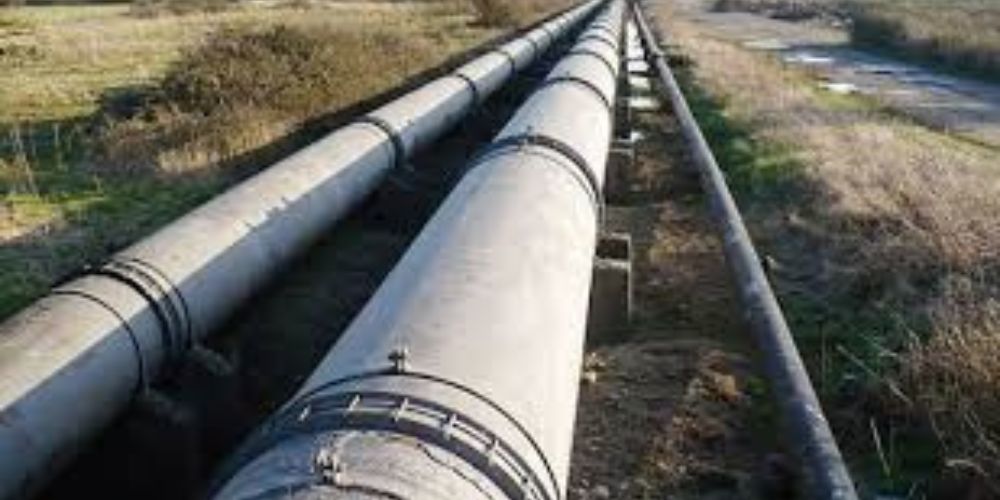
The Amukpe–Escravos Pipeline, which stretches from Amukpe in Delta State to the Escravos export terminal in Warri, is jointly owned by Pan Ocean Oil Corporation, with a 40 per cent interest, and NNPC Exploration & Production Limited, which holds the remaining 60 per cent.
The pipeline, which has a transportation capacity of about 160,000 barrels of crude oil per day, has served as a key evacuation route in the western Niger Delta since it began operations in 2022, maintaining reported operational uptime of more than 95 per cent.
Findings showed that the proposed sale of Pan Ocean Oil Corporation’s 40 per cent stake forms part of a debt restructuring and recovery arrangement involving lenders and the Asset Management Corporation of Nigeria, with proceeds from the transaction expected to offset outstanding debts.
However, the planned divestment has been mired in controversy, with disagreements over the asset’s valuation and the history of the transaction complicating the sale process.
It was gathered that an earlier deal for the acquisition of the 40 per cent stake, valued at about $243m, collapsed in October 2024 after the prospective buyer allegedly failed to fulfil its payment obligations and other commercial conditions attached to the transaction.
Concerns have since emerged over reported attempts to revive the sale using valuation benchmarks from the failed transaction, with stakeholders arguing that the asset should instead undergo a fresh valuation before any new divestment process proceeds.
An independent valuation reportedly carried out in 2025 placed the value of the 40 per cent stake at between $544m and $641m, significantly higher than the earlier transaction value of about $243m.
The wide valuation gap has drawn criticism from industry stakeholders, who warned that selling the asset below its current market value could undermine national economic interests and erode investor confidence in Nigeria’s regulatory and commercial framework for the oil and gas industry.
Speaking in a recent interview on national television, the Managing Director of Policy Management Consult Services, Jide Olatuyi, said reported attempts to revive the failed transaction had raised wider concerns over governance, transparency and the credibility of Nigeria’s investment climate.
“What stakeholders are saying is that there is a need for a new competitive bidding process rather than attempting to revive a dead transaction,” Olatuyi said.
He dismissed suggestions that opposition to the proposed transaction was motivated by sentiment or commercial rivalry, insisting that the issue was fundamentally one of governance, transparency and adherence to due process.
“I don’t think it is about sentiment at all. It is about governance in the oil and gas sector,” he stated.
Olatuyi added that several stakeholders, including project lenders such as Sterling Bank and the Asset Management Corporation of Nigeria, had called for a transparent divestment process that reflects current market conditions and updated valuations of the asset.
He urged the authorities to ensure that any future sale of the asset is carried out through an open, transparent and competitive bidding process that promotes investor confidence, upholds due process and protects public value.