



Apple Inc. has been forced to respond to the global memory chip shortage, raising prices on several MacBook and iPad models to offset surging costs for memory and storage components.
The price increases, announced on Thursday, do not affect Apple’s flagship iPhone lineup, underscoring the company’s determination to keep its most important product competitively priced.
Investors reacted negatively to the move, with Apple shares falling more than 4 per cent in early trading as concerns mounted over the impact of rising component costs on the company’s margins and consumer demand.
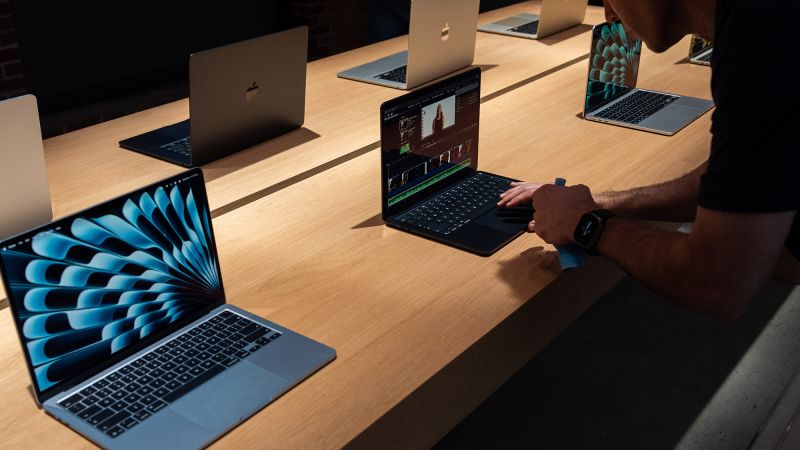
Apple implemented significant price increases across its MacBook and iPad lineup, with the entry-level MacBook Neo rising from $599 to $699 and the MacBook Air increasing from $1,099 to $1,299. The Neo’s affordability has been a key selling point, making the $100 price hike a potential challenge for attracting budget-conscious consumers.
Higher-end models also saw notable increases. The 14-inch MacBook Pro climbed from $1,699 to $1,999, while the 16-inch version rose from $2,699 to $2,999.
Apple’s tablet range was not spared, with the 11-inch iPad Air increasing in price from $599 to $749.
The 13-inch iPad Air also became more expensive, with its price increasing from $799 to $949.
Apple raised prices across its premium tablet range as well. The 11-inch iPad Pro now costs $1,199, up from its original price of $999, while the 13-inch iPad Pro has climbed to $1,499 from $1,299.
Apple had been signalling for months that price increases were likely. During the company’s May earnings call, Chief Executive Officer Tim Cook warned that soaring memory and storage costs were putting additional pressure on profit margins.
Speaking in an interview with the Wall Street Journal, Cook said the decision to raise prices was “unavoidable,” reflecting the growing impact of higher component costs on the technology giant’s business.
Apple is not alone in grappling with the effects of the global memory shortage. Major technology companies, including Microsoft and other PC manufacturers, as well as several smartphone makers, have increased prices for laptops, desktops and other devices as component costs continue to climb.
The impact has also spread to the gaming industry. Console manufacturers Nintendo, Microsoft and Sony have raised prices for their gaming systems, with some models now selling for significantly more than their original launch prices.