


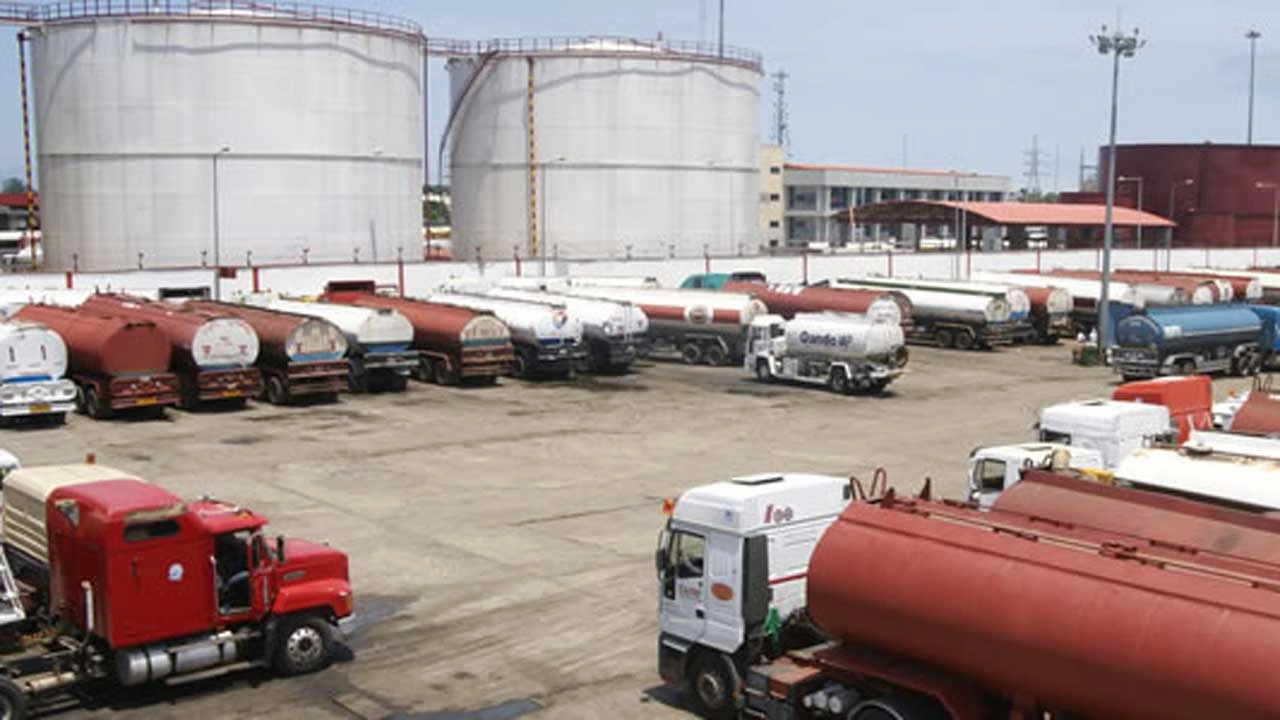




A senior official of the Federal Ministry of Petroleum Resources has dismissed allegations that locally produced cooking gas is being exported for foreign currency earnings at the expense of Nigerian consumers, maintaining that the federal government’s ban on Liquefied Petroleum Gas exports remains in effect despite concerns over rising prices and supply shortages.
The clarification comes amid complaints from cooking gas retailers who claim that some domestically produced LPG is being diverted to buyers in other West African countries, where sellers can secure higher profits than in the local market.
Speaking, the Chairman of the Liquefied Petroleum Gas Retailers Association, Ayobami Olarinoye, argued that persistent cooking gas scarcity and elevated prices have been exacerbated by inadequate product supply and allegations that a local refinery is exporting part of its LPG output, according to The Punch.
However, the spokesperson for the Minister of State for Petroleum Resources (Gas), Louis Ibah, has rejected the allegation, stating that the Federal Government’s ban on LPG exports remains in force and is being strictly enforced by the Nigerian Midstream and Downstream Petroleum Regulatory Authority.
“The ban on exports of LPG announced by the Minister of State for Petroleum Resources (Gas), Dr Ekperikpe Ekpo, is still in place to stabilise prices and is strictly enforced by the NMDPRA,” Ibah told The PUNCH on Thursday.
Ibah stressed that local producers are prohibited from exporting cooking gas, noting that current efforts are focused on ensuring adequate supplies of the product for the domestic market and meeting the needs of Nigerian consumers.
“It’s important to note that none of our producers are currently exporting the LPG meant for cooking in Nigeria, so all resources are focused on meeting our local needs,” he said.
The government’s clarification comes amid growing concerns over rising cooking gas prices and supply constraints in several parts of the country. Retailers and consumers have reported persistent challenges in accessing the product, while prices have continued to climb, placing additional pressure on households and businesses.
Olarinoye said product availability has become increasingly constrained in recent weeks, making it more difficult for retailers to secure supplies.
“Getting the product has been excruciatingly difficult, and it is not readily available. Out of every 10 plants, only one or two would have products to sell to our members. Many of them, especially those situated in relatively residential areas, prefer to sell directly to end-users, while a few are still selling to retailers,” he stated.
He warned that cooking gas prices are unlikely to ease in the near term without measures to address the supply challenges.
“The high price may remain the way it is until the situation changes positively,” the LPGAR boss noted.
Olarinoye urged the Federal Government to introduce policies and incentives that would attract more investment into the LPG sector, arguing that increased participation by investors would help expand local supply and improve product availability across the country.


