




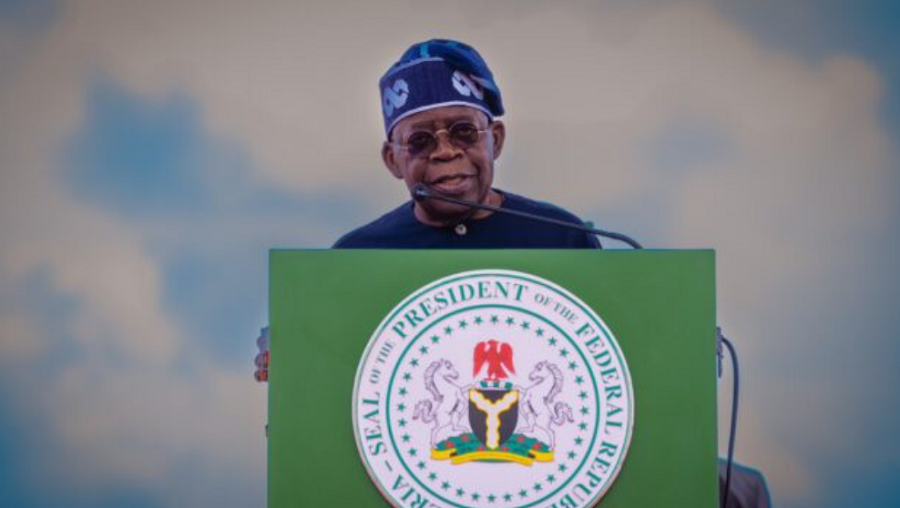



The Federal Government has pledged to strengthen fiscal reporting, budget transparency, and data integrity in line with recommendations from the International Monetary Fund, while welcoming the Fund’s broadly positive assessment of Nigeria’s ongoing economic reforms.
The Minister of Finance and Coordinating Minister of the Economy, Taiwo Oyedele, disclosed this in a statement issued on Tuesday following the release of the IMF’s 2026 Article IV Mission Concluding Statement on Nigeria.
According to the minister, the government has already commenced reforms aimed at improving the quality of fiscal data, strengthening coordination across government institutions, and enhancing transparency in budget implementation.
He said, “We note the IMF’s recommendations regarding fiscal reporting, budget transparency, and data reconciliation. The government is already taking steps to strengthen fiscal data integrity, improve coordination among relevant institutions, enhance transparency in budget execution, and deepen public financial management reforms.”
Taiwo Oyedele added that efforts were ongoing to strengthen fiscal reporting systems and ensure that Nigeria’s economic and fiscal data complied with international standards.
The government’s response came after the IMF concluded that reforms implemented over the past two and a half years had enhanced macroeconomic stability and improved the country’s resilience to external shocks.
According to the minister, the Fund also acknowledged progress in the foreign exchange market, growth in external reserves, ongoing fiscal and revenue reforms, the stability of the banking sector, and improvements in broader macroeconomic indicators.
“The report provides further independent validation that the bold and necessary reforms undertaken under the leadership of President Bola Ahmed Tinubu are strengthening macroeconomic stability, restoring confidence, and laying the foundation for sustainable and inclusive growth,” he said.
The Federal Government particularly welcomed the IMF’s acknowledgement of key reforms, including the removal of fuel subsidies, the cessation of deficit monetisation, the liberalisation of the foreign exchange market, and measures aimed at strengthening fiscal discipline.
According to the statement, the Fund noted that these reforms had reduced economic vulnerabilities, improved investor confidence, and enhanced Nigeria’s capacity to withstand external economic shocks.
The minister also referenced recent geopolitical tensions in the Middle East, which have raised concerns about global energy prices, food inflation, and tighter financial conditions, noting that Nigeria has remained relatively resilient amid these pressures.
He said the IMF recognised the country’s ability to absorb the impact of rising global energy costs, pointing out that the foreign exchange parallel market premium had stayed below five per cent, sovereign spreads had remained largely stable, and overall investor confidence had been sustained.


