
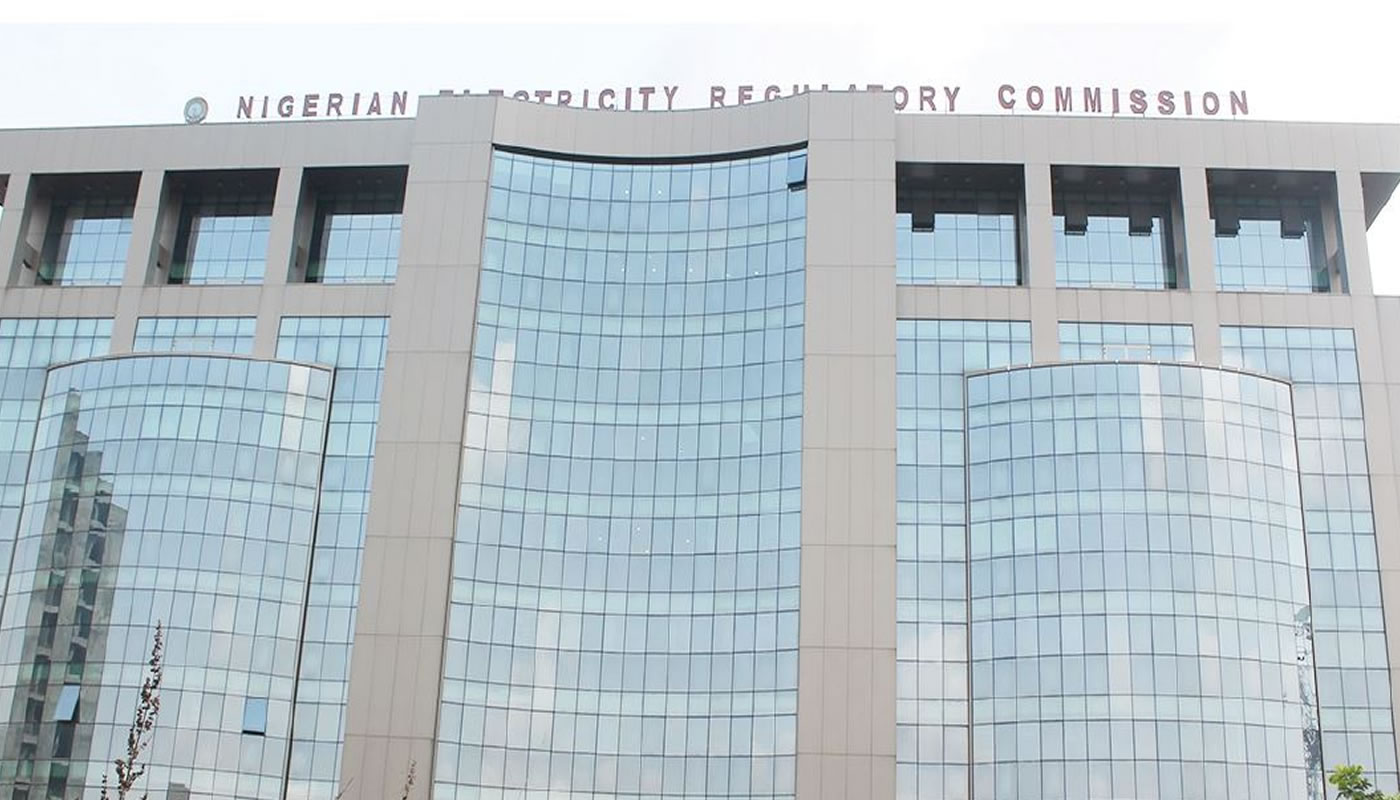
Electricity Distribution Companies in Nigeria generated approximately N600bn in revenue during the first quarter of 2026, according to the latest industry data released by the Nigerian Electricity Regulatory Commission.
The figures showed that the power distribution companies collected a total of N597.55bn between January and March 2026, despite ongoing challenges facing the country’s electricity sector.
According to NERC’s commercial performance factsheets, the DisCos recorded revenue collections of N204.74bn in January, N196.68bn in February and N196.13bn in March, bringing total first-quarter collections to N597.55bn. The amount represents an average monthly revenue of about N199.18bn.
The regulatory commission’s reports revealed varying levels of commercial performance among the 11 electricity distribution companies operating in the country. While some firms improved their billing and collection efficiencies during certain months, the overall performance remained mixed, with substantial revenue losses recorded throughout the quarter.
In January, the DisCos issued total bills worth N268.20bn but were only able to recover N204.74bn. This left N63.46bn in uncollected revenue for the month. Billing efficiency was recorded at 79.72 per cent, while collection efficiency stood at 76.34 per cent.
For February 2026, total billings amounted to N242.29bn, while collections reached N196.68bn. The difference resulted in N45.61bn in unpaid bills. During the month, billing efficiency improved to 87.44 per cent, while collection efficiency was recorded at 81.17 per cent.
In March, electricity distributors billed customers a total of N246.43bn but recovered only N196.13bn. This translated into N50.30bn in uncollected revenue during the month.
The March performance report showed billing efficiency at 83.89 per cent, while collection efficiency stood at 79.59 per cent.
The NERC reports also highlighted the continued challenge of significant volumes of unbilled energy across the electricity distribution network during each month of the quarter.
Among the distribution companies, Eko Electricity Distribution Company and Ikeja Electricity Distribution Company consistently ranked among the strongest performers in terms of revenue recovery and operational efficiency.
Eko DisCo particularly stood out in February when it achieved a recovery efficiency rate of more than 100 per cent.
On the other hand, Kaduna Electricity Distribution Company and Jos Electricity Distribution Company remained among the weakest performers, recording relatively low collection and recovery rates throughout the review period.
In February, Kaduna DisCo posted a recovery efficiency rate of only 41.20 per cent, making it one of the poorest-performing distribution companies during the quarter.
The NERC data, which tracks energy received, energy billed, total billings, revenue collections and recovery efficiency, offers insight into the commercial health and viability of Nigeria’s privatised electricity distribution companies.
Despite the significant revenue generated by the DisCos, electricity consumers across the country have continued to complain about high tariffs, recurring power outages and what many describe as poor service delivery.
During the first quarter of 2026, Nigerians experienced a prolonged electricity crisis caused largely by gas supply constraints, which led to a sharp decline in power generation. Available generation reportedly fell from about 4,000 megawatts to below 2,000 megawatts at certain periods.
Industry stakeholders have repeatedly advocated for accelerated metering programmes, stricter measures against energy theft and improved customer service as part of efforts to boost revenue collection and enhance operational efficiency.
Findings also indicated that persistent sector challenges, including infrastructure deficits and liquidity constraints, continue to limit the ability of distribution companies to convert all energy supplied into actual revenue.
Operational data released by the Nigerian Independent System Operator during the quarter illustrated the extent of the problem facing the generation segment of the electricity industry.
According to the data, thermal power plants require an estimated 1,629.75 million standard cubic feet of gas per day to operate at optimal capacity. However, as of February 23, 2026, actual gas supply was approximately 692.00 million standard cubic feet per day, representing less than 43 per cent of the volume required for full operations.
The decline in gas supply during the first quarter forced several power generation plants to shut down operations, while the Transmission Company of Nigeria resorted to load shedding in order to ration the limited electricity available among the distribution companies.
On various communication platforms, the DisCos repeatedly appealed to customers for understanding, attributing the persistent power outages to inadequate gas supply affecting electricity generation.
Despite the challenges recorded during the quarter, some Nigerians have reported noticeable improvements in electricity supply in recent weeks, raising hopes of a gradual recovery in the sector.