



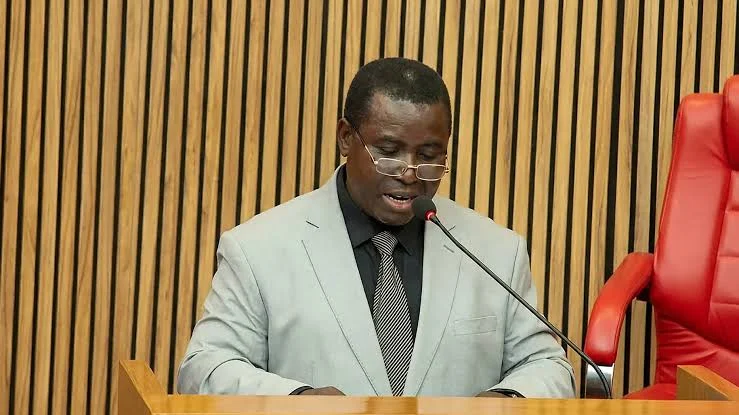


The Governor of the Central Bank of Nigeria, Olayemi Cardoso, has said that Nigeria now has adequate economic buffers to absorb inflationary pressures triggered by the ongoing conflict in the Middle East.
Speaking in Abuja on Tuesday after the 305th Monetary Policy Committee meeting, Cardoso explained that the recent uptick in inflation was largely driven by external shocks, including geopolitical tensions and rising global energy costs.
He added that policy actions taken by the apex bank have strengthened the economy’s resilience, expressing confidence that inflation will resume a downward trajectory in the near term.
“We believe that what we have now is something that has resulted from external shocks. But notwithstanding that, we have been able to create buffers that have protected us during this period.
“We have consistently been on the path of disinflation. This, we believe, is temporary, and in due course we should go back to the trend we had embarked upon.
“It is key that the centrepiece of our toolkit, which is ensuring that the foreign exchange rate remains stable, remains intact,” Cardoso said.
He also noted that the recent sovereign rating upgrade by Standard & Poor’s signals increasing confidence in Nigeria’s policy direction and ongoing reform efforts.
The CBN Governor emphasized that the apex bank would continue implementing policies aimed at safeguarding macroeconomic stability and reducing the pass-through effects of inflation.
The Central Bank noted that recent inflation and other economic indicators suggest some moderation in underlying price pressures, even though headline inflation has risen.
Nigeria’s headline inflation rose to 15.69 per cent in April 2026, up from 15.38 per cent in March.
Food inflation also climbed to 16.06 per cent in April from 14.31 per cent in March, driven largely by higher transportation and logistics costs.
However, core inflation eased to 15.86 per cent from 16.21 per cent, pointing to a slight easing in underlying inflationary pressures.


