



The Nigerian Independent System Operator has sounded the alarm over what it called widespread electricity theft along the Ikorodu–Sagamu transmission corridor in Lagos and Ogun states, revealing that about 180 megawatts of power is being lost to illegal consumption by large customers.
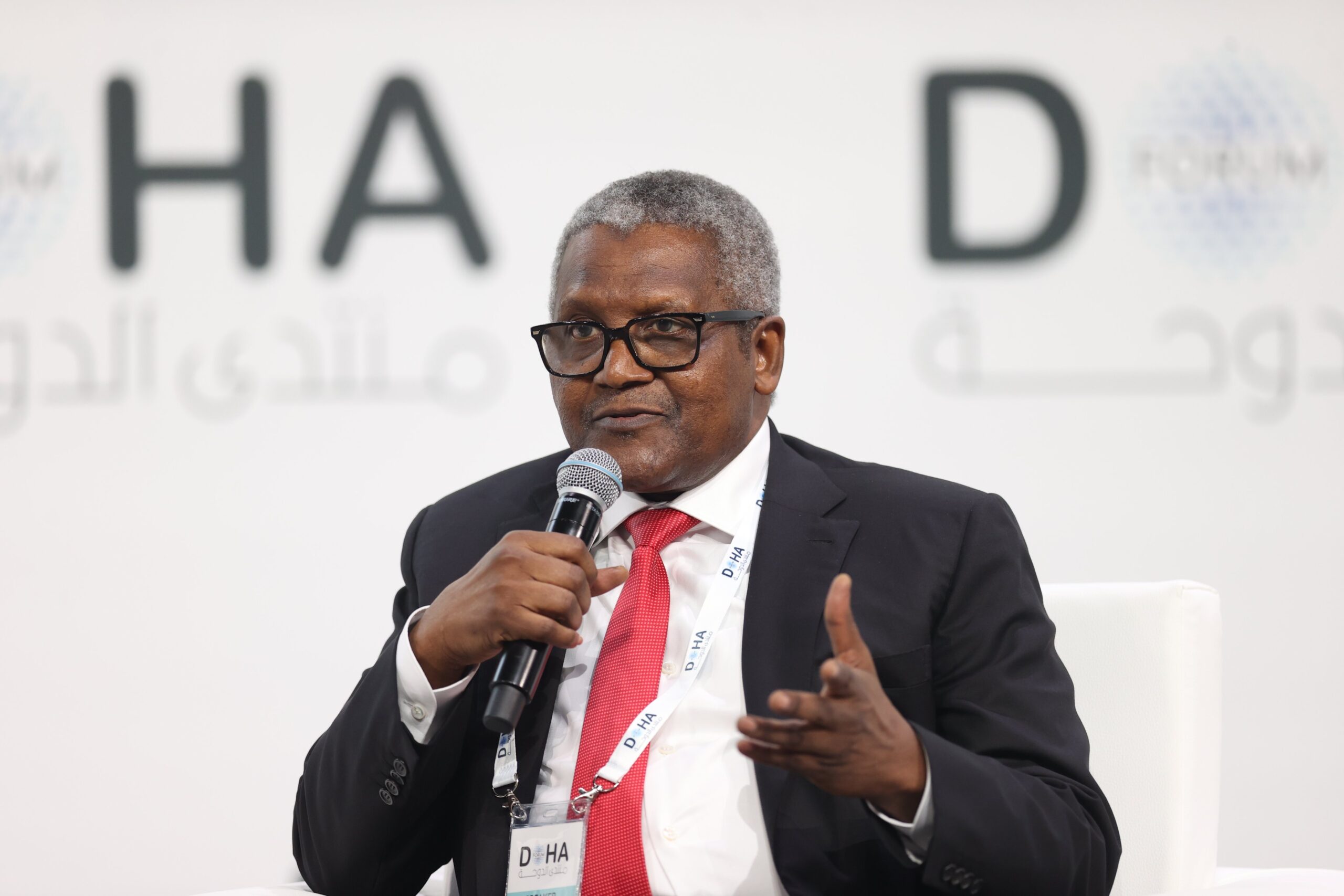
NISO’s Managing Director, Abdu Mohammed Bello, made the disclosure at a recent stakeholders’ meeting in Lagos attended by distribution companies, generation companies, eligible customers, and major users connected to the Ikorodu–Sagamu 132kV double-circuit transmission lines.
Bello stated that investigations by the system operator revealed extensive electricity theft and meter tampering along the transmission corridor, with some large customers linked to Ikeja Electricity Distribution Company and Ibadan Electricity Distribution Company implicated.
He described the scale of losses on the line as disturbing, warning that it now poses a serious risk to grid stability and the financial health of the electricity market.
“We discovered that the Ikorodu-Sagamu 132kV double-circuit line has a lot of very serious theft issues. The magnitude of the thefts is unimaginable. The theft along that line is close to 180MW. So you can imagine losing 180MW, which is almost equivalent to the daily allocation of Jos Electricity Distribution Company,” Bello said.
He noted that the findings led to consultations with the Nigerian Electricity Regulatory Commission, which subsequently endorsed NISO’s efforts to curb the menace.
“So we decided to carry out investigations, and based on our findings, we consulted the regulator of the power sector, the Nigerian Electricity Regulatory Commission, and we made a presentation to them. They saw the magnitude of it and now supported us that we should take further steps towards addressing this serious menace in the system,” he stated.
Bello added that the Ikorodu–Sagamu corridor has been designated as a pilot project for a wider clampdown on electricity theft across the national grid.
“We have taken the Ikorodu-Sagamu line as a pilot project because it’s not only that corridor that is having that kind of challenge. Other corridors, too, will be dealt with as soon as we are able to deal with this. We have a standard model framework that we’re going to use to address these steps,” he noted.
To stem the losses, Bello said NISO had rolled out new directives to generation companies, distribution companies, and eligible customers. He noted that the measures mandate strict adherence to minimum off-take obligations, proper meter classification, and compulsory recalibration of metering equipment by the Transmission Company of Nigeria.
“We have designed a control measure we’re going to put in place to stop that leakage in that transmission corridor. This will support our operational management of the national grid and make more power available to Nigerians and more revenue available for the electricity market.
“The operators should ensure minimum off-take compliance for eligible customers and also metering classification in line with the provisions of the Eligible Customer Regulations, 2024, and also in line with the metering code.
“For the eligible customers, NISO directed an immediate recalibration of the metering instrument, the current transformers, and the voltage transformers, which shall be done by the Transmission Company of Nigeria,” he stated.


