






The Federal Government has unveiled simplified guidebooks and toolkits to strengthen Nigeria’s engagement in the African Continental Free Trade Area streamline trade processes, and drive non-oil export growth.
Published in English, Arabic, and Hausa, the materials are intended to deepen inclusivity and equip Nigerian businesses to tap into opportunities across the continental market.
The Minister of Industry, Trade and Investment, Dr. Jumoke Oduwole, launched the initiative on Monday in Kano at the North-West Subnational Tour and Public-Private-Press (P3) engagement on AfCFTA implementation.
Oduwole said the toolkits are tailored to break down complex trade regulations—such as rules of origin, customs processes, standards compliance, and market entry requirements—especially for Small and Medium Enterprises.
She stressed that the initiative is aimed at making trade more practical and accessible by removing bureaucratic export bottlenecks.
Oduwole added that key regulatory agencies would be on ground in Kano to deliver critical services such as business registration, product certification, and issuance of certificates of origin for exporters.
She also revealed plans for live export simulations and practical training sessions for businesses, as well as the rollout of the “One Local Government, One Export Product” initiative aimed at boosting production at the grassroots level.
“We want every local government to identify at least one product they can export to Africa. We are making the process easy and immediate,” Oduwole said.
She also noted Nigeria’s recent gains under the AfCFTA, such as the inauguration of an air cargo corridor that reduced freight costs by approximately 75 per cent across selected African routes.
Nigerian products, including food items, textiles, and processed goods, are increasingly in demand across African markets, she added.
Last month, the AfCFTA Secretariat named Nigeria as the pilot country for the rollout of its Simplified Trade Regime in West Africa.
The framework is designed to ease cross-border trade for small-scale traders by streamlining procedures, improving access to regional markets, and strengthening economic integration across the continent.
According to Nigeria Customs Service spokesperson, Abdullahi Maiwada, Nigeria’s support for small-scale traders is vital to boosting intra-African trade and addressing the barriers created by complex customs processes and high transaction costs.
A delegation from the AfCFTA Secretariat, led by Pedro Estevao, visited Nigeria to engage with the NCS and fast-track the implementation of the STR) at the NCS headquarters in Abuja.
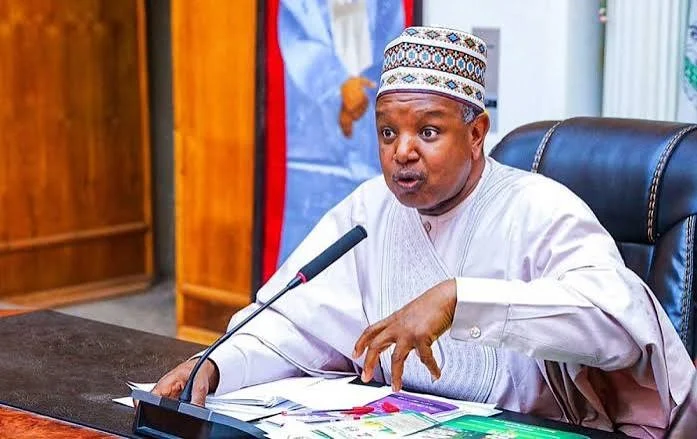
Governor Abba Kabir-Yusuf of Kano described the state as Africa’s historic commercial centre and a strategic gateway for continental trade.
Represented by Umar Ibrahim, the Secretary to the State Government, Kabir-Yusuf said Kano is positioning itself to harness AfCFTA opportunities through industrialisation, logistics expansion, and the growth of small and medium-sized enterprises.


