
Crude oil output across major Gulf Arab exporters fell sharply in March amid the Iran war.
Iraq recorded the steepest decline, with production plunging 61 per cent from 4.2 million barrels per day in February to 1.6 million bpd in March, according to OPEC data released Monday.
Kuwait and the United Arab Emirates also saw significant drops, down 53 per cent and 44 per cent respectively month-on-month, the data showed.
Saudi Arabia, OPEC’s largest producer, saw output fall 23 per cent from 10.1 million bpd to 7.8 million bpd.
The kingdom has increasingly relied on its East-West pipeline to redirect crude from the Persian Gulf to Red Sea export routes.
However, the East-West pipeline, which has a capacity of 7 million barrels per day, has recently been targeted in attacks attributed to Iran.
According to the state-owned Saudi Press Agency, the assault reduced the pipeline’s capacity by 700,000 bpd.
Overall, OPEC production fell 27 per cent month-on-month, dropping from 28.7 million bpd in February to 20.8 million bpd in March.
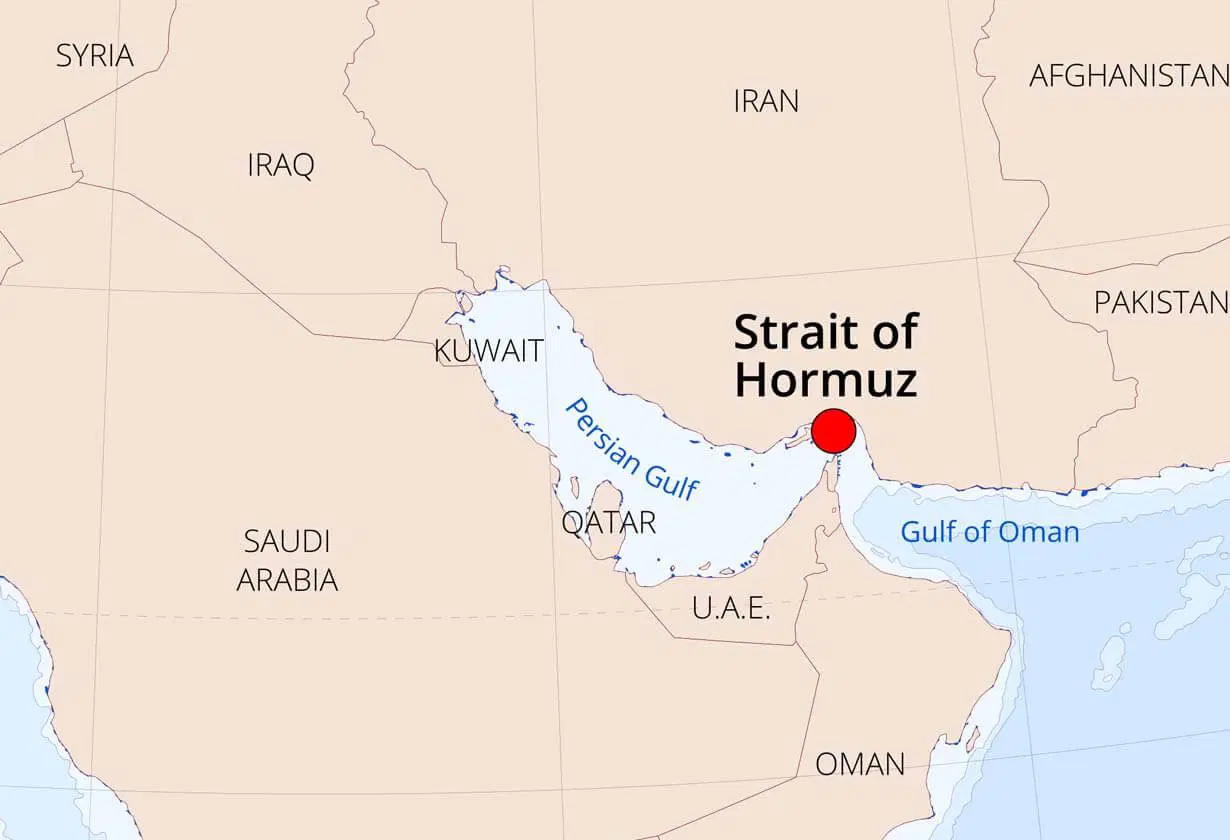
The sharp decline reflects widespread export disruptions across Gulf Arab states, which have been unable to ship crude through the Strait of Hormuz amid the ongoing conflict. Tanker traffic through the narrow waterway, vital for global energy flows, has also fallen sharply due to repeated attacks in the region.
Iran’s crude production also declined by about 5 per cent, falling from 3.24 million barrels per day to 3.06 million bpd month-on-month, according to OPEC data.
Despite the wider conflict, the Islamic Republic has continued exporting oil through the Strait of Hormuz.
However, Iran is now facing a blockade after weekend peace talks with the United States ended without an agreement.
U.S. President Donald Trump has reportedly ordered the U.S. Navy to block all maritime traffic in and out of Iranian ports beginning at 10 a.m. ET on Monday.