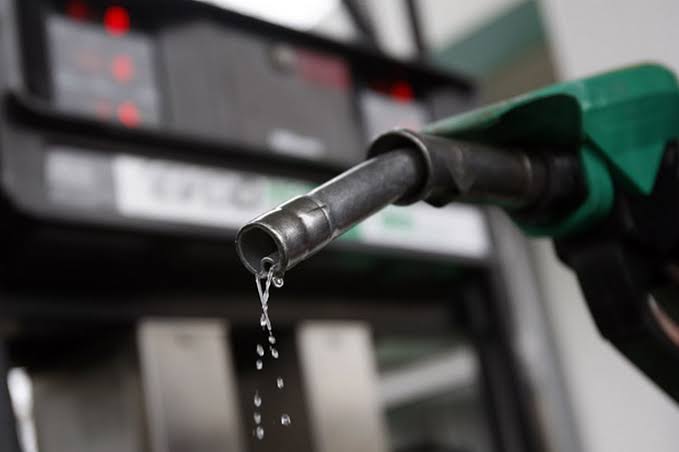


The Petroleum Products Retail Outlets Owners Association of Nigeria has endorsed the World Bank’s recommendation that Nigeria permit the importation of petroleum products, stating that the move would boost competition and help stabilise prices in the downstream sector.
In its Nigeria Development Update report released on April 7, the World Bank urged the country to allow the importation of premium motor spirit, commonly known as petrol.
In a statement on Monday, PETROAN’s National Public Relations Officer, Joseph Obele, said the association’s stance is consistent with its long-standing advocacy for a fully liberalised and competitive downstream market.
Reacting, PETROAN National President Billy Gillis-Harry said competition remains the most effective mechanism for ensuring price stability and strengthening energy security.
He noted that reintroducing petrol import licences would encourage supply diversification, curb monopolistic tendencies, and shield consumers from exploitative pricing.
Gillis-Harry also argued that the recent spike in petrol prices could have been avoided if government-owned refineries were fully operational or effectively privatised.
The PETROAN president said maintaining healthy competition in the downstream sector will require a combination of fuel importation and the full privatisation of state-owned refineries in Port Harcourt, Warri, and Kaduna.
According to Gillis-Harry, this approach would drive efficiency, remove operational bottlenecks, and foster a genuinely competitive supply environment.
According to Gillis-Harry, the move would enhance efficiency, remove operational bottlenecks, and establish a genuinely competitive supply environment.
“The association draws a clear parallel with the transformation witnessed in Nigeria’s telecommunications sector following liberalization.
“The entry of private operators such as MTN Nigeria and Airtel Nigeria led to improved service delivery, wider coverage, innovation, and significant reduction in costs for consumers.
“PETROAN believes that similar reforms in the downstream petroleum sector will yield comparable benefits for Nigerians.
“The association further stresses that healthy competition is not a threat to local refining but rather a necessary mechanism to stabilize the market while domestic refining capacity continues to grow, including contributions from facilities such as the Dangote Petroleum Refinery, ” the statement said.