
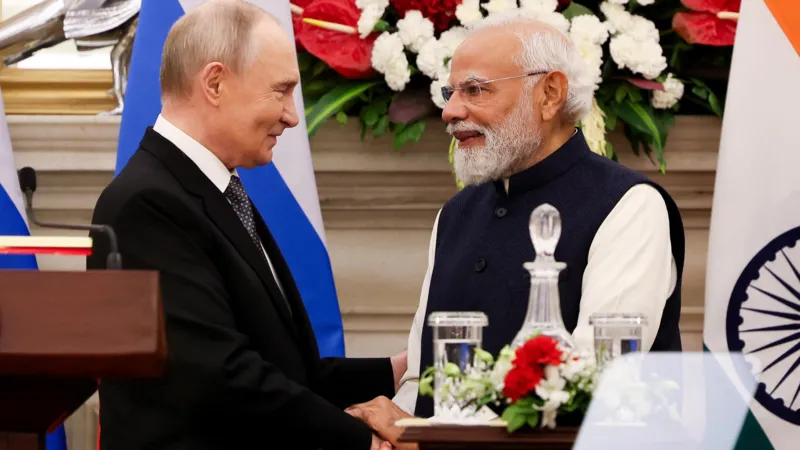
Russian President Vladimir Putin has declared that Moscow is ready to provide “uninterrupted shipments” of fuel to India, as Delhi continues to face mounting pressure from the United States to cease purchasing Russian oil.
Speaking alongside Indian Prime Minister Narendra Modi in Delhi, Putin questioned why India should be punished for buying oil when the US itself purchases nuclear fuel from Moscow.
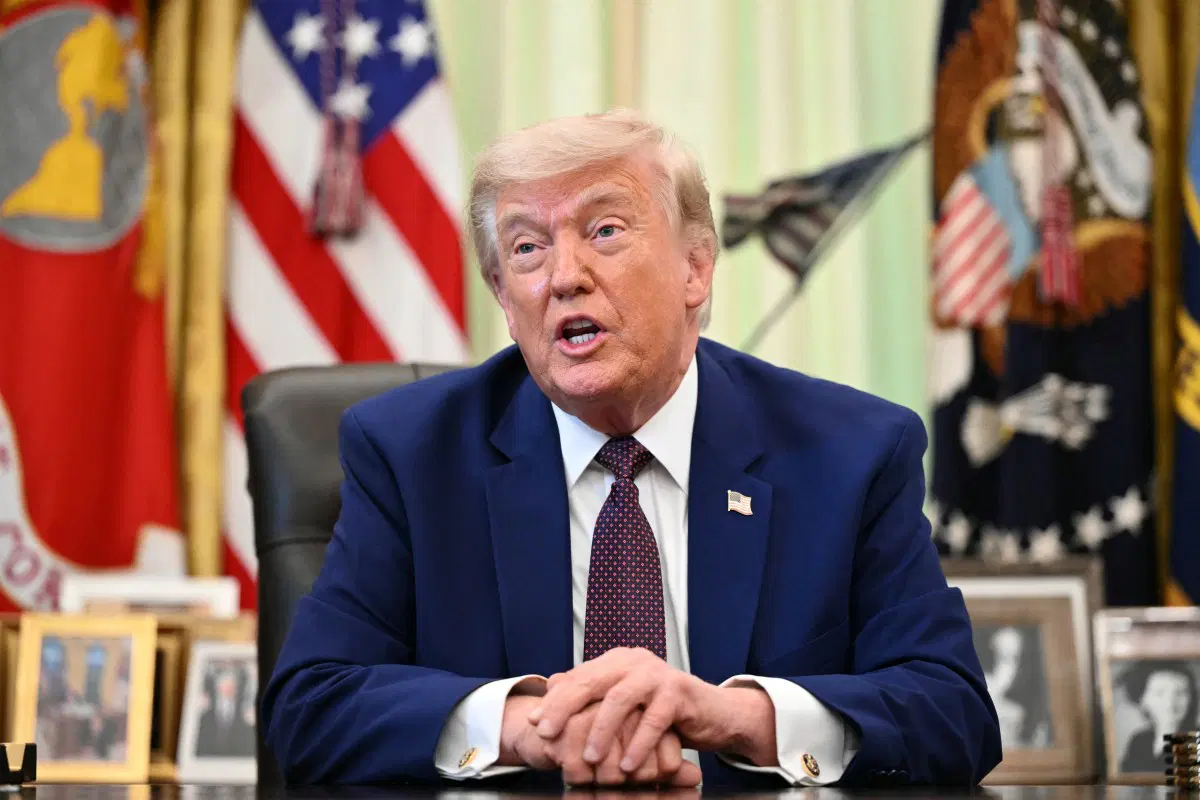
The meeting comes as President Donald Trump has imposed 50% tariffs on most Indian products, arguing that Delhi’s continued purchases of Russian oil have helped fund the war in Ukraine, an accusation that India denies.
Putin’s visit also coincided with a series of talks being held by the US with Russia and Ukraine in an attempt to broker a peace deal to end the war.
On Thursday, Putin told India Today that Russia was working on a “peaceful solution” to ending the war but issued a stern warning that Ukraine must withdraw from the Donbas region or Russia would seize it. He stated, “Either we liberate these territories by force, or Ukrainian troops will leave these territories.”
Prime Minister Modi reiterated India’s consistent stance that it was not neutral on the war in Ukraine and stood on “the side of peace,” welcoming efforts to find a “lasting” solution to end the conflict. He highlighted that increasing the “connectivity” of Russia and India was a “major priority” for the Indian government.
In recent months, India-US ties have hit an all-time low as the two countries have failed to resolve the tariff deadlock. Trump initially imposed a 25% tariff on India but announced an additional 25% later as a penalty for Delhi’s purchase of Russian oil, a move the Indian government had called “unfair, unjustified and unreasonable” at the time.
In his interview, Putin commented on the US tariffs imposed on India for buying Russian oil, stating that India should have the same opportunities available as the US. He directly asked, “The United States itself still buys nuclear fuel from us for its own nuclear power plants. If the US has the right to buy our fuel, why shouldn’t India have the same privilege?”
It was reported by Bloomberg in September, citing data from the Department of Energy, that Russia remained the US’ top supplier of nuclear reactor fuel last year, although a ban on enriched uranium imports from the country was enshrined into law in May.
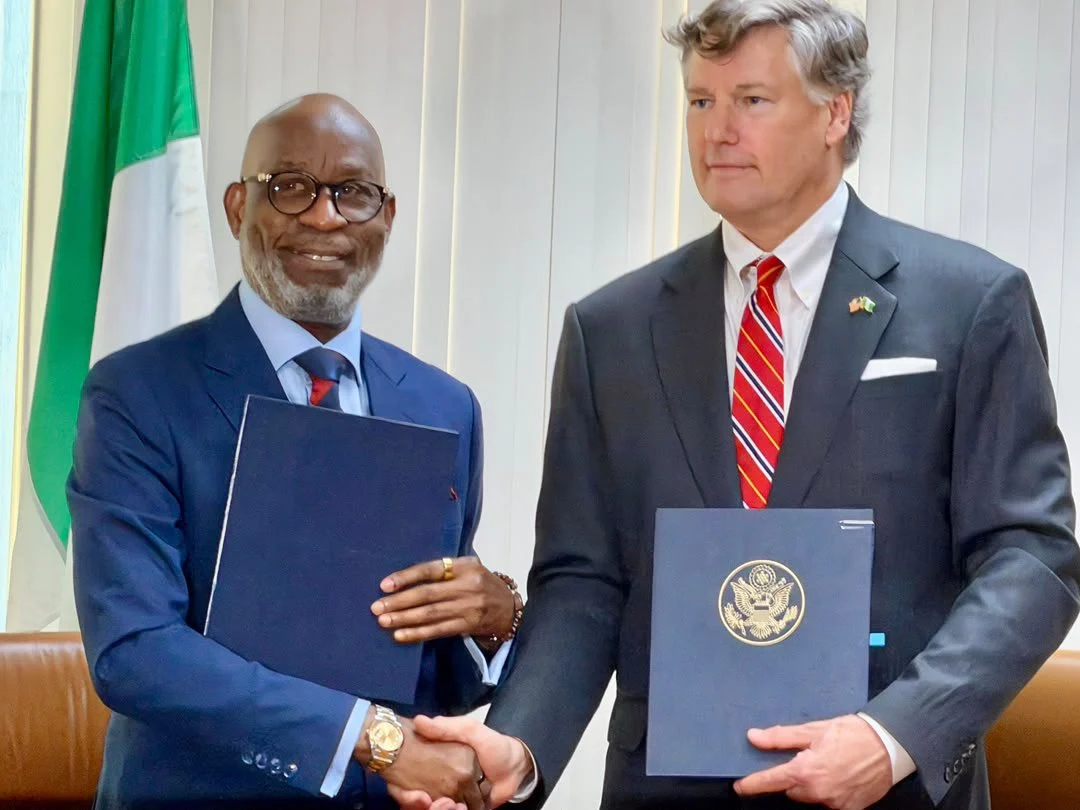
During Friday’s briefing, the two leaders exchanged memorandums outlining mutual objectives in areas including trade and agriculture. Modi announced two new 30-day visa schemes for Russian tourists visiting India and stated that two new Indian consulates had opened in Russia. The prime minister also announced that Russia Today, a Kremlin-funded, state-controlled TV network, would be launched in India.
Although no major defence deals were announced, the two men confirmed that agreements were signed on shipbuilding, investments in civil nuclear energy, and critical minerals. India and Russia also agreed on an economic programme valid until 2030, which spans jobs, shipping, and the health industry.
Putin expressed confidence about increasing the current bilateral trade from $60 billion to $100 billion in the coming years. Modi emphasized the importance of the energy relationship, saying that “energy security has been a strong and important pillar of the India-Russia partnership,” but made no specific reference to oil purchases in his public statement.
India, which is the world’s third-largest consumer of crude oil, has been buying large volumes from Russia since the Kremlin’s full-scale invasion of Ukraine in 2022, though some Indian firms have already started reducing oil imports from Russia to comply with US sanctions.
Putin also referenced a “flagship project”—building India’s largest nuclear power plant—that he said Moscow would help with.
In a joint statement released after their meeting, the leaders confirmed their partnership was being “reoriented toward joint research and development, as well as the production of advanced defence platforms.”
Putin further added that he and Modi were cooperating on foreign policy, with their coalition of Brics countries promoting a “more just” and “multi-polar” world. Brics is an informal alliance of several major developing countries that broadly formed in 2006 to challenge the political and economic power of North America and Western European nations.