




The European Union’s current aviation sustainability policies could unintentionally weaken the competitiveness of European airlines and slow progress toward decarbonisation, according to a new study by Deloitte for a leading industry advocacy group, Airlines for Europe.
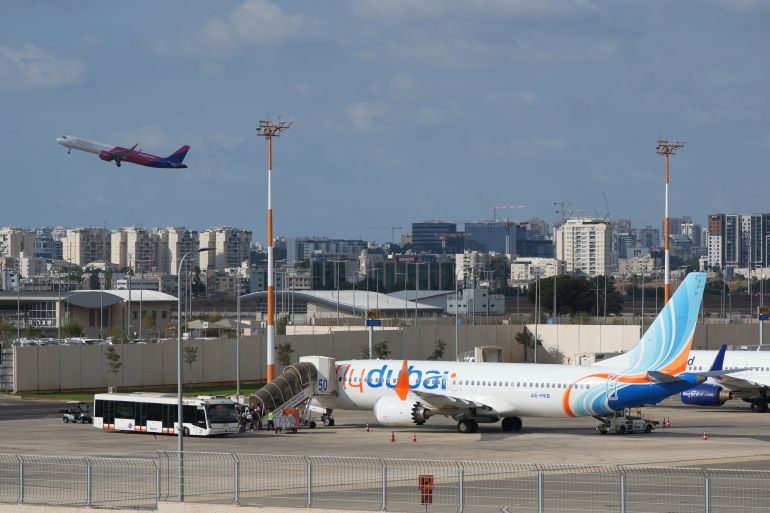
The report published on Green Air News raises concerns that the ReFuelEU mandate, which requires increasing use of sustainable aviation fuel, may drive passengers toward non-EU carriers and destinations that are not bound by the same environmental regulations.
The report warns this could result in carbon and business “leakage”, undermining both climate goals and market fairness.
Deloitte estimates that ReFuelEU could increase cost disparities by up to 15 per cent on key EU–Asia routes by 2030.
As a solution, the study proposes a SAF Book and Claim Accounting Mechanism, which it says could help maintain a level playing field without raising overall prices for consumers.
The report identifies three main types of leakage caused by the current policy framework:
Hub-switching: Passengers choosing non-EU hubs like Istanbul or Dubai over EU hubs such as Paris or Frankfurt to avoid SAF costs.
Additional layovers: Travelers opting for indirect routes outside the EU, since ReFuelEU applies only to the first flight segment departing from the EU.
Destination switching: EU travelers selecting non-EU holiday spots to avoid EU ETS costs, and non-EU residents bypassing EU destinations altogether.
While the EU already has a Carbon Border Adjustment Mechanism to price the carbon content of imports like cement and steel from countries with weaker climate rules, discussions are underway to possibly extend CBAM to aviation.
However, a 2024 analysis by Ishka notes this is complicated by the upcoming 2026 review of ICAO’s CORSIA (Carbon Offsetting and Reduction Scheme for International Aviation), which will assess whether the scheme aligns with the Paris Agreement targets.
The Deloitte report argues that applying CBAM to aviation is “neither legally nor practically feasible”, and calls for a tailored solution for international air travel emissions.
The proposed SAF-BAM system, it says, should be established through EU legislation and enforced by national authorities.
The mechanism would rely on integrating passenger data with flight operations data to calculate SAF use per passenger and per flight segment.
“Revenue generated from the sale of SAF-BAM certificates could be dedicated to further support the aviation sector, including green transition projects,” the report adds.
The findings underscore growing tension between environmental ambition and industrial competitiveness in Europe’s push to lead global decarbonisation efforts.


