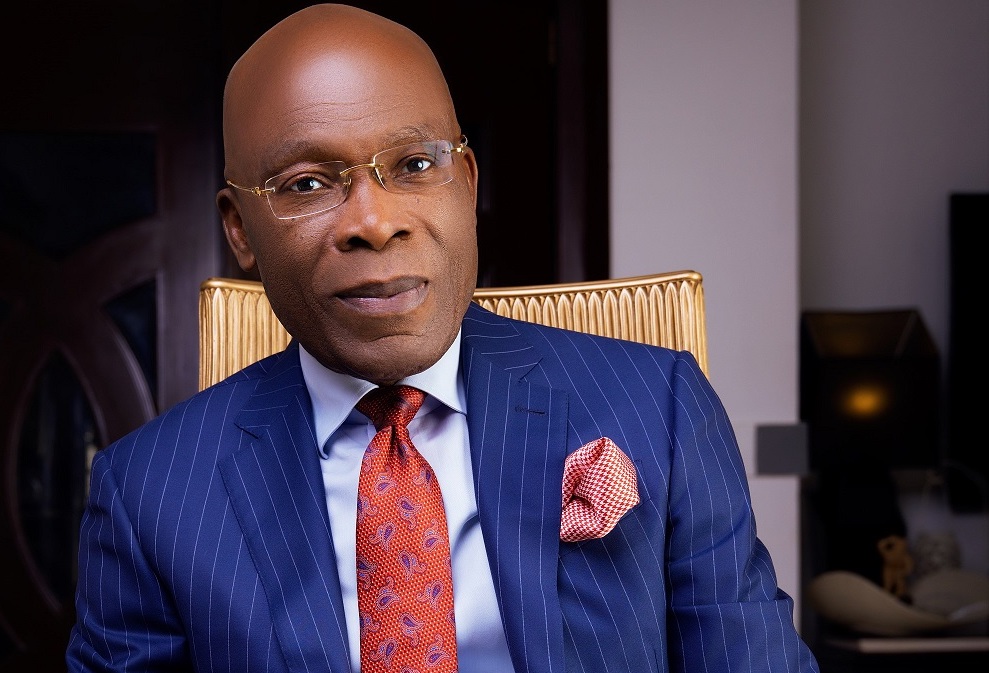





The President of the Non-Academic Staff Union of Educational and Associated Institutions, Dr. Hassan Makolo, has lamented the unbearable economic hardship facing Nigerian workers, warning that many are “suffocating” under the crushing weight of inflation, fuel price hikes, and the persistent devaluation of the naira.
Speaking to Vanguard on the sidelines of the union’s National Executive Council meeting in Abuja, Makolo painted a grim picture of the daily struggles of workers, saying the soaring prices of essential goods and services have pushed millions of families to the brink of despair.
Makolo detailed the impact of the economic woes on workers’ ability to cope, stating: “Workers are suffocating under the high cost of living. The prices of food, transport, housing, and even healthcare are now beyond reach.”
He stressed the disconnect between wages and economic reality: “Our wages no longer reflect the realities of today’s economy. Inflation has wiped out the value of salaries, leaving many workers unable to meet basic needs. The situation is even worse for workers in some states who continue to receive amputated or irregular salaries.”
He called for a fundamental policy shift, advocating: “Governments must go beyond the traditional minimum wage and implement a living wage policy — one that adjusts periodically to inflation and cost-of-living indices, ensuring that workers can live and work with dignity.”
He reiterated the factors eroding workers’ purchasing power, explaining: “Nigeria’s persistently high inflation rate, rising energy costs, and the significant devaluation of the naira following exchange rate unification have continued to erode the real value of workers’ wages. These factors have pushed the cost of living far beyond the reach of the average Nigerian worker.”
Makolo then outlined the necessity for collective action: “Essential goods, housing, transportation, and healthcare have become increasingly unaffordable, leaving many families struggling to survive. As Organised Labour, we must intensify our collective advocacy for fair wage adjustments, stronger social protection policies, and accountability in economic management. Together, we will continue to defend the dignity and welfare of every worker in these challenging times.”
He urged the government to implement broader economic stabilization measures: “The government must, therefore, strengthen economic policies that stabilise prices, invest in local production, and improve transport and energy infrastructure to reduce costs and ease the burden on citizens.”
Makolo also addressed the crisis in employment, noting: “Our youths, graduates, and skilled professionals face an uncertain future as unemployment and underemployment continue to rise. The informal sector now dominates the employment market, absorbing nearly 80 per cent of workers, most of whom operate under precarious and unregulated conditions.”
He offered solutions for job creation, advising: “Government should focus on job creation through expanded vocational training, support for Small and Medium-sized Enterprises (SMEs), and increased investment in labour-intensive industries.”
On the issue of national security, he lamented that “Insecurity, from kidnappings, banditry to terrorism, threatens Nigerians, including workers’ lives and livelihoods, as well as every other person resident in the country.”
He concluded by detailing the comprehensive approach needed to tackle the crisis: “Addressing insecurity in the country requires a comprehensive multi-dimensional approach, including but not limited to strengthening security and intelligence gathering, modern technology deployment, governance and political will, eliminating corruption in security spending, promoting justice and rule of law and addressing youth unemployment.”