
A United States federal judge has blocked President Donald Trump’s attempt to impose a $100,000 fee on employers seeking to hire foreign workers for specialized positions, ruling that the measure amounted to an unauthorized tax that required approval from Congress.
U.S. District Judge Richard Stearns found that the fee, introduced under a September 2025 presidential proclamation and swiftly enforced by the State Department and the Department of Homeland Security, violated constitutional limits on executive power and the separation of powers doctrine.
The decision marks a major victory for a coalition of states that challenged the policy in court, arguing that the steep fee had hindered their ability to recruit skilled professionals for publicly funded institutions, including universities and research centers.
The judge appointed by former President Bill Clinton based his ruling on two key Supreme Court decisions: the judgment that upheld the Affordable Care Act by classifying its individual health insurance mandate as a tax, and a more recent ruling that rejected President Trump’s attempt to impose global tariffs without congressional authorization, affirming that the president can exercise taxing powers only when Congress has clearly granted that authority.
The decision represents another legal setback for Donald Trump’s economic agenda, which has faced mounting challenges in the courts and increasing pressure from the ongoing conflict involving Iran.
The White House and the Justice Department did not immediately respond to requests for comment.
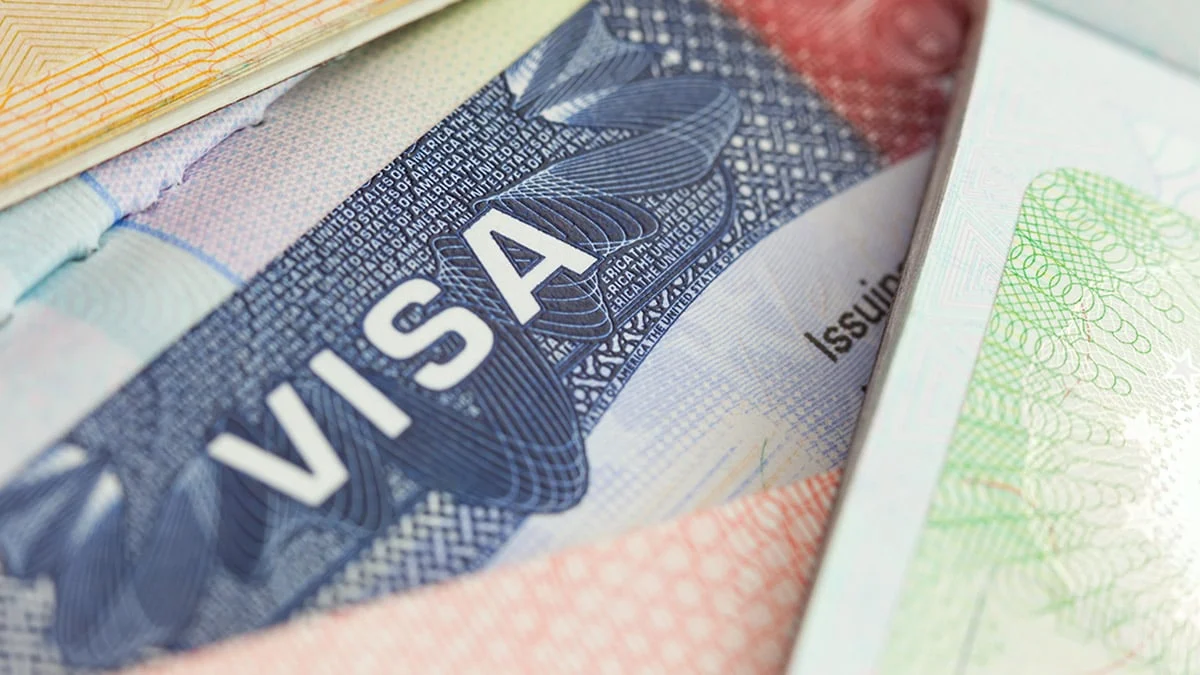
The H-1B visa program, established in its current form in 1990, allows U.S. employers to recruit foreign professionals for specialized and highly skilled positions. The program is subject to an annual nationwide cap of 85,000 visas, including 20,000 reserved for applicants holding advanced degrees.
However, the annual cap does not apply to certain employers, including institutions of higher education and nonprofit research organizations, enabling universities and research institutions to hire qualified foreign workers without being subject to the program’s numerical limits.
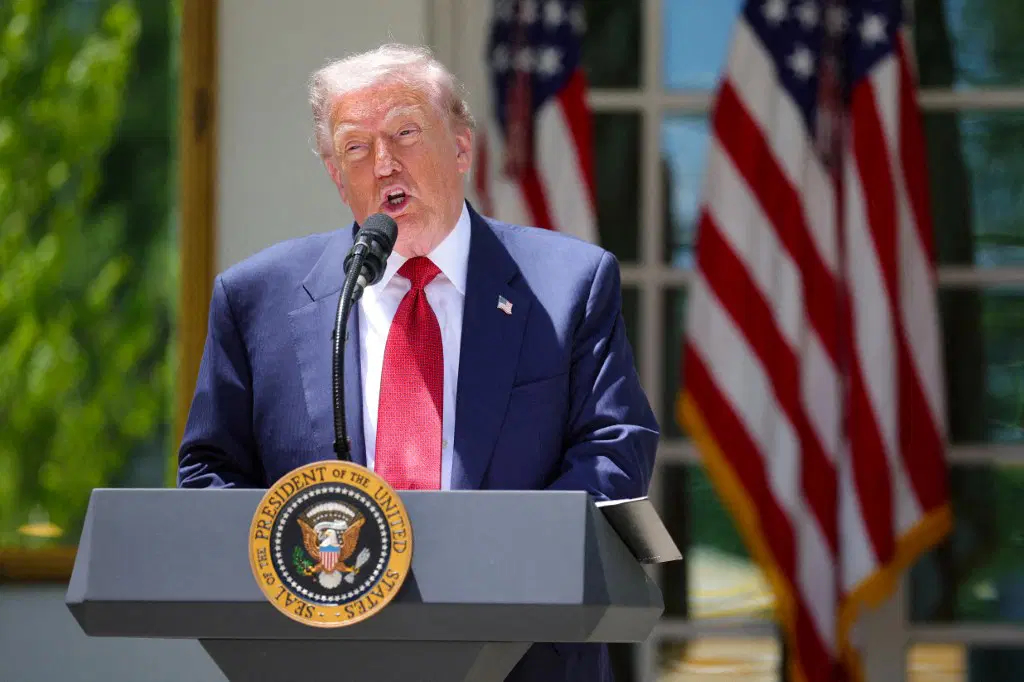
“Abuses of the H-1B program present a national security threat by discouraging Americans from pursuing careers in science and technology, risking American leadership in these fields,” Trump contended in his proclamation.
Stearns’ decision was issued six months after a federal judge in Washington, D.C., ruled in favor of the Trump administration in a similar case brought by the U.S. Chamber of Commerce, finding that Congress had authorized the president to impose the $100,000 H-1B visa fee.