



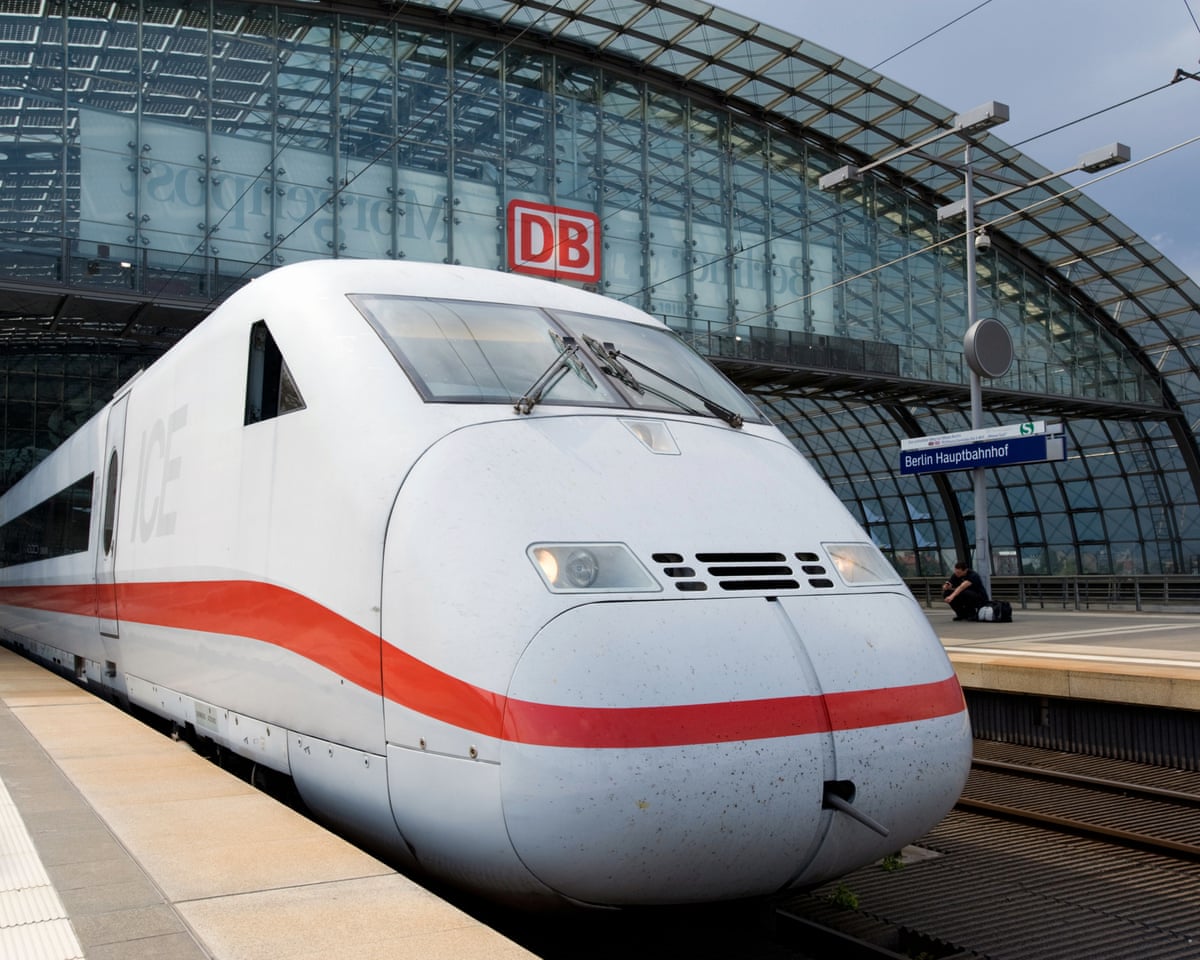
The United Kingdom and Germany have signed a historic bilateral agreement to introduce a direct high-speed rail link between major cities in both countries, in a move set to redefine European cross-border travel by the early 2030s.
The deal, known as the Kensington Treaty, was formalized on July 17 during German Chancellor Friedrich Merz’s first official visit to the UK.
It represents a major milestone in UK-Germany relations and lays the groundwork for seamless long-distance rail service connecting London with major German cities such as Frankfurt and Berlin.
The initiative is part of the UK government’s broader Plan for Change, aimed at enhancing international connectivity and promoting environmentally sustainable transport alternatives.
The direct service is expected to significantly reduce travel times and eliminate the need for layovers or transfers.
The London-Frankfurt route, for example, is projected to take approximately five hours, while London-Geneva journeys will clock in at just over five hours and 20 minutes.
In addition to efficiency, the upcoming service promises passenger-friendly features, including scenic views and onboard refreshments, such as affordable €4 beers—a nod to European hospitality.
The project is expected to boost tourism and cross-border business travel, while also aligning with climate goals by offering a cleaner alternative to air travel. With implementation targeted for the early 2030s, the UK and Germany aim to set a new standard in international rail travel across Europe.