




Using electronic devices to soothe restless infants, once a popular parenting strategy, may come with long-term consequences, according to new research.
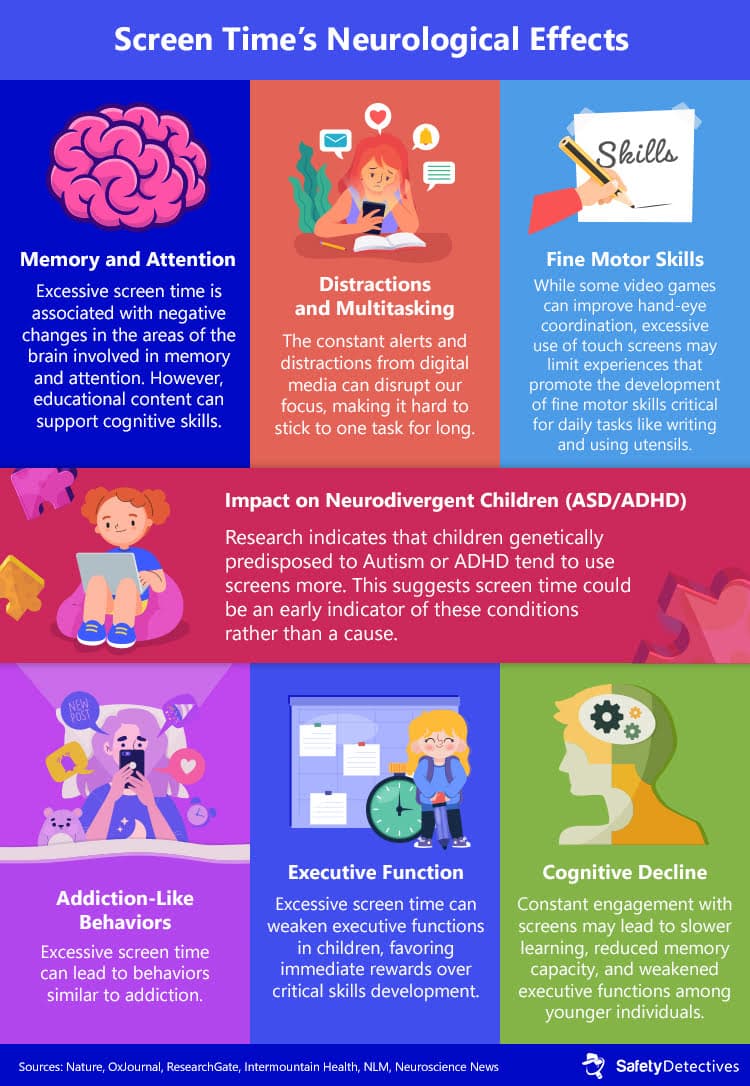
Scientists in Singapore have found that children exposed to high levels of screen time before age two exhibited changes in brain development associated with slower decision-making and heightened anxiety during their teenage years.
The study, however, offers a note of optimism for parents.
Researchers observed that for children whose parents regularly read to them from age three, the negative association between early screen exposure and brain development was significantly reduced.
The study, led by Assistant Professor Tan Ai Peng, principal scientist at A*STAR’s Institute for Human Development and Potential (IHDP, Translational Neurosciences), is Singapore’s largest birth cohort research connecting infant screen exposure with long-term brain changes and adolescent mental health outcomes.
“This research gives us a biological explanation for why limiting screen time in the first two years is crucial. It also highlights the importance of parental engagement, showing that parent-child activities, like reading together, can make a real difference,” said Dr Tan.
The study followed 168 children from the Growing Up in Singapore Towards healthy Outcomes cohort for over a decade, using brain scans at multiple intervals to trace how early screen exposure may influence adolescent mental health.
The research concentrated on infancy, a critical period of rapid brain development highly sensitive to environmental influences, examining how both the amount and type of screen exposure, largely shaped by parental awareness and caregiving practices, affect long-term outcomes.
Published in eBioMedicine, a peer-reviewed open-access medical journal, the study is the first on screen time to track children over more than a decade, emphasizing the lasting impact of early-life screen exposure.
“When we started this study, we thought that it would be really interesting to see how the altered development in this grey matter would actually result in the long-term anxiety symptoms when these children go into the adolescent years, when they make new friends, when they are exposed to different social environments. There is a high possibility that they may not be able to cope well,” Dr Tan said.