






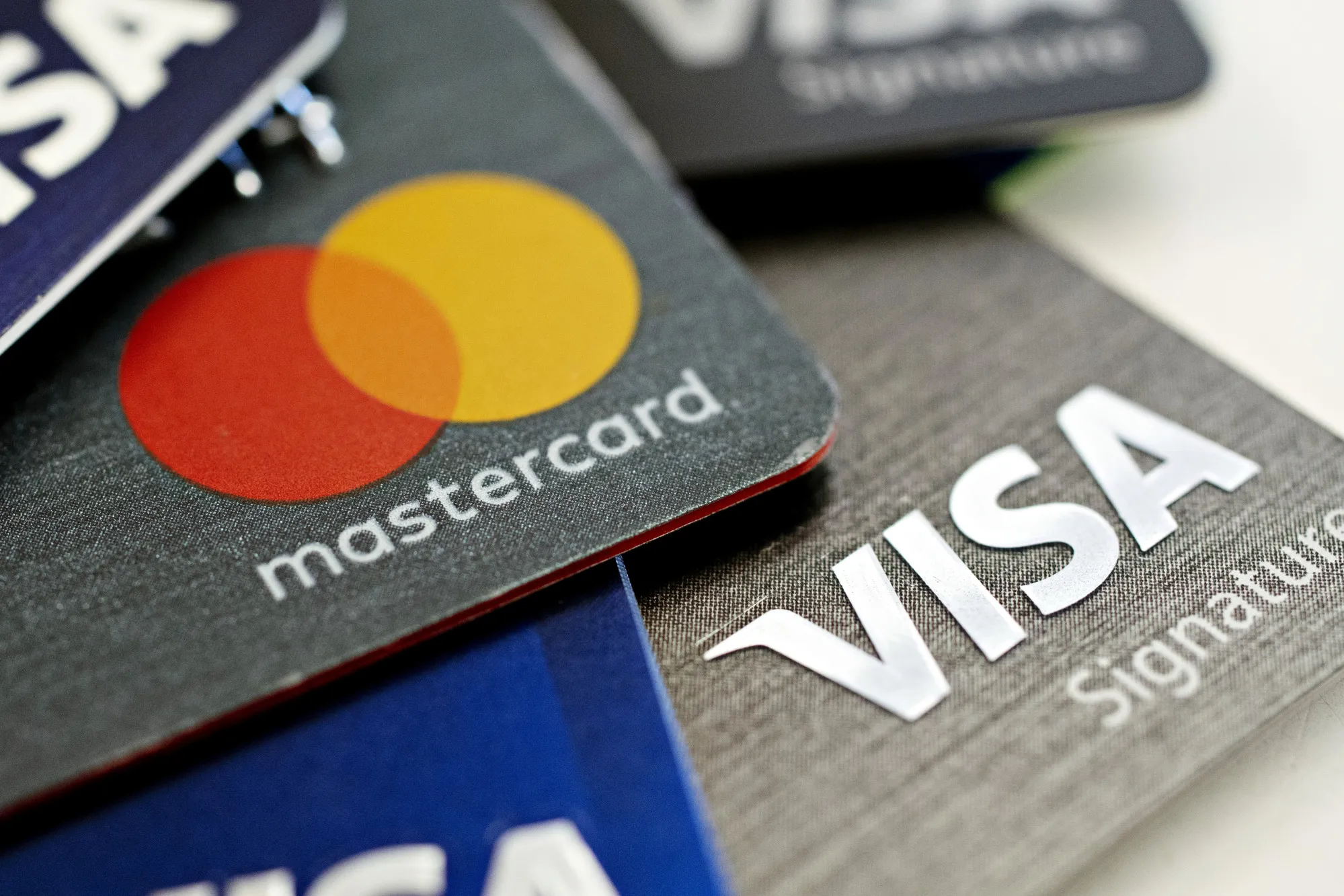
Tech firms and crypto start-ups are targeting the long-held turf of Visa and Mastercard, using stablecoins — a new form of digital currency — to offer merchants a compelling alternative: lower fees, quicker settlements, and the ability to sidestep traditional payment networks altogether.
This marks both a technological and financial challenge.
Stablecoins, typically pegged to the United States dollar, enable consumers to pay merchants directly from their crypto wallets, bypassing banks and card systems.
In 2024 alone, U.S. businesses spent an estimated $187 billion on swipe fees — most of it through Visa and Mastercard, according to Bloomberg.
Stablecoins could dramatically reduce or eliminate those costs.
“It’s clear that eventually this entire space could be a threat to TradFi providers,” said Christian Catalini, founder of MIT Cryptoeconomics Lab. “But credit card networks aren’t sitting on the sidelines. The card networks will push to work with many stablecoins, so they retain their central role.”
Facing mounting pressure, Visa and Mastercard are working to redefine their roles — not as legacy payment gatekeepers, but as critical platforms for all forms of digital transactions, including those built to bypass them.
As President Donald Trump prepares to sign new legislation introducing federal oversight for stablecoin issuers, both companies are pivoting by launching crypto-linked cards and building tools for banks testing digital dollar technologies.
Visa and Mastercard’s influence cuts both ways. They’ve long responded to competitive threats by absorbing them into their networks—often preserving their grip on fees in the process. Their embrace of stablecoins could be the latest example of that playbook.
With the market already worth $253 billion and expected to soar to $2 trillion in the coming years, according to Treasury Secretary Scott Bessent, the payment giants may be positioning themselves to turn disruption into dominance.
That momentum is already influencing corporate strategy. Major retailers like Walmart are reportedly exploring stablecoin pilot programs, and earlier this month, Fiserv — a key banking tech provider — launched its own fiat-backed token to help smaller banks stay competitive in the evolving payments landscape.
Still, unseating card networks won’t be simple, especially in the U.S., where consumers are accustomed to credit access, fraud protection, and rewards — benefits not easily replicated by stablecoins.
At checkout, stablecoins offer limited upside, and many consumers remain wary or unfamiliar with crypto.
Unlike bank deposits, stablecoin balances likely won’t be FDIC-insured, and consumer protections may vary significantly.
For merchants, adopting new systems could also mean added tax, compliance, and operational challenges.