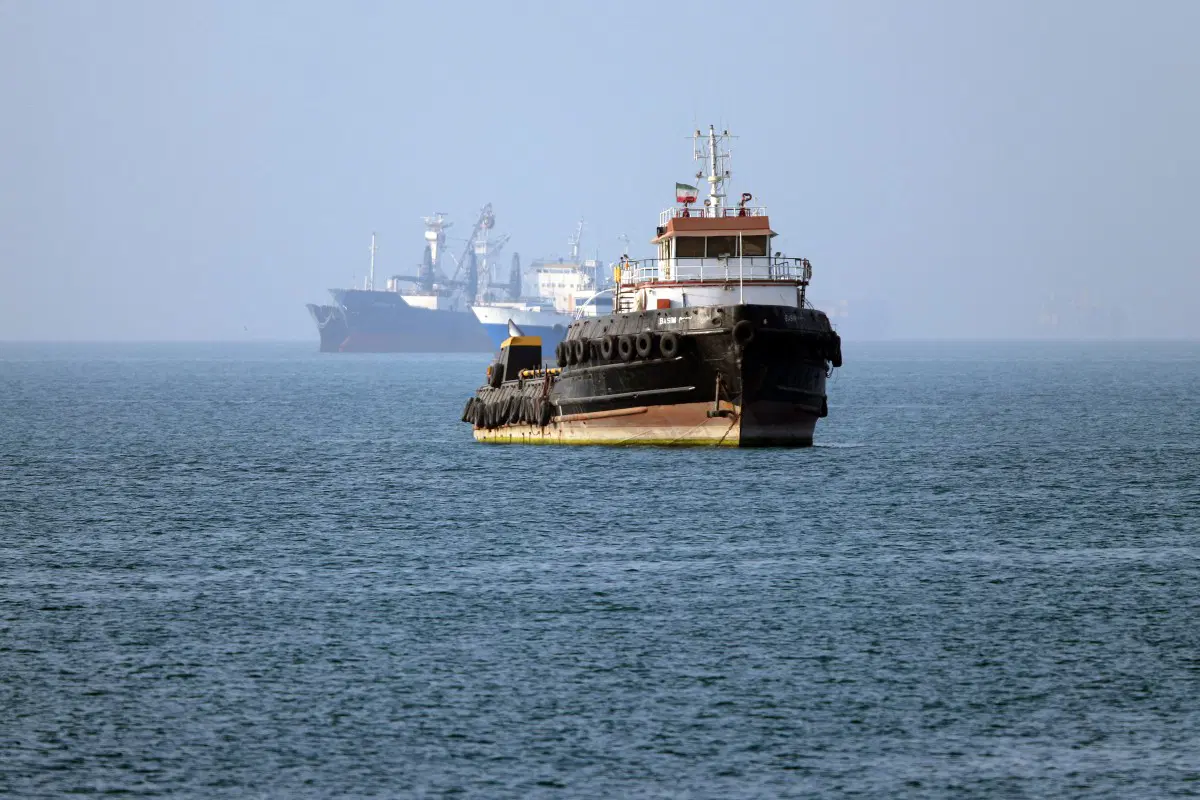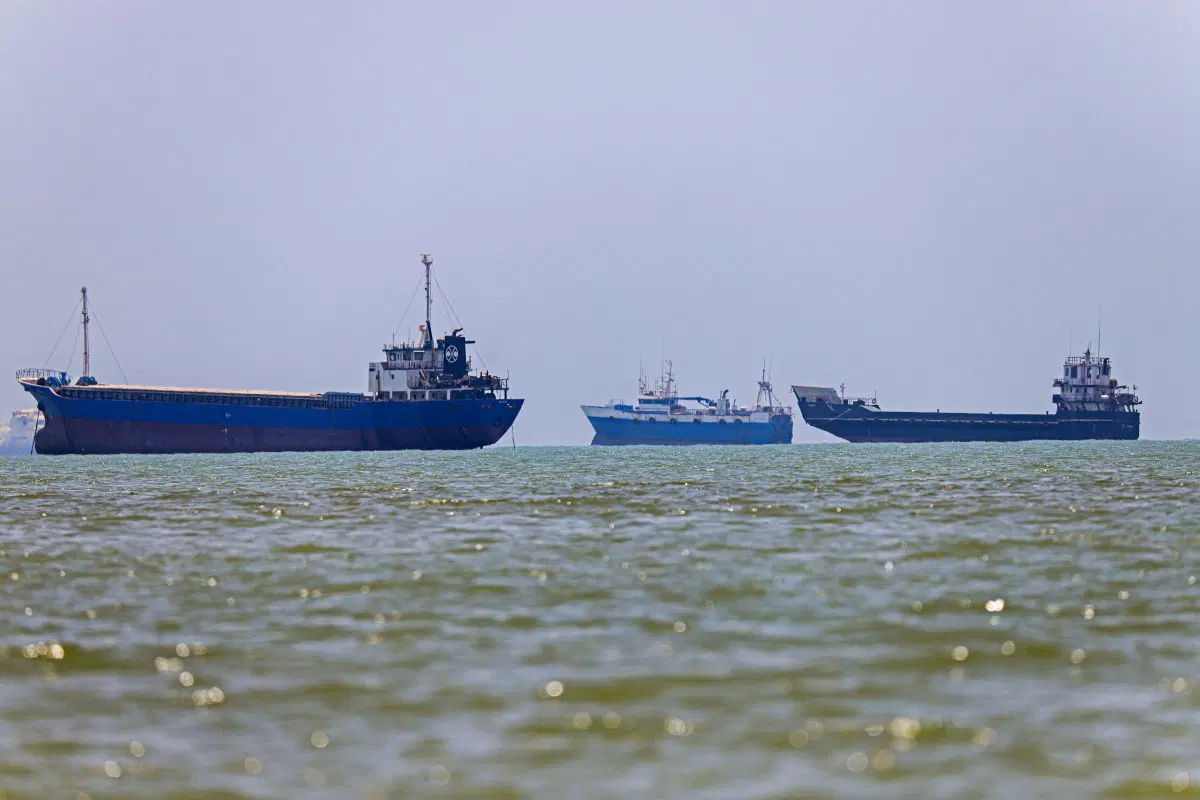

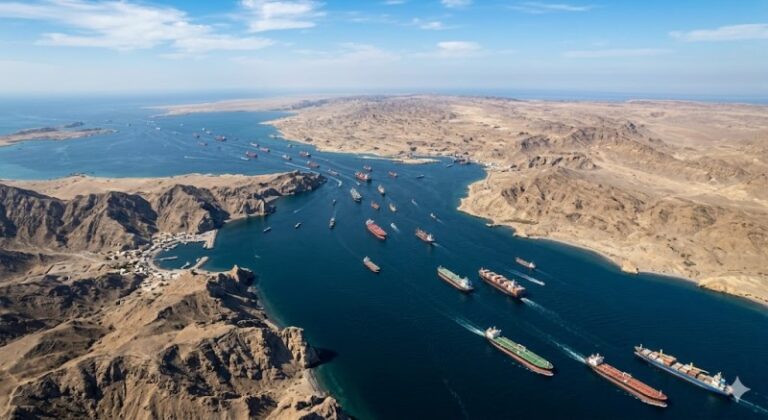
Iran has closed the Strait of Hormuz until further notice. The closure will remain in effect until further notice, according to Iranian authorities.
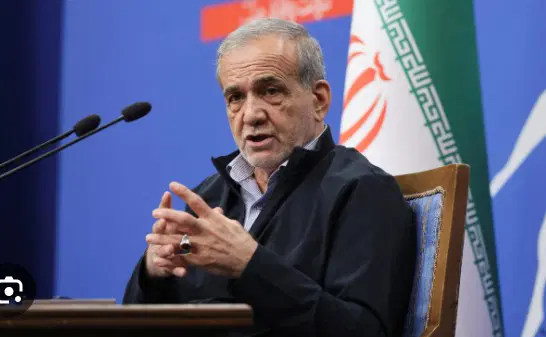
Iran has warned that any attempt by the United States to challenge the decision would trigger a “severe” military response.
The Islamic Revolutionary Guard Corps announced the closure on Sunday.
The IRGC said the closure followed accusations that a commercial vessel had ignored repeated instructions.
The vessel was also accused of travelling through an unauthorised route.
The IRGC said the vessel was hit with warning shots and stopped.
The IRGC insisted that ships must now follow routes approved by Tehran before passing through the strategic waterway.
Iran also threatened to attack more US military installations across the Middle East if Washington responded to the closure with force.
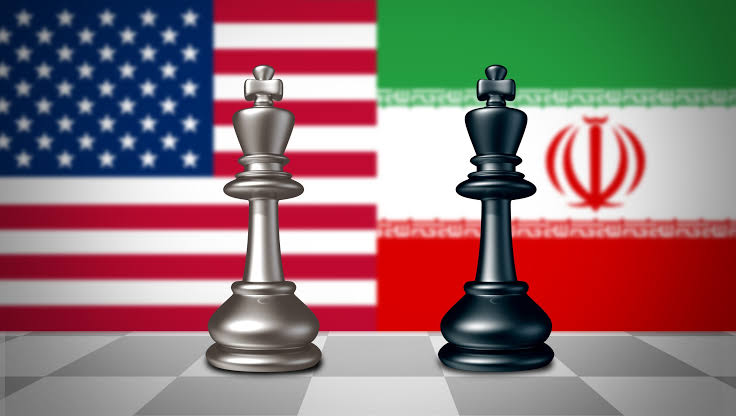
Hours later, the United States launched a fresh wave of strikes on Iranian coastal bases and telecommunications facilities.
US Central Command said the operation followed an Iranian attack on the Cyprus-flagged MV GFS Galaxy in the Strait of Hormuz.
The vessel suffered major damage to its engine room and was unable to continue its journey.
Its crew abandoned the ship, while one person was declared missing.
US Defence Secretary Pete Hegseth issued a blunt warning after the strikes.
“Iran made a poor choice. Now they pay,” he said.
Iran retaliated by launching missiles and drones at US-linked targets across the region.
The IRGC claimed it struck the Prince Hassan Air Base in Jordan, destroying its command centre and MQ-9 drone hangars.
The United Arab Emirates, Qatar and Bahrain also activated their air-defence systems in response to incoming Iranian missiles and drones.
The latest escalation followed attacks on three commercial tankers earlier in the week.
Those attacks triggered an exchange of strikes between Iran and the United States.
Iran insists that vessels must use a route passing through its territorial waters.
Iran has rejected a separate route recommended by the United States through Omani waters.
Washington has demanded that Tehran publicly reopen the Strait of Hormuz.
Washington has also demanded that Iran guarantee the safety of commercial vessels.
The waterway remains one of the world’s most important shipping routes, linking the Persian Gulf to the Gulf of Oman.
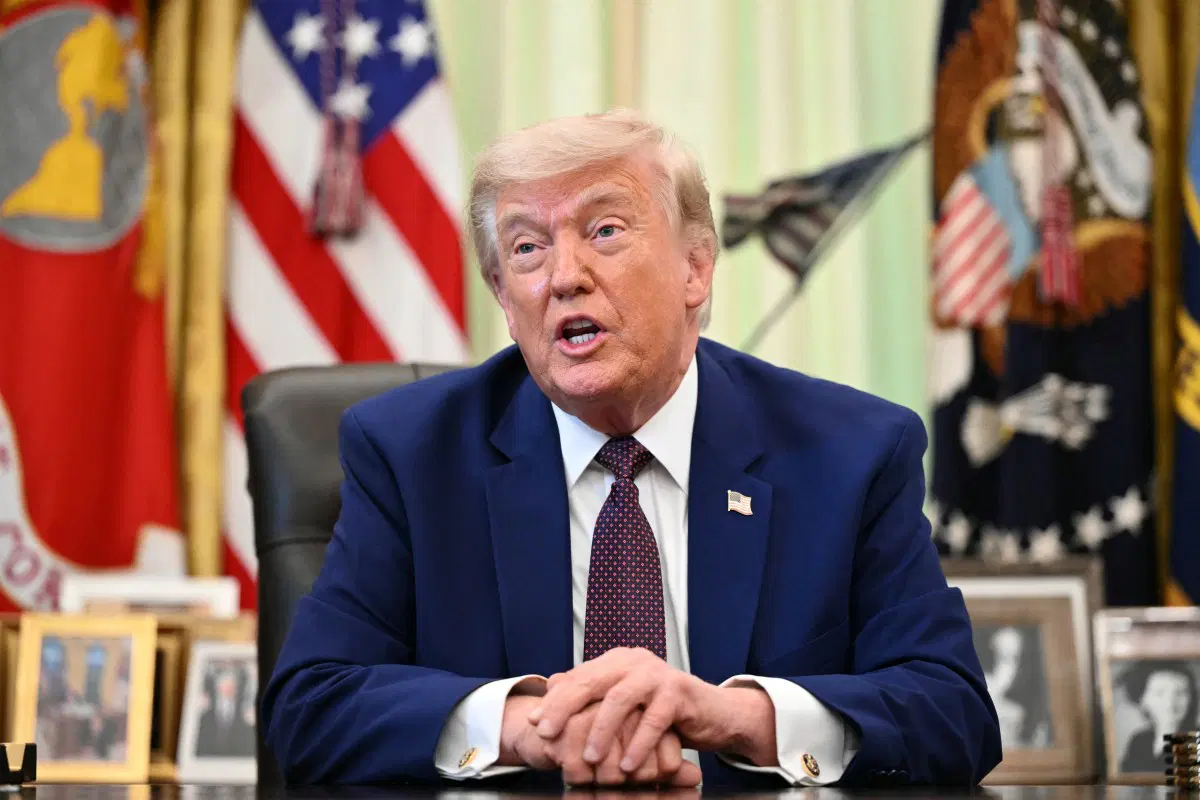
Despite the renewed fighting, US President Donald Trump said negotiations could continue as mediators attempted to revive the ceasefire.
Iran’s Foreign Minister Abbas Araghchi, however, accused Washington of violating the agreement.
The confrontation comes days after Iran’s new Supreme Leader, Ayatollah Mojtaba Khamenei, vowed revenge for the death of his father and predecessor, Ali Khamenei.
Ali Khamenei was killed during the opening attack of the US-Israeli war against Iran on February 28.