
Economists and Nigerians have raised concerns about Nigeria’s debt level, describing it as a high-risk fiscal state, warning that improvement is necessary despite stability in some critical debt measures.
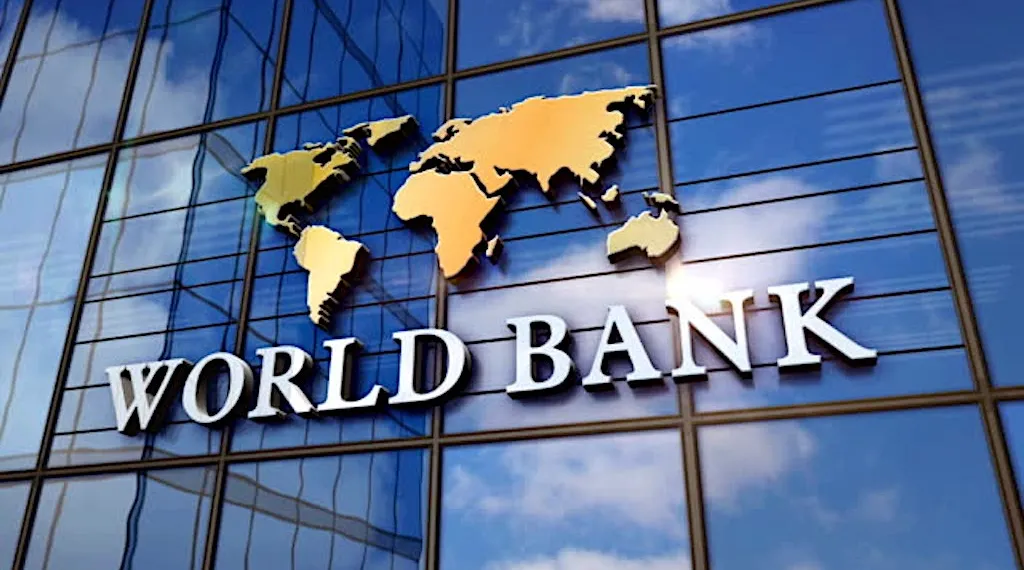
Nigerians have taken to social media, urging the World Bank to reject the recent proposed $1.2 billion loan request.
The Nigerian Economic Summit Group has cautioned that Nigeria still faces a high-risk fiscal environment despite a decline in its debt burden index in 2024.
The new concerns come as the federal government plans to borrow $1.25 billion from the World Bank for economic reforms, job creation, and investment growth under the proposed Nigeria Actions for Investment and Jobs Acceleration programme.
In its latest Debt Burden Monitor report, titled ‘Debt pressure persists beneath surface stability: DBI signals elevated fiscal strain in 2025’, NESG noted that the country’s fiscal position is unstable due to rising debt service costs, declining revenue mobilisation, and sustained debt financing.
As the report indicated, Nigeria’s debt burden index has fallen from 83.6 in 2023 to 70.9 in 2024, indicating a slight reprieve in debt stress.
The group, however, observed that these gains reflect “neither strong fiscal capacity nor broad-based reforms”.
The group said: “Although, on face value, this indicates a decline in debt stress. Nevertheless, these gains reflect partly the slight moderation in debt service stress and not in fundamental fiscal capacity of the Nigerian economy.”
The NESG pointed out that Nigeria’s public debt to GDP ratio has climbed from 37.4% in 2023 to 40.6% in 2024 on account of sustained debt financing by the government in the bid to bridge the revenue gap and close deficits.
The association noted that a sustained rising public debt to GDP ratio while the DBI has fallen, clearly shows that the Nigerian economy is highly vulnerable from a fiscal perspective.
It projects a persistently elevated debt pressure for 2025, with the DBI fluctuating within a high-stress band.
The report read: “This pattern indicates that debt pressure has not structurally eased but instead fluctuates within a high-stress band.”
The Debt Management Office reported that Nigeria’s total public debt had soared to N159.28 trillion by December 31, 2025, with the government’s debt service obligations growing to approximately N16 trillion in the same period.
Economist, Bismarck Rewane, described Nigeria’s debt burden as a major concern given the weak revenue base and increasing repayment obligations, and explained that borrowing is acceptable if funds are invested into productive sectors that can stimulate growth and enhance government revenue.
He said: “The problem is not just borrowing, but what the loans are used for. If the money is invested properly in infrastructure, production and economic expansion, it can support growth. But when revenues remain weak, debt pressure will continue to increase.”
Below are some reactions from netizens on World Bank’s X handle:
@Way Forward Africa said: “Please Stop Giving Loans to Nigeria president. Has finished the country. They take loan and share it among themselves. No meaningful development, nothing to show for all the money they’ve already borrowed. Please stop. They’ve destroyed Nigeria.”
@soccertrap said: “You have turned deaf ears to pleas from Nigerians to avoid giving our useless president any further loan. It’s used against us citizens for insecurities, electoral malpractices etc. No other loan is allowed, if the voice of the people is ignored.”
@David Garry’s said: “This president does not care about us. Please stop borrowing him money for the sake of the people we’re dying.”
@Ulices Luelwitz said: “Stop giving loans to the Nigerian government. The current government uses the money for corruption, vote buying, and election fraud. There has been no development or infrastructure since you started giving him money Please do the right thing to save Nigeria from these hard times.”
@Iloba Jr said: “Please and please world bank don’t give loans to Nigerian government, millions of Nigerian children die of hunger and malnutrition, innocent citizens have been killed, they have failed to protect this lives of Nigerians, of what use is those loans please and please DONT.”
@WakandaMelvin said: “Stop borrowing Nigerian government money this government is wicked to the citizens no impact only for vote buying and the rest goes to their pockets.”
@Nehemiah Ugbede said: “Stop giving Nigeria government loan!! You’re part of our problem.”
@Issues For Evil Politicians said: “Why do you keep giving loans to Nigeria ? Stop giving us loans. Stop giving us loan. stop giving us loan.”
@Peaceful Gambler said: “STOP GIVING NIGERIAN GOVERNMENT LOANS.”
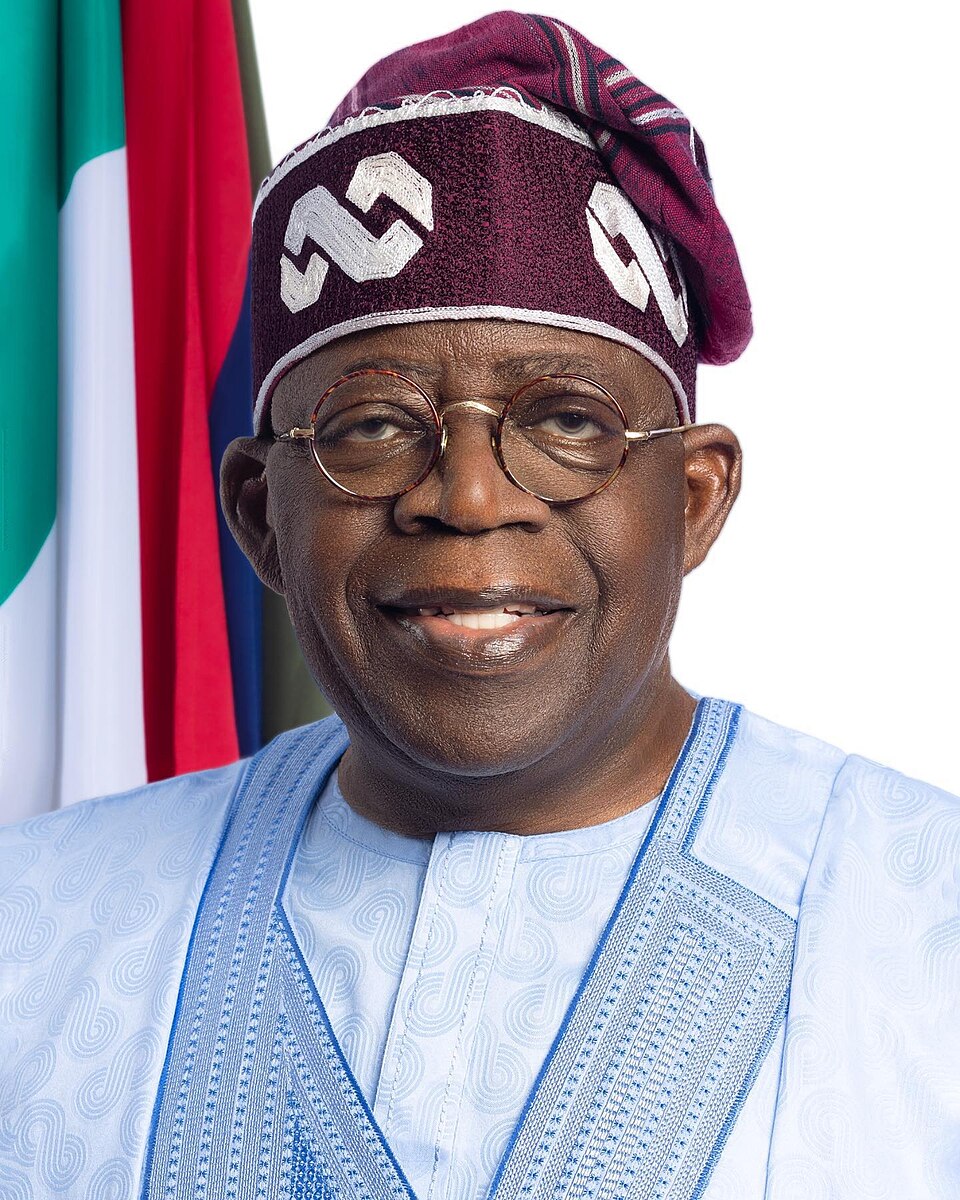
@VeeTribe said: “Stop borrowing money to tinubu the Nigerian president, he is not using the money for the betterment of Nigerians.”
@Anti-Rubbish said: “Please put a stop to giving the Nigerian president loans. Those loans are funding terrorism and election fraud! Nothing is used for infrastructure or whatever lies they say. I am Nigerian by the way!”
@love_aint_real7 said: “Please stop borrowing Nigeria any loans again, they are not using it for what they will tell you they want to use it for , these monwy are used to buy expensive cars for president and senates and more but not for the citizens.”
@Mr.Shina listed: “Major World Bank loans under Tinubu administration (since May 2023):”
Since President Bola Tinubu assumed office in May 2023, the World Bank has approved approximately $9.35 billion in loans and credits for Nigeria as of May 2026. Key packages include the $2.25 billion RESET and ARMOR reform financing in June 2024, $1.57 billion for HOPE and SPIN programmes in September 2024, and $1.08 billion for education and resilience programmes in March 2025. The proposed $1.25 billion facility, if approved, would bring total World Bank approvals under the Tinubu administration to about $10.6 billion, making it the second-largest single facility after the $1.5 billion Reforms for Economic Stabilisation to Enable Transformation Development Policy Financing secured in June 2024.
This latest request comes amid ongoing public scrutiny over the utilisation of previous borrowings, with many citizens expressing frustration over perceived lack of visible development and infrastructure improvements despite the substantial inflows.