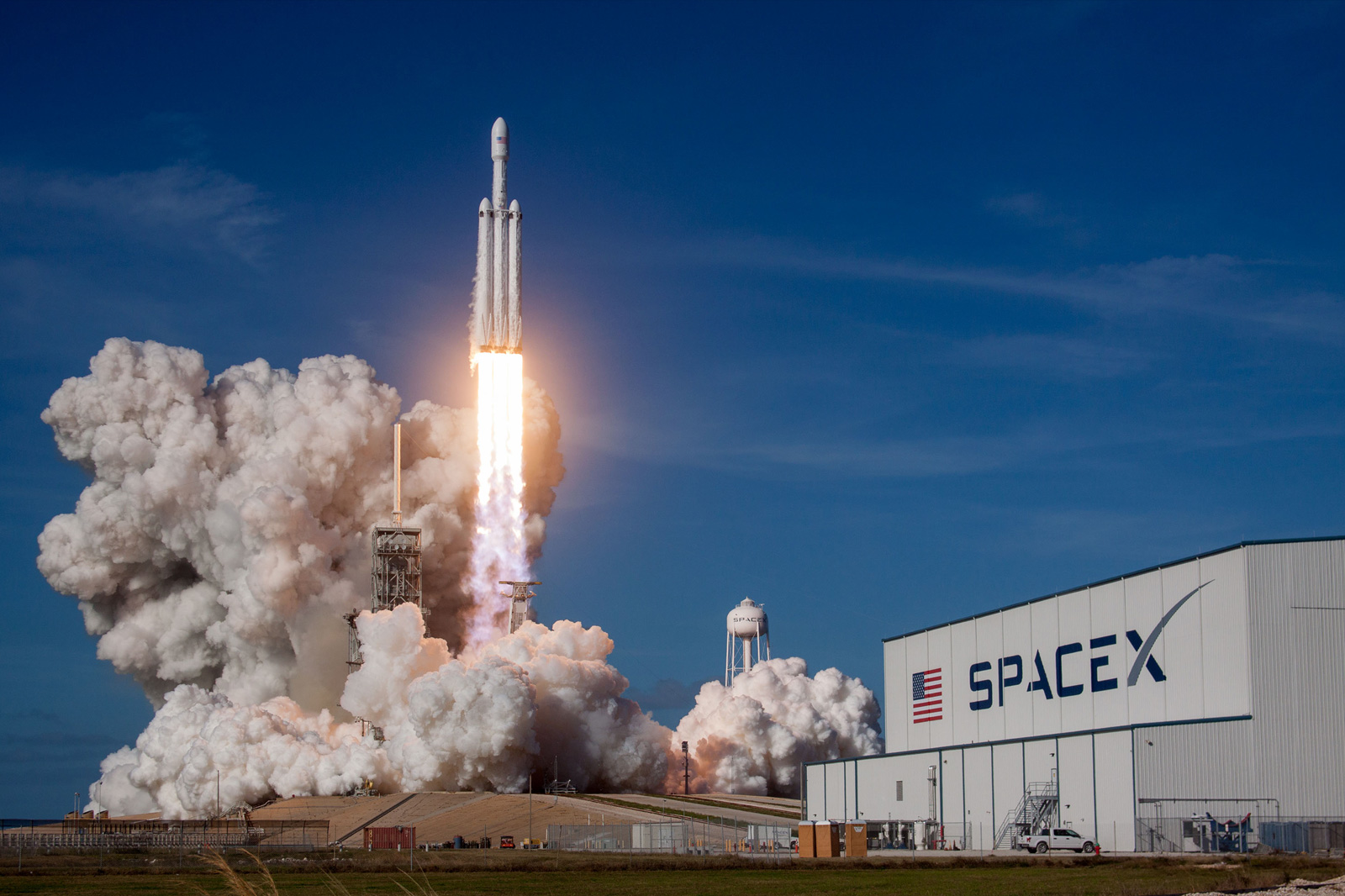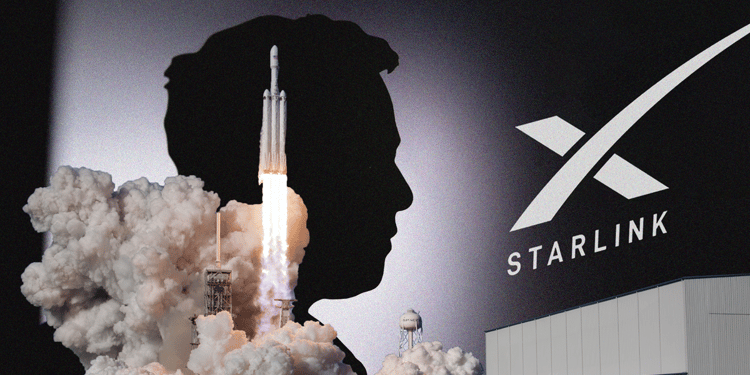


SpaceX has launched its largest and most powerful Starship rocket to date on a test flight, debuting an upgraded version that NASA plans to use for future astronaut missions to the Moon.
The redesigned mega rocket lifted off from the southern tip of Texas on Friday, carrying 20 mock Starlink satellites scheduled for deployment midway through its journey around the globe.
The test flight came just two days after SpaceX CEO Elon Musk announced plans to take the company public.
The launch came after a last-minute scrub on Thursday caused by a minor issue with a launch pad system, as well as two earlier weather-related delays.
The mission marked the first flight of SpaceX’s Version 3 Super Heavy-Starship system and the inaugural launch from the company’s second Texas launch pad, which was built to better endure the intense demands of repeated launches by the world’s most powerful rocket.
About two minutes and 24 seconds after liftoff, once the vehicle had cleared the dense lower atmosphere, the six Raptor engines on the Starship upper stage ignited moments before the Super Heavy booster separated and began its descent.
The booster was programmed to perform a flip maneuver, reverse course, and return toward Starbase for a controlled splashdown in the Gulf.
However, it experienced engine issues during the descent and was unable to reach its intended target area.
“The booster’s primary test objective will be executing a successful launch, ascent, stage separation, boostback burn and landing burn at an offshore landing point in the Gulf of America,” SpaceX said on its website. “As this is the first flight test of a significantly redesigned vehicle, the booster will not attempt a return to the launch site for catch.”
During its journey through space, the mission was scheduled to deploy 22 Starlink satellite simulators from a dispenser resembling a Pez candy dispenser.
Among them were two units equipped with cameras designed to capture images of the spacecraft’s heat shield tiles during re-entry, helping engineers assess their performance under extreme conditions.