
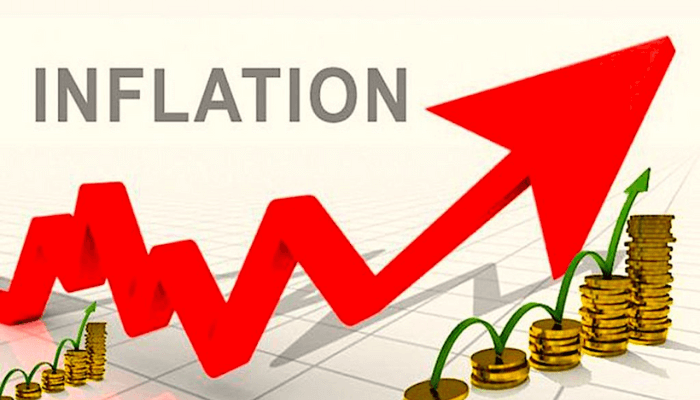
South Africa’s annual consumer inflation rose to 5.0 per cent in June 2026 from 4.5 per cent in May, strengthening expectations that the country’s central bank could consider raising interest rates as price pressures persist.
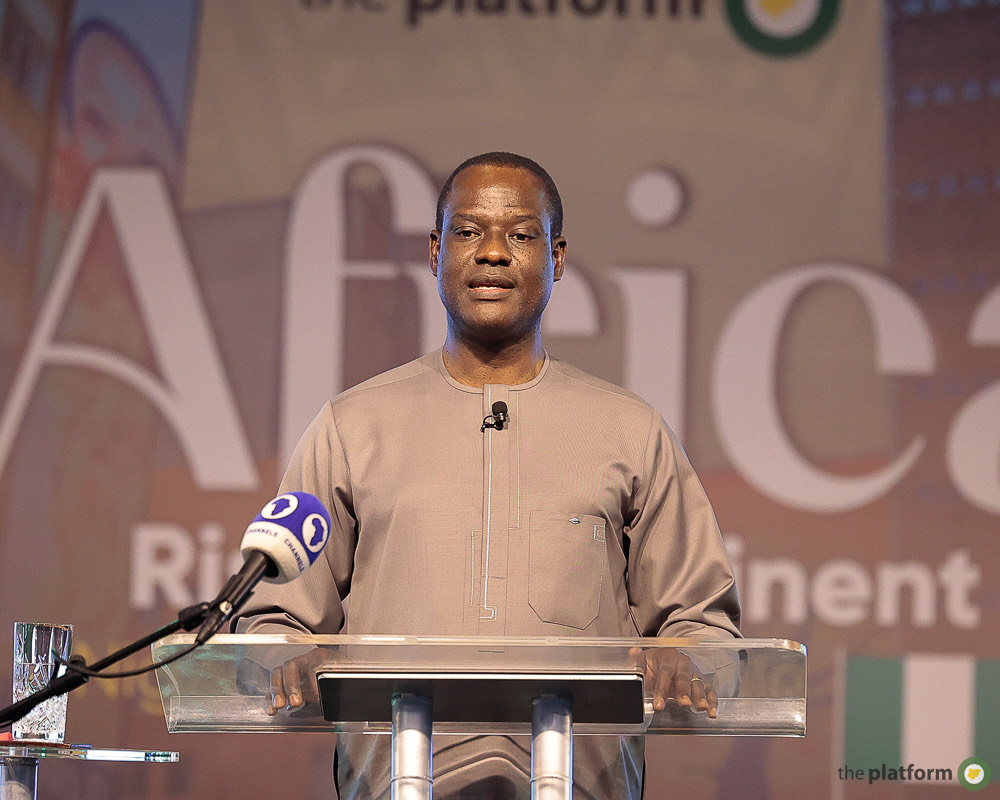
The latest inflation data was contained in a statement signed by the Statistician-General, Risenga Maluleke.
The increase comes amid renewed concerns over energy and import costs following heightened tensions between the United States and Iran, with rising inflation expectations also adding to pressure on the South African Reserve Bank’s Monetary Policy Committee.
Statistics South Africa reported that several major expenditure categories drove the increase in headline inflation.
The agency stated that transport inflation rose to 12.7 per cent, contributing 1.7 percentage points to the annual inflation rate.
Housing and utilities increased by 5.5 per cent, contributing 1.3 percentage points.
Insurance and financial services rose by 5.9 per cent, contributing 0.6 percentage points.
Goods inflation rose to 4.8 per cent from 4.4 per cent, while services inflation increased to 5.2 per cent from 4.7 per cent.
The increase in annual inflation represents a significant move away from the South African Reserve Bank’s 3 per cent target and could complicate the outlook for monetary policy.
Expectations for a rate hike have strengthened following renewed tensions between the United States and Iran, which reportedly brought traffic through the Strait of Hormuz to a virtual standstill.
The disruption lifted energy and fertiliser prices, increasing import costs.
Higher import costs could make it more difficult for inflation to return to the central bank’s 3 per cent target as quickly as previously expected.
Average inflation expectations two years ahead rose to 3.9 per cent in the second quarter from 3.6 per cent previously.
The measure is closely monitored by the Monetary Policy Committee when setting interest rates.
Governor Lesetja Kganyago has previously said that bringing inflation expectations back to the central bank’s target remains a priority for the Monetary Policy Committee.
The latest inflation data comes as Nigeria also records a marginal moderation in its headline inflation rate, which eased to 15.91 per cent in June 2026 from 15.93 per cent in May.
The Central Bank of Nigeria retained its Monetary Policy Rate at 26.5 per cent at the 306th meeting of the Monetary Policy Committee held in Abuja on July 20 and 21, 2026.
The Cash Reserve Ratio was retained at 45 per cent for commercial banks and 16 per cent for merchant banks.
The Standing Facilities Corridor remained at +50/-450 basis points around the MPR.
The CRR on non-Treasury Single Account public sector deposits was retained at 75 per cent.
While South Africa’s rising inflation is increasing expectations of tighter monetary policy, Nigeria’s CBN has maintained its benchmark interest rate as it continues to monitor inflation and broader macroeconomic developments.
Recently, South Africa reported a further deterioration in the country’s labour market, with the official unemployment rate rising to 32.7 per cent in the first quarter of 2026, up from 31.4 per cent in the fourth quarter of 2025.