

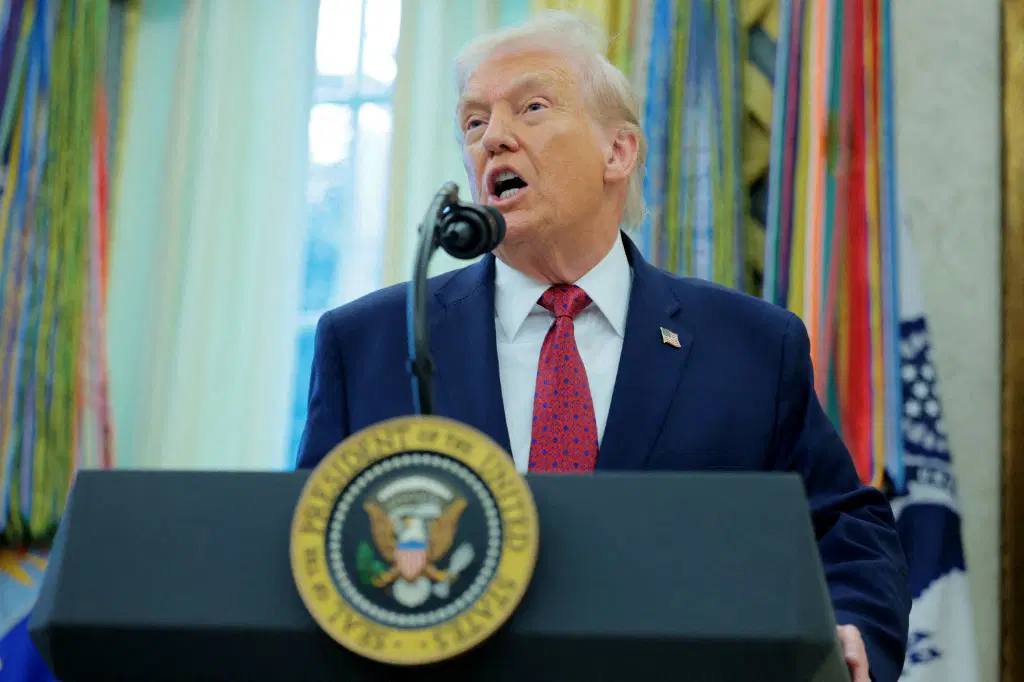





The Senate on Tuesday approved President Bola Tinubu’s borrowing plan for the 2025–2026 fiscal period in an effort to address Nigeria’s infrastructure shortfall and pension backlog
The plan features external loans totaling $21.5 billion, €2.2 billion, and 15 billion Japanese Yen, alongside a €65 million grant.
Also approved was a N757.98 billion domestic bond issuance to clear arrears under the Contributory Pension Scheme , some dating back to December 2023.
The Senate said the move aims to ease the hardship faced by thousands of retirees awaiting delayed payments.
It noted that both the borrowing plan and the bond issuance are integral to the 2025–2026 Medium-Term Expenditure Framework and Fiscal Strategy Paper, which shape the country’s fiscal outlook.
The report supporting the approval was presented by Senator Aliyu Wamakko, chairman of the Senate Committee on Local and Foreign Debts.
Wamakko confirmed that the proposed external loans are largely concessional, featuring low interest rates and extended repayment periods, aimed at supporting critical sectors without placing excessive strain on public finances.
“The initiative provides an alternative to external borrowing, reduces pressure on foreign reserves, and allows investors to earn returns on their dollar holdings while contributing to national development,” the senate committee stated.
A key highlight of the approved measures is the introduction of a new $2 billion Foreign Currency Denominated Issuance Programme in the domestic debt market.
In his message to the National Assembly, President Tinubu described the loans as crucial for stimulating growth in key sectors such as power, transport, health, education, water, and agriculture.
He underscored the urgent need to bridge Nigeria’s significant infrastructure gap, particularly in the wake of fuel subsidy removal, which has tightened government revenues and intensified pressure on citizens.
“In light of the significant infrastructure deficit in the country and the paucity of financial resources needed to address this gap amid declining domestic demand, it has become essential to pursue prudent economic borrowing to close the financial shortfall,” Tinubu stated.

