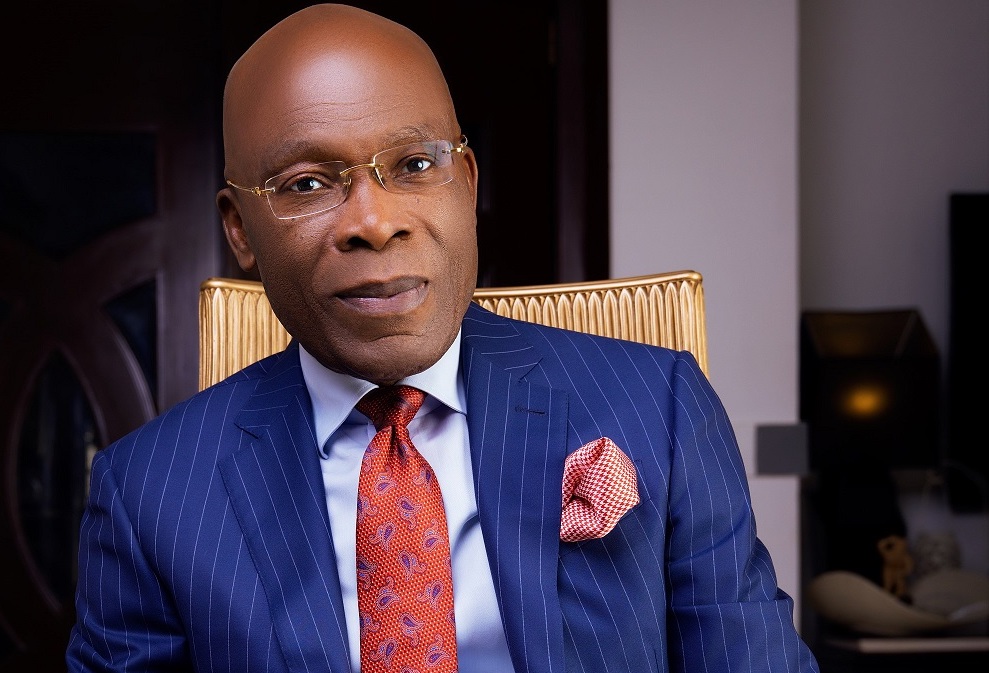




Former Central Bank Governor and Khalifa of the Tijjaniya group in Nigeria, Sanusi Lamido Sanusi, has urged banks to adopt mandatory quotas to strengthen women’s participation in the financial sector.
Speaking at the Gender Impact Investment Summit in Lagos on Thursday, Sanusi insisted that no bank should hire new employees without ensuring that at least half are women.
He further proposed that women occupy 40 per cent of senior management positions and 30 per cent of board seats.
With the summit themed “Investing in Equity: Advancing Gender-Led Solutions for Inclusive Development,” Sanusi stressed that Nigeria’s financial system cannot achieve true stability and growth while women remain sidelined from key decision-making roles.
Sanusi, who led the apex bank between 2009 and 2014, recalled introducing promotion reforms that enabled qualified women to rise more quickly into leadership roles.
“At the time, only four women had ever reached director level in 50 years of the CBN’s history. I reduced the required years as deputy director from three to one and personally reviewed female officers’ CVs. That deliberate action produced nine female directors in a single year,” he emphasized.
The former CBN governor, who in 2012 launched the “Year of Women in Banking” initiative, said the reform helped pave the way for the rise of nine female bank chief executives in Nigeria today.
He pointed to Rwanda and Liberia as examples of countries where deliberate policies have significantly advanced women’s representation in leadership, urging Nigerian banks to set a new standard for the continent.
Sanusi further called on regulators such as the CBN and the Securities and Exchange Commission to require banks to publish disaggregated data on the businesses they finance, particularly those led by women.
“Banks may not be forced to lend to women, but if they are compelled to disclose their records, the public and investors can see which banks are truly gender-friendly. Market discipline alone will push institutions to do better,” he said.
The former emir also advocated workplace inclusion measures such as wheelchair-accessible branches, extended maternity leave, and flexible work arrangements.
He cautioned, however, that cultural and institutional barriers to women’s participation remain entrenched—particularly in northern Nigeria, where women may inherit farmland but frequently lose control of it to male relatives.
“Inclusion does not mean exclusion. It means fairness,” Sanusi stressed.
The summit also saw the launch of the Gender Equity and Social Inclusion Roadmap 2025–2035 by the Impact Investors Foundation in collaboration with PwC Nigeria. The roadmap sets ambitious targets, including mobilising $8 billion in inclusive capital, developing 40 new gender-focused financial products, and driving 20 policy reforms by 2035.
IIF Chief Executive Officer, Etemore Glover, described the roadmap as a “blueprint for a significant shift in Nigeria’s economy.”