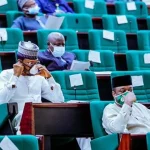


The Speaker of the House of Representatives, Tajudeen Abbas, has advocated for the provision of stronger legal protection and improved welfare incentives for the elderly population in Nigeria.
Speaking through the Chief Whip of the House, Usman Kumo, he called upon the Federal Government to adopt global best practices in the care of senior citizens.
The Speaker’s call was made on Wednesday in Abuja during a public hearing concerning a bill that aims to establish legally enforceable rights for older persons. He characterized the proposed legislation as a crucial step towards affording respect and due recognition to elderly citizens, who he noted had dedicated their productive years to the development of the nation.
Abbas praised the sponsor of the bill, Kafilat Ogbara (APC, Lagos), commenting that her initiative would “serve as a fallback for our elders who have paid their dues when they were young.”
He stressed the need for Nigeria to benchmark international standards in this area, stating, “As a nation, we cannot operate in isolation. We must borrow from well-meaning, developed countries on how they treat their citizens, particularly the older ones. This bill seeks to provide privileges, protections and a legislative framework that will safeguard our elderly population.”
The Speaker urged all participants at the hearing to contribute meaningfully to the discussions, which would assist the Committee in preparing a comprehensive report for subsequent legislative action.
Although Nigeria’s population of older persons continues to increase, the country currently lacks a coherent national framework for their protection. Existing policies are often fragmented, underfunded, or inadequately enforced.
In the absence of a functional social security system, most elderly Nigerians are reliant on family support, charitable donations, or informal community networks. Many seniors grapple with significant challenges, including poverty, inadequate healthcare, and instances of abuse and neglect.
Advocates attribute the persistence of these issues to the lack of a binding legal structure that guarantees their rights or clearly defines government obligations.
Earlier in the proceedings, Kafilat Ogbara, who chairs the House Committee on Women Affairs and Social Development, explained that the bill is designed to address the unique health, economic, and social challenges faced by older persons throughout the country. She emphasized that the proposed law fulfills a moral responsibility to “give back” to senior citizens who made sacrifices for national progress.
Ogbara affirmed the bill’s purpose, stating, “This bill is designed to provide essential rights for older persons. It is our collective responsibility to ensure they receive the dignity, respect and support they deserve.”
The Lagos lawmaker detailed that the legislation aims to guarantee access to healthcare, financial security, and the protection of social and civic rights, while simultaneously ensuring that older persons remain active and valued members of society.
Calling for input from stakeholders, which included advocates, healthcare professionals, and community leaders, Ogbara stressed that the quality of contributions would be vital in shaping a comprehensive and effective legal framework. She added a poignant reflection on societal values: “The measure of a society is how it treats its most vulnerable population. What we are doing today is for ourselves, because every one of us will grow old.”