


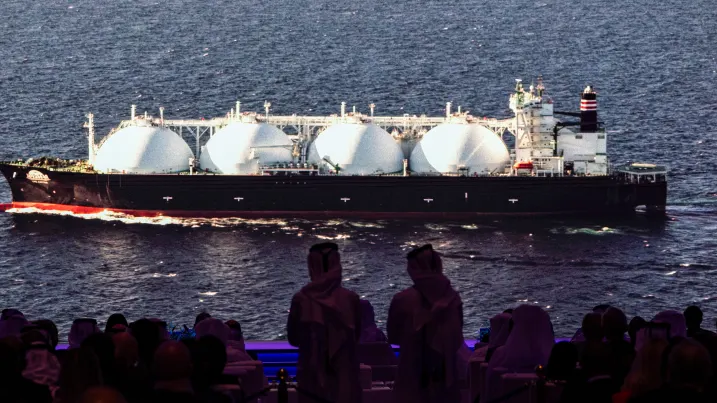
Analysts at Morgan Stanley have cautioned that a production pause in Qatar, a leading exporter of liquefied natural gas, could erase most of the expected global LNG supply surplus for 2026, amid escalating tensions in West Asia disrupting energy markets.
In a note dated March 8, analysts led by Devin McDermott warned that if the shutdown extends beyond a month, it could rapidly tighten the global gas market, according to Bloomberg.
“Any extension in the Qatar LNG outage beyond one month quickly brings a deficit,” the analysts said.
The disruption is unfolding as the widening conflict in West Asia involving the United States, Israel and Iran has already pushed global oil and gas prices sharply higher, unsettling financial markets and fueling fears of a renewed inflation shock worldwide.
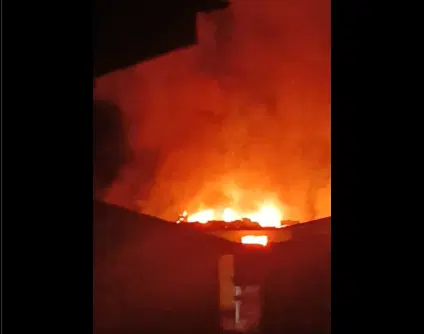
The outage has hit facilities in Ras Laffan Industrial City, which hosts the world’s largest LNG export complex.
Last week’s unprecedented shutdown sent global LNG prices surging, nearly doubling within days.
Prior to the recent geopolitical escalation, Morgan Stanley had forecast that the global LNG market, totaling around 420 million tons, would see a surplus of up to 6 million tons in 2026, driven by increased output from new projects in the US and other regions.
However, Morgan Stanley warned that the extended outage in Qatar could swiftly eliminate that surplus. Without a clear timeline for restarting production, LNG prices could spike to $30 per million British thermal units or higher.
The global LNG market is highly concentrated, with the US, Qatar, and Australia supplying over 60 per cent of global LNG last year. This means that disruptions in any of these key producers can quickly tighten supply and drive prices higher.
Morgan Stanley has also pushed back its forecast for the first shipments from Qatar’s major North Field expansion project, now expecting them in the first quarter of 2027, effectively removing about 1 million tons from the 2026 supply outlook.