


The Federal Government has reported an improvement in electricity generation, rising from 3,951 megawatts on March 28 to 4,300MW as of April 10.
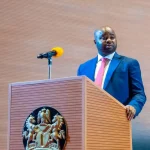
This was disclosed in a statement issued in Abuja by Mr Bolaji Tunji, Special Adviser to the Minister of Power on Strategic Communications and Media Relations.
According to Tunji, the gradual increase in output within the period aligns with assurances earlier given by the Minister of Power, Mr Adebayo Adelabu, during the Power Sector Working Group meeting, where he promised noticeable improvement in electricity supply within two weeks. He attributed the growth largely to better gas supply to thermal power plants, which increased from about 605 million standard cubic feet per day (mmscfd) to over 704mmscfd over the same period.
Tunji also noted that mechanical availability remained steady and even improved, reaching a peak of over 7,796MW in early April. Operational availability also rose from about 4,208MW to more than 4,694MW at its highest point, reflecting improved efficiency in converting available gas into actual electricity generation. He explained that despite occasional minor fluctuations, the overall trend indicates a gradual recovery in the power sector, driven mainly by improved gas supply and stronger coordination among key stakeholders.
“In spite of minor fluctuations recorded on some days, the overall trajectory points to a gradual recovery in the power sector, driven largely by improved gas supply and better coordination among critical stakeholders,” he said.
Tunji stressed that the link between gas availability and power generation highlights the need for sustained efforts in the gas-to-power value chain, especially given Nigeria’s dependence on thermal plants for electricity generation. To sustain the progress achieved, he said the Minister of Power has inaugurated a Gas-to-Power Monitoring Committee to enhance coordination, ensure real-time monitoring, and maintain steady gas supply to generating companies.
“The committee is expected to address bottlenecks in gas delivery, enhance synergy between gas producers and power generation companies, and ultimately guarantee a more stable and reliable electricity supply across the country,” he said.
“The minister remains committed to ensuring that the modest gains recorded are not only sustained but significantly improved upon in the coming weeks,” he said.
He further assured Nigerians that ongoing reforms and targeted interventions in the sector would continue to deliver measurable improvements in electricity generation and supply, in line with government efforts to stabilise the national power sector.
“We are not there yet, but we will continue to ensure measurable improvements,” he said.
Tunji also revealed that the minister has directed the new leadership of the Nigeria Electricity Management Services Agency to strengthen its internally generated revenue and reduce reliance on government funding for operational expenses. This was conveyed during a recent meeting between the minister and the newly appointed Managing Director of NEMSA, Mr Olusegun Adesayo, alongside the agency’s board chairman, Ikechi Nwosu, who visited the ministry.
Adelabu expressed confidence in the new leadership, urging them to justify the confidence reposed in them by the president.
“I have no doubt about your ability, and I can also say that with your appointment by the president, you will do well. The president knows what he is doing by appointing you, and any appointee of the president will have my full cooperation,” he said.
He also stressed the need for improved manpower in the sector, particularly in meter installation, reiterating the importance of collaboration between the National Power Training Institute of Nigeria and NEMSA to address the shortage.
“We need to ensure more installers are trained in order to accelerate the government’s plan to bridge the metre gap in the country,” he said.
On metering infrastructure, the minister proposed the establishment of additional meter testing centres across all geopolitical zones to improve efficiency and coverage. He further instructed the new NEMSA leadership to conduct a thorough assessment of the agency to identify challenges and develop effective solutions.
In his remarks, the new Managing Director informed the minister that he had begun engagement visits to relevant agencies to secure their cooperation and support. He also sought additional backing from the ministry to enable the agency to effectively discharge its responsibilities.