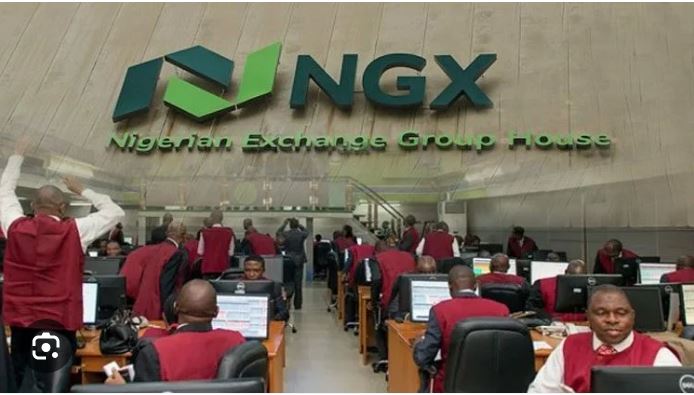

The largest shareholders of nine major companies listed on the Nigerian Exchange are estimated to have earned a combined ₦709.68 billion in interim dividends for the first half of 2026.
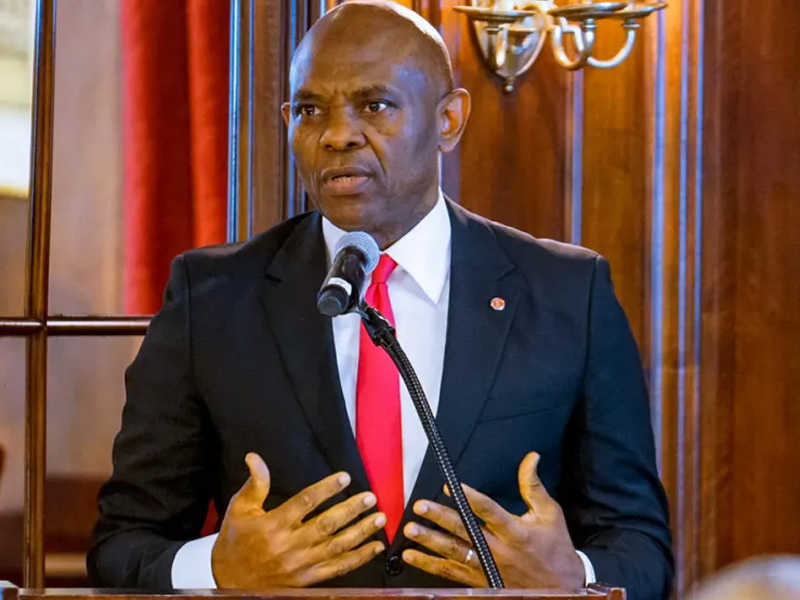
The beneficiaries include foreign multinational corporations, family-owned businesses and some of Nigeria’s prominent businessmen, among them Zenith Bank founder Jim Ovia, Heirs Holdings chairman Tony Elumelu and Custodian Investment founder Wole Oshin.
Nairametrics reported that a large share of the interim dividends declared by these companies went to their biggest shareholders, which reflects the concentrated ownership of some of Nigeria’s largest listed businesses.
Foreign corporate shareholders dominated the ranking. MTN Group, Huaxin Building Materials Group and Standard Bank Group together accounted for about ₦665.62 billion, or 93.8 per cent of the combined dividend entitlements of the nine shareholders.
The figures also show how large equity holdings in profitable companies can give investors recurring income without the need to sell their shares.
The analysis covers nine selected NMX100 companies, defined as companies with annual turnover of ₦100 billion or more, whose interim dividends were identified as relating to the first half of 2026.
Dividend earnings were estimated by multiplying disclosed shareholdings by the interim dividend per share before withholding tax.
Where shares are held through corporate entities, the analysis names the associated business owners or controlling groups, without necessarily attributing the entire dividend earnings to them personally.
The nine shareholders are ranked below in ascending order of their estimated interim dividend earnings.
9. Wole Oshin (Custodian Investment) – ₦434.26 million
Oshin, founder of Custodian Investment Plc, is estimated to have earned ₦434.26 million from the financial services group’s interim dividend of 25 kobo per share.
The dividend amounted to a total distribution of ₦1.47 billion.
According to the company’s shareholding disclosure as of September 30, 2026, Oshin holds 1.50 billion shares indirectly through Gratitude Capital Limited.
He also holds another 238.67 million shares through other disclosed direct and indirect interests.
This brings his combined shareholding to 1.74 billion units, representing about 29.53 per cent of the company’s issued shares, which makes him its largest identifiable beneficial shareholder.
8. Rasheed Sarumi-linked SIAT (Presco) – ₦7.14 billion
SIAT SA, the controlling shareholder of palm oil producer Presco Plc, is estimated to have earned ₦7.14 billion from the company’s interim dividend of ₦10 per share.
Presco’s total dividend distribution came to about ₦11.67 billion.
SIAT holds about 714.06 million shares in Presco, representing a 61.20 per cent stake.
The investment is linked to Nigerian businessman Rasheed Sarumi, founder of Saroafrica, through an ownership structure involving Oak & Saffron Limited and SIAT.
The dividend, however, goes to the corporate shareholder rather than to Sarumi personally.
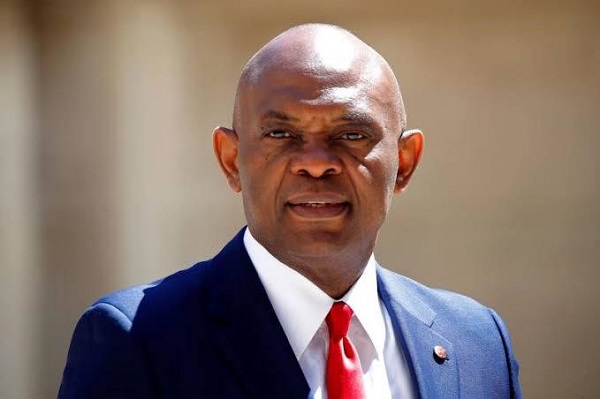
7. Tony Elumelu-linked Heirs Group (Seplat Energy) – ₦8.19 billion
The Heirs Group, associated with billionaire businessman Tony Elumelu, is estimated to have earned ₦8.19 billion from its investment in Seplat Energy, based on an interim dividend equivalent of ₦68.03 per share.
As of the August qualification date, the group holds about 120.40 million shares, representing a 20.07 per cent stake in the indigenous oil and gas producer.
That makes it the company’s largest identifiable beneficial shareholder.
Seplat’s estimated total dividend distribution is ₦40.81 billion, so the investment gives the Elumelu-linked group significant dividend income in addition to potential capital appreciation.
6. Jim Ovia (Zenith Bank) – ₦8.70 billion
Zenith Bank founder and chairman Jim Ovia is estimated to have earned ₦8.70 billion from the bank’s first-half 2026 interim dividend of ₦1.50 per share.
The dividend amounted to a total distribution of about ₦61.60 billion.
Ovia holds about 5.80 billion shares through his disclosed direct and indirect interests, representing a 14.13 per cent stake in Zenith Bank.
Although his percentage stake is smaller than those of several controlling shareholders on the list, the size of Zenith Bank’s dividend places him among the biggest individual beneficiaries.
5. Unilever Group (Unilever Nigeria) – ₦8.73 billion
Unilever Overseas Holdings BV, the controlling shareholder of Unilever Nigeria Plc, is estimated to have earned ₦8.73 billion from the consumer goods company’s interim dividend of ₦2 per share.
The total distribution was about ₦11.49 billion.
The multinational group holds about 4.36 billion shares in its Nigerian subsidiary, representing a 75.96 per cent stake.
As a result, more than three-quarters of the company’s dividend distribution goes to its controlling shareholder.
4. Vaswani family-linked Tolaram (Guinness Nigeria) – ₦10.86 billion
N-Seven Nigeria Limited, the investment vehicle through which Singapore-headquartered Tolaram Group controls Guinness Nigeria Plc, is estimated to have earned ₦10.86 billion from the brewer’s interim dividend of ₦7 per share.
Based on Guinness Nigeria’s June 2026 shareholding disclosure, N-Seven held about 1.55 billion shares, representing a 70.86 per cent stake.
That stake accounts for more than 70 per cent of the brewer’s estimated ₦15.33 billion dividend distribution.
Tolaram, an international conglomerate founded by the Vaswani family, expanded its presence in Nigeria’s consumer goods industry by acquiring a controlling interest in Guinness Nigeria.
The dividend represents a return on the conglomerate’s investment in the Nigerian brewing industry.
3. Standard Bank Group (Stanbic IBTC Holdings) – ₦48.99 billion
South Africa’s Standard Bank Group, through Stanbic Africa Holdings Limited, is estimated to have earned ₦48.99 billion from Stanbic IBTC Holdings Plc’s interim dividend of ₦4.50 per share.
Stanbic Africa Holdings owns about 10.89 billion shares, representing a 68.46 per cent stake in the Nigerian financial services group.
Its controlling interest entitles it to more than two-thirds of Stanbic IBTC’s estimated total dividend distribution of ₦71.56 billion, making it the third-largest beneficiary in the analysis.
2. Huaxin Group (HBM Nigeria) – ₦216.01 billion
China’s Huaxin Building Materials Group is estimated to have earned ₦216.01 billion from HBM Nigeria Plc’s interim dividend of ₦16 per share, through its subsidiaries Caricement BV and Davis Peak Holdings Limited.
Caricement BV holds about 9.03 billion shares, representing a 56.04 per cent stake.
Davis Peak Holdings owns about 4.47 billion shares, representing a 27.77 per cent stake.
Together, the two subsidiaries hold about 13.50 billion shares, representing an 83.81 per cent stake in the cement manufacturer, formerly known as Lafarge Africa Plc.
Huaxin acquired its controlling interest in the company after Holcim Group divested in 2025.
Of HBM Nigeria’s estimated ₦257.72 billion interim dividend distribution, about ₦144.44 billion goes to Caricement BV and another ₦71.57 billion to Davis Peak Holdings.
Huaxin’s combined estimated dividend entitlement is more than the combined earnings of the seven shareholders ranked below it, which shows the scale of returns from its investment in Nigeria’s cement industry.
1. MTN Group (MTN Nigeria) – ₦400.62 billion
South African telecommunications giant MTN Group tops the ranking through MTN International (Mauritius) Limited, its investment vehicle in MTN Nigeria Communications Plc, with estimated interim dividend earnings of ₦400.62 billion.
MTN International holds about 15.41 billion shares, representing a 73.39 per cent stake in the Nigerian telecommunications company.
Based on an interim dividend of ₦26 per share, its controlling stake accounts for a large share of MTN Nigeria’s estimated total dividend distribution of ₦545.88 billion.
MTN International’s estimated dividend earnings represent about 56.4 per cent of the combined entitlements of the nine shareholders covered in the analysis.
They also exceed the combined earnings of the other eight shareholders.