

The Organised Private Sector of Nigeria has raised concerns over the recent announcement by the Director-General of the National Pension Commission on a proposed increase in mandatory pension contributions, including the introduction of an additional annual contribution equivalent to three per cent of employers’ total wage bills.
The OPSN comprises the Manufacturers Association of Nigeria, the National Association of Chambers of Commerce, Industry, Mines and Agriculture, the Nigeria Employers’ Consultative Association, the Nigerian Association of Small and Medium Enterprises, the Nigerian Association of Small Scale Industrialists, and 25 sectoral employers’ associations.
In a statement issued on Thursday and jointly signed by MAN, NACCIMA, NECA, NASME and NASSI, the OPSN described the proposed increase as premature and counterproductive.
While acknowledging that the proposal may be intended to improve retirement benefits, the OPSN warned that, given the prevailing economic conditions, it could become a “Greek gift” to Nigerian workers — an apparently beneficial policy that ultimately threatens employment, wage growth and business sustainability while increasing compliance risks.
The OPSN maintained that the sustainability of any contributory pension system depends fundamentally on the survival of businesses, the availability of decent jobs, and the ability of employers and employees to make regular contributions.
“Under the Pension Reform Act 2014, Nigeria’s minimum pension contribution already stands at 18 per cent of an employee’s monthly emoluments, comprising 10 per cent from the employer and 8 per cent from the employee. This is broadly comparable with the OECD average effective mandatory pension contribution rate of 18.8 per cent at the average-wage level in 2024.
“Nigeria’s existing contribution rate therefore cannot reasonably be regarded as inadequate, based on contribution percentages alone. Any proposal for an increase must be supported by Nigeria-specific actuarial evidence demonstrating that the current rate is insufficient and that a higher rate would not undermine employment, wages, compliance and enterprise sustainability,” the statement read in part.
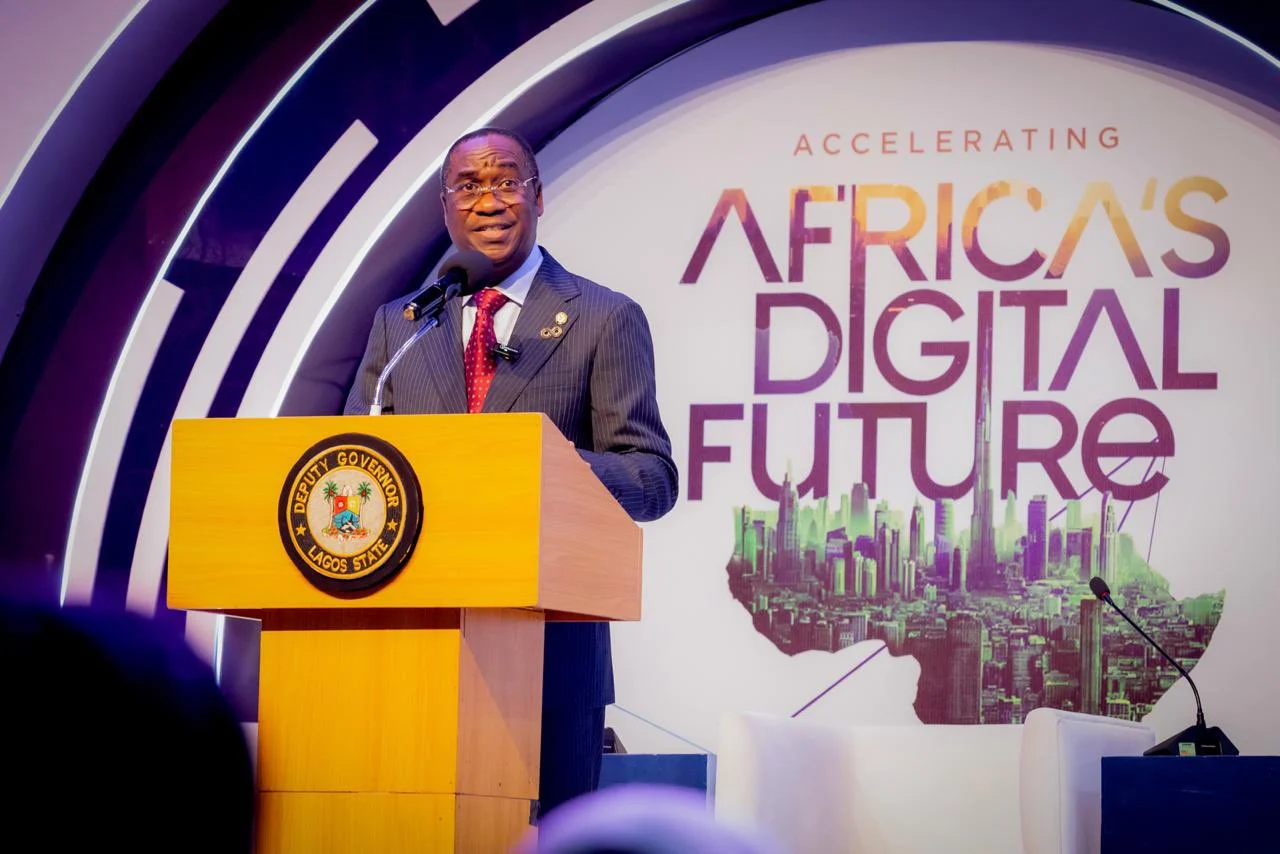
Speaking in Lagos, the Director-General of NECA, Mr Adewale-Smatt Oyerinde, described the proposed increase as premature and counterproductive.
“The OPSN supports efforts aimed at strengthening Nigeria’s pension system and improving retirement outcomes for workers. However, announcing that contribution rates will increase while consultations are still ongoing risks prejudging the outcome of the process and reducing subsequent stakeholder engagements to a mere formality,” Oyerinde said.
He stressed that previous adjustments to pension contribution rates were preceded by extensive consultations among the government, employers, organised labour and other relevant stakeholders.
“Any proposed adjustment must be supported by credible actuarial, economic and employment-impact assessments. It must also emerge from genuine and transparent social dialogue. Retirement security should not be pursued in a manner that threatens the businesses and jobs upon which the pension system itself depends,” he noted.
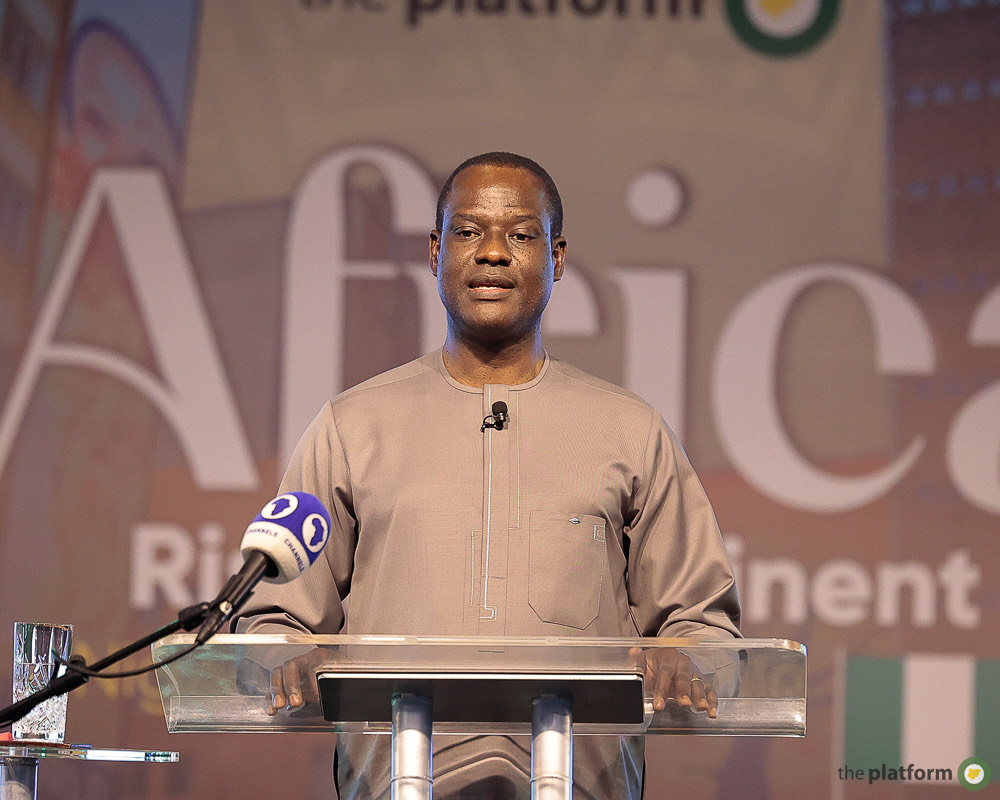
Speaking on the broader macroeconomic implications, the Director-General of MAN, Mr Segun Ajayi-Kadir, warned that the proposed increase could undermine the viability of businesses and negatively affect workers’ earnings.
“Businesses are already contending with high energy costs, elevated interest rates, exchange rate volatility, multiple regulatory obligations, weak consumer demand and rising production expenses. Imposing an additional statutory payroll cost without a comprehensive impact assessment will place further pressure on already struggling enterprises,” Ajayi-Kadir said.
He explained that rising employment costs could force businesses to slow recruitment, delay wage reviews, reduce their workforce, increase outsourcing, put expansion plans on hold or pass the additional costs on to consumers through higher prices.
“The proposed increase may directly raise the existing employee contribution, but its wider consequences could still be borne by workers through weaker wage growth, reduced employment opportunities, job losses and higher prices of goods and services,” he added.
The DG of NACCIMA, Mr Sola Obadimu, said the proposed measure was at odds with broader fiscal policies, warning that imposing additional financial burdens could further strain the already challenging business environment.
According to him, businesses are still struggling to recover from prolonged economic pressures, while the Federal Government is implementing reforms aimed at improving competitiveness. He warned that imposing another statutory financial obligation on employers could undermine the benefits of these reforms.
He maintained that government policies must be properly coordinated and assessed based on their cumulative impact on businesses.
Meanwhile, the OPSN urged the Federal Government and PenCom to move away from policies that could further erode purchasing power and instead prioritise macroeconomic stability, enterprise sustainability and job preservation.
It called on the government to focus on curbing inflation, protecting workers’ immediate disposable income and promoting business sustainability as a means of creating decent jobs and improving welfare.
“A detailed assessment should be conducted to determine the likely effects of the proposal on employment costs, wage growth, recruitment, job security, investment, production costs, inflation, business formalisation and MSME sustainability. While the private sector is not entirely opposed to future adjustments, any increase must be the product of constructive, transparent social dialogue among all critical stakeholders and delayed until broader economic stability is achieved.
“No adjustment should be introduced without adequate consideration of its impact on existing jobs, future recruitment, inflation and the capacity of businesses to remain competitive and sustainable,” the OPSN added.
The OPSN reiterated that it was not opposed to reforms aimed at improving retirement security for Nigerian workers. However, it stressed that sustainable pension reform must strike a balance between enhancing future retirement benefits and addressing the current realities facing workers, employers and the broader economy.